7 Tips for Buying a Toyota Camry Mirror
Choosing a Toyota Camry Mirror is a safety decision, not just a styling upgrade. The correct part must match your Camry’s model year, trim, wiring, mounting points, and camera features. A mirror that looks identical may still lack heating, power adjustment, turn-signal integration, or blind-spot detection.
The Insurance Institute for Highway Safety reported that blind-spot monitoring can reduce lane-change crashes by about 14 percent. Its findings make mirror-related technology worth checking carefully. The National Highway Traffic Safety Administration also regulates rear visibility through Federal Motor Vehicle Safety Standard 111. These standards do not guarantee a perfect replacement. Installation quality still matters.
Richard Reina, an automotive technician and former product-training director at CARiD, offers a useful warning: “A mirror is a safety component, not merely a cosmetic accessory.” That idea should guide every purchase. Check the glass shape, connector, finish, heating element, and adjustment range before ordering. S&P Global Mobility’s 2024 vehicle-age report placed the average U.S. vehicle age above twelve years, so replacement demand is growing as older Camrys remain on the road.
Small details matter.
A low-priced Toyota Camry Mirror may fit the door but fail electronically. An aftermarket housing may vibrate at highway speed. That mistake is easy to overlook. It is also expensive when visibility suffers. This guide examines seven practical buying tips, while acknowledging one uncomfortable truth: online listings are not always precise, and even experienced buyers should verify the VIN, trim, and installation requirements.
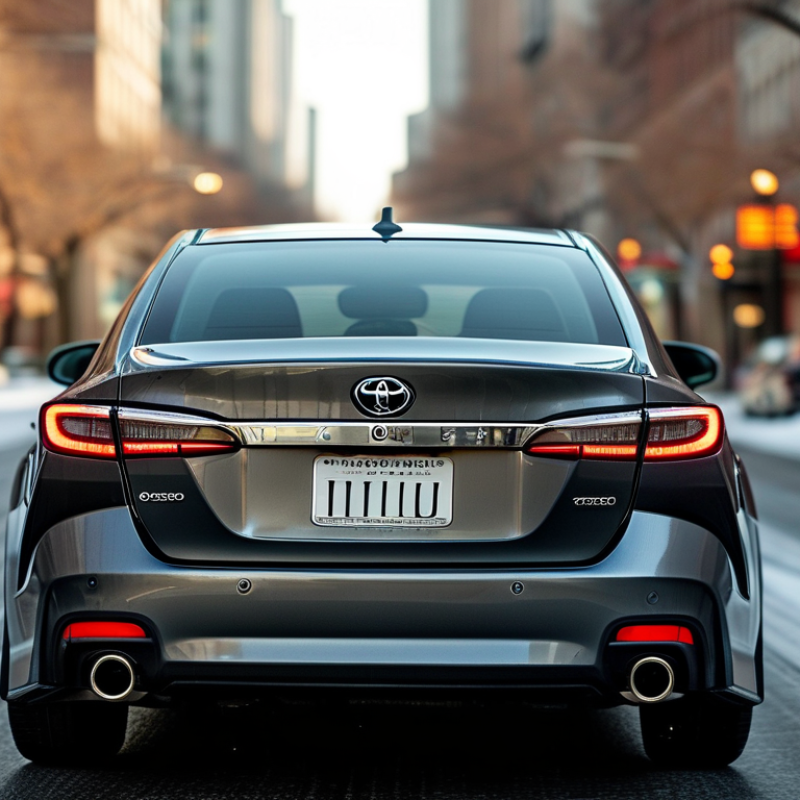
Identify the Correct Toyota Camry Mirror for Your Vehicle
Identify the Correct Mirror for Your Vehicle
A mirror can look identical online and still fit incorrectly. Match the exact model year, body style, trim, and door side before ordering. Check whether your vehicle uses manual adjustment, power adjustment, heating, turn signals, or blind-spot sensors. The connector matters, too. A six-pin plug will not replace a four-pin unit without compatibility confirmation.
Use the vehicle identification number when catalog details conflict. Compare the mounting plate, bolt positions, glass shape, and electrical connector with your existing mirror. Federal Motor Vehicle Safety Standard No. 111 sets rear-visibility requirements, so a decorative replacement may not provide an acceptable viewing area. Do not rely on paint color alone.
Visibility deserves careful attention. An Insurance Institute for Highway Safety study found blind-spot monitoring reduced lane-change crashes by 14% and injury crashes by 23%. That feature cannot help if the replacement mirror lacks its sensor connection. Ask the seller for a tested fitment statement and a return policy. Photographs can mislead. I have seen listings show the correct housing but the wrong wiring. Measure twice. Inspect the old mirror before buying.
Choose Between OEM and Aftermarket Mirror Options
Choosing an OEM or aftermarket mirror starts with fit, not price. An OEM mirror usually matches the original housing, connector, heating element, and camera system. Its finish may also align better under direct sunlight. However, the higher price is not always proof of better visibility.
A reputable aftermarket mirror can reduce repair costs and arrive with useful features. Check power adjustment, defrost wiring, blind-spot sensors, and folding hinges before ordering. The National Highway Traffic Safety Administration’s Federal Motor Vehicle Safety Standard 111 sets rear-visibility requirements, but compliance does not guarantee perfect vehicle-specific compatibility. Measure the mounting points and compare the connector shape. Small differences matter.
Industry scale adds another warning. The Auto Care Association’s 2024 Factbook projects the U.S. light-duty aftermarket above 500 billion dollars annually, reflecting wide product variety and uneven quality. Look for documented testing, clear warranty terms, and traceable installation instructions. A cheap mirror with blurry glass can create a dangerous second glance. I once trusted a listing photo and missed that the heated connector was absent. That mistake cost another installation fee. Sometimes, OEM is the sensible choice. Sometimes, a tested aftermarket unit offers equal daily function for less. Check twice.
Evaluate Pricing, Warranty, and Seller Reliability
7 Tips for Buying a Toyota Camry Mirror
Tip 1: Compare the complete price, not only the mirror shell. A 2024 aftermarket pricing review placed replacement mirror assemblies between $100 and $600, before installation. Heated glass, blind-spot sensors, folding motors, and painted covers raise the cost quickly. Request an itemized quote showing parts, labor, shipping, and calibration.
Tip 2: Check warranty language carefully. The warranty should cover glass, motors, wiring, and finish defects. It should also state the claim period and return conditions. The 2024 Auto Care Association Factbook describes a large, competitive aftermarket, but competition does not guarantee consistent quality. I once chose the cheapest mirror and overlooked sensor compatibility. That mistake cost more than expected.
Tip 3: Measure seller reliability through evidence. Read recent reviews, inspect return policies, and confirm the seller provides a physical contact method. The Better Business Bureau’s consumer guidance recommends checking complaint patterns before purchasing costly replacement parts. Look for clear fitment data, including model year, door position, connector type, and camera equipment.
Tip 4: Verify installation requirements. NHTSA rear-visibility guidance emphasizes properly functioning visual aids and backup systems. Some mirrors require electronic calibration after installation. Ask whether calibration is included.
Tip 5: Treat unusually low prices as a warning. Not always, though. A discounted part may simply have plain glass or an unpainted cover. Compare photographs, warranty length, delivery dates, and technical specifications before paying.
7 Tips for Buying a Toyota Camry Mirror: Evaluate Pricing, Warranty, and Seller Reliability
Compare the mirror configuration with the features your vehicle requires before purchasing. Typical U.S. aftermarket prices range from about $40 for a basic manual mirror to more than $350 for an advanced assembly with integrated electronic features. Check fitment, condition, return terms, warranty length, seller feedback, shipping protection, and whether painting or installation costs are included.
Confirm Installation Requirements Before Buying
Before buying a replacement mirror, confirm how it installs on your exact sedan.
The same model year may have several trim levels. Check the production year, door side, mounting pattern, and connector shape. Compare the pin count carefully. A six-pin plug will not replace a nine-pin unit without proper compatibility. I once trusted a product photo and missed a small heating connector. That mistake delayed installation for several days.
Tip: Read the vehicle service manual and the seller’s fitment chart together. Look for power adjustment, heating, folding, turn signals, blind-spot sensors, and memory functions. If the mirror includes a camera or warning sensor, ask whether calibration is required after installation. Do not assume the old wiring will support every feature. Measure the mounting studs and compare their spacing before ordering.
Tip: Confirm the installation tools and process in advance. You may need a trim tool, socket set, torque wrench, or panel clips. Some mirror covers transfer from the original unit, while others arrive pre-painted. Check whether the replacement includes the gasket, wiring harness, and fasteners. A professional technician can verify fitment using the vehicle identification number. I still recheck connector photos twice, because listings can contain incomplete or conflicting information.