What are the Benefits of Using Film Capacitors in Electronics?
Film Capacitors play a crucial role in the electronics industry. They are known for their reliability and efficiency. These components store electrical energy and have various applications. Many engineers appreciate their stability in circuits.
One key benefit of film capacitors is their low equivalent series resistance (ESR). This feature minimizes energy loss, which is vital for high-performance applications. Designers often choose film capacitors for their long lifespan, making them a preferable choice over other types. Additionally, their ability to withstand higher voltage levels adds to their appeal.
While film capacitors are excellent, they are not without limitations. They can be bulkier compared to other capacitors. Moreover, their cost might deter some manufacturers. However, the benefits often outweigh these drawbacks, making them a staple in modern electronics. Understanding these aspects can guide engineers in selecting the right components for their projects.
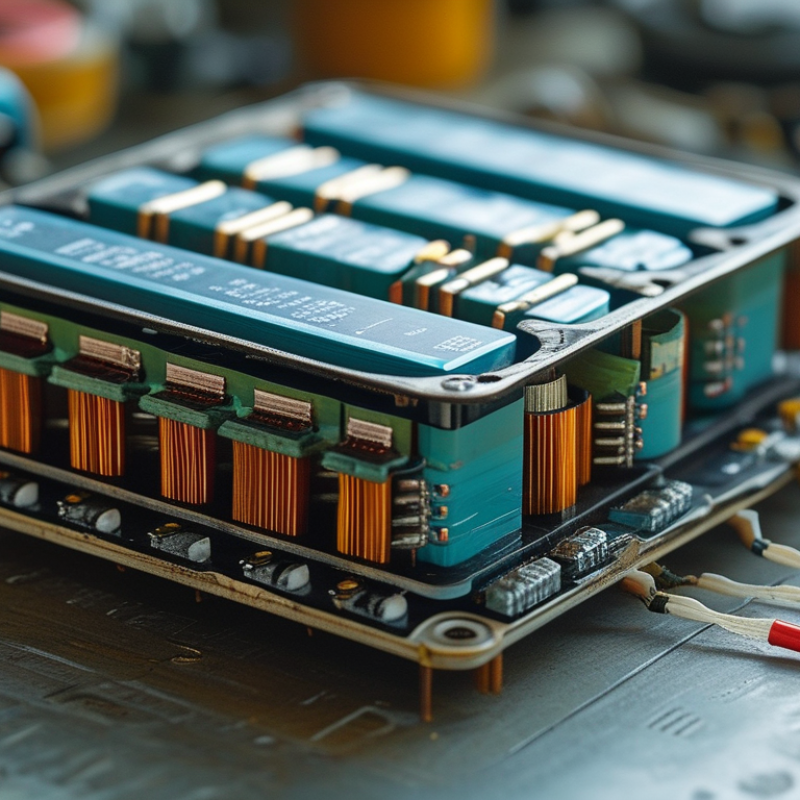
Benefits of Film Capacitors in Electronics: An Overview of Their Advantages
Film capacitors have gained popularity in electronics due to their numerous advantages. They offer high stability and low loss, making them ideal for critical applications. The dielectric material used in film capacitors ensures minimal degradation over time. This leads to reliable performance across various temperature ranges. Importantly, they maintain their capacitance even under challenging conditions.
Another significant benefit is their superior electrical characteristics. Film capacitors exhibit lower equivalent series resistance (ESR), which enhances efficiency in power applications. They also provide excellent frequency response, suitable for high-speed circuits. This responsiveness is crucial in modern electronic devices. Their construction allows for a wide range of capacitance values, catering to diverse applications.
While film capacitors are advantageous, they also come with some limitations. They can be bulkier compared to ceramic capacitors. This could pose challenges in space-constrained designs. Additionally, their cost may be higher than alternative options. Designers must weigh these factors carefully. Overall, understanding the trade-offs is vital for making informed choices regarding capacitor selection.
High Capacitance Stability Across Temperature and Voltage Variations
Film capacitors are widely appreciated for their remarkable capacitance stability, especially under varying temperature and voltage conditions. This stability is essential for ensuring the reliable performance of electronic devices. Unlike other capacitor types, film capacitors maintain their capacitance values effectively, even when exposed to extreme temperature variations. This means they can function reliably in both hot and cold environments.
In demanding applications, such as power supplies and audio equipment, the effect of temperature and voltage on capacitor performance is critical. Film capacitors do not suffer from capacitance drift like electrolytic capacitors. As a result, they provide a consistent performance that engineers can trust, thereby reducing the risk of failure in sensitive circuits.
Tip: When selecting capacitors for your project, consider temperature ranges and voltage spikes. Look for film capacitors with high stability ratings for improved performance.
Another advantage of film capacitors is their low equivalent series resistance (ESR). This characteristic allows them to handle rapid charge and discharge cycles efficiently. However, users may overlook the importance of ESR in real-world applications. Understanding this property is crucial for optimizing circuit designs.
Tip: Test different capacitor types in your specific application. Experience with these components leads to better design decisions.
Benefits of Using Film Capacitors in Electronics
| Benefit | Description | Typical Application |
| High Capacitance Stability | Film capacitors maintain their capacitance over varying temperatures and voltages, ensuring reliable performance. | Power Supplies |
| Low Self-Heating | They generate less heat during operation compared to other types of capacitors, benefiting thermal management. | Audio Equipment |
| High Voltage Tolerance | Film capacitors can withstand high voltage surges without failing, providing greater reliability in critical applications. | Industrial Machinery |
| Excellent Insulation Resistance | They offer high insulation resistance, preventing unwanted leakage currents and enhancing circuit safety. | Telecommunication Devices |
| Low ESR (Equivalent Series Resistance) | Film capacitors exhibit low ESR, improving performance in high-frequency applications. | RF Applications |
Low Equivalent Series Resistance (ESR) Leading to Improved Efficiency
Film capacitors are increasingly popular in electronic applications due to their low equivalent series resistance (ESR). This feature significantly enhances the efficiency of circuits. When the ESR is low, energy loss during operation reduces, allowing devices to run more efficiently. According to a report by the International Journal of Electronics, using film capacitors can improve the power factor by up to 30% compared to traditional capacitors.
In high-frequency applications, low ESR proves to be crucial. It minimizes power dissipation and heat generation. This is especially relevant for power supplies and audio equipment where performance is critical. Research from the IEEE shows that film capacitors can exhibit an ESR as low as 0.01 ohms, showcasing their superior capability over electrolytic and ceramic options. These numbers underline the growing preference for film capacitors when designing efficient and reliable electronic systems.
Choosing the right capacitor is essential. Film capacitors offer reliability but may come with higher production costs. Therefore, engineers must weigh the benefits against budget constraints. It's vital to address these trade-offs thoughtfully. While the advantages are clear, the decision requires careful consideration of specific application needs and end-user expectations. Balancing cost and performance remains a significant challenge in capacitor selection.
Enhanced Reliability and Lifespan Compared to Other Capacitor Types
Film capacitors are becoming increasingly popular in electronic applications due to their enhanced reliability and longevity. Unlike electrolytic capacitors, film capacitors can withstand higher stress levels. They are less prone to failure during voltage surges. The construction of film capacitors allows them to handle temperature variations well. This makes them ideal for use in demanding environments. Their lifespan can often exceed 20 years in regular applications.
The absence of electrolytes in film capacitors reduces the risk of leakage. This feature enhances their reliability compared to other capacitor types. Additionally, film capacitors are known for their stable capacitance over time. Their low Equivalent Series Resistance (ESR) contributes to better performance in high-frequency applications. Users may underestimate the importance of these traits until issues arise in critical circuits.
While film capacitors generally offer numerous advantages, they may not be the best choice for every situation. They can be bulkier and more expensive than other types. Careful consideration is needed when selecting the right capacitor. Balancing cost, size, and performance is crucial for optimal results. These factors highlight the complexity of choosing the right electronic components.
Reduction of Electromagnetic Interference (EMI) in Circuit Designs
Film capacitors play a crucial role in reducing electromagnetic interference (EMI) in electronic circuit designs. These capacitors are known for their low dielectric absorption and minimal signal distortion. In a world where EMI can disrupt electronic performance, film capacitors provide a reliable solution.
According to a report by the International Electrotechnical Commission, electronic devices are often subjected to EMI levels that exceed safe operating limits. This interference can lead to malfunctions or reduced efficiency. Film capacitors, due to their construction, effectively filter out high-frequency noise, enhancing circuit reliability. A study indicates that using film capacitors can reduce EMI by up to 30%.
The effectiveness of film capacitors lies in their ability to stabilize voltage levels. This stability is paramount in applications such as audio equipment or sensitive measurement devices. However, while they have many advantages, some engineers note limitations in size and cost-effectiveness. Balancing performance with these factors can be challenging. Nonetheless, the benefits in EMI reduction often outweigh these concerns, making film capacitors a preferred choice in high-performance electronics.
Conclusion
Film capacitors offer numerous advantages that make them a preferred choice in electronics. One of their key benefits is their high capacitance stability across varying temperature and voltage conditions, ensuring consistent performance in diverse applications. Additionally, film capacitors exhibit low equivalent series resistance (ESR), which enhances efficiency by reducing energy losses during operation.
Moreover, they are known for their exceptional reliability and lifespan compared to other capacitor types, making them ideal for long-term use. Film capacitors also help in minimizing electromagnetic interference (EMI) in circuit designs, promoting better signal integrity. Finally, their cost-effectiveness over time, given their durability and stable performance, further solidifies their position as a valuable component in electronic systems.