What Is the Best Automatic Feeding Gluing Machine in 2026?
Choosing the best Automatic Feeding Gluing Machine in 2026 depends on the work it must perform, not just its advertised speed. Packaging lines vary in board thickness, sheet size, glue type, and daily output. A machine that suits one plant may struggle with another’s materials or changeover schedule.
This guide examines practical factors buyers can verify: feeding consistency, gluing accuracy, operating speed, adjustment time, and access to cleaning points. For example, a feeder that repeatedly pulls two sheets can disrupt a shift, even if its rated speed looks impressive. Small details matter. Glue viscosity, sensor placement, and the ease of clearing a blocked nozzle can affect finished cartons and downtime.
There is no single model that is best for every operation. A useful comparison should match machine specifications against real samples, production targets, and available floor space. It should also consider operator training, spare-part availability, and the supplier’s technical support. Request a demonstration using your own materials when possible, and confirm how performance figures were measured. Published claims do not always reflect a busy production floor. The right choice is the machine that delivers reliable results for your specific workload, with manageable maintenance and a clear path to support. Even then, the final decision may involve trade-offs.
What Is an Automatic Feeding Gluing Machine?
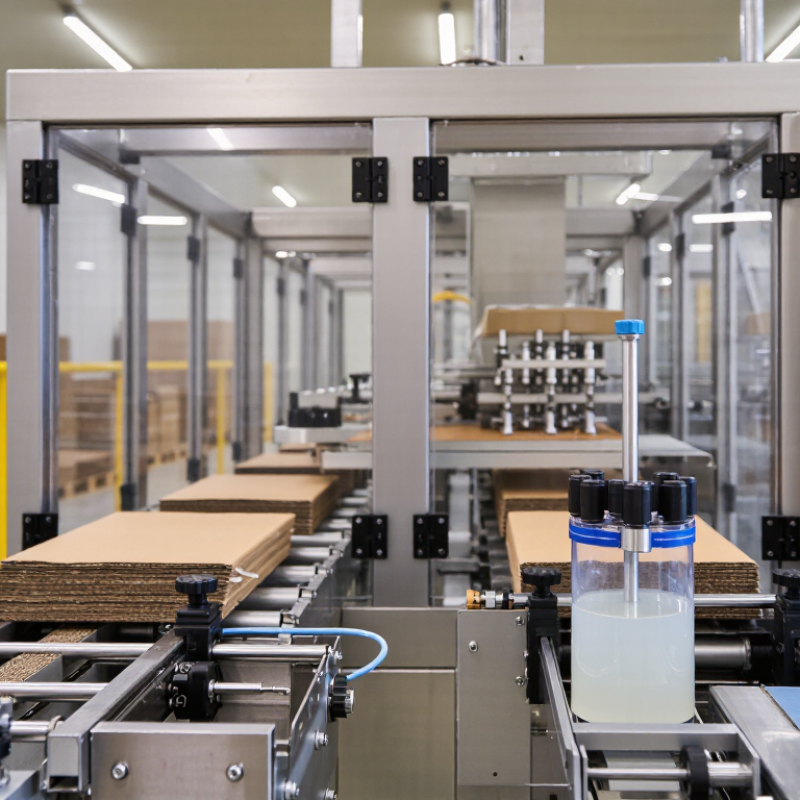
An automatic feeding gluing machine combines material feeding, adhesive application, and controlled transport in one production line. It takes sheets or prepared components from a stack, separates them, and moves them toward a glue station. Sensors and guides help keep each piece aligned. The machine applies adhesive to specified areas, then sends the joined parts through pressure rollers or a holding section. The result is a more repeatable process than manual feeding and gluing. Small details matter.
Depending on its configuration, the machine may handle cartons, paper products, or other compatible materials. Operators set feed guides, adhesive flow, speed, and pressure to suit the job. A clean glue nozzle and a stable stack can prevent uneven lines, missed spots, and jams. In practice, setup is not always as tidy as equipment descriptions suggest. Warped sheets or changing material thickness may require adjustments. That is worth remembering. A useful machine should offer accessible controls, consistent feeding, and straightforward cleaning, not just a high rated speed. Before selecting one, compare its working range and output quality with actual production samples. The best fit depends on the material, required bond, and daily workload.
How Does an Automatic Feeding Gluing Machine Work?
An automatic feeding gluing machine moves flat blanks from a stack into a controlled bonding line. A feeder uses suction cups or friction belts to separate each sheet. Sensors check its position and help prevent double-feeding. The conveyor then carries the blank beneath an applicator, which lays adhesive along programmed paths. Depending on the machine, this may use rollers or nozzles. Timing matters. Too little glue can leave a weak seam; too much can squeeze onto the printed surface. Compression belts hold the joined panels while the adhesive begins to set.
MarketsandMarkets estimated the global hot-melt adhesives market at about $7.4 billion in 2023, projecting $10.1 billion by 2028. That market estimate signals continuing demand for adhesive applications, but it does not establish any machine’s speed or bond quality. Those depend on board thickness, adhesive temperature, line settings, and operator setup. In practice, warped blanks and dusty surfaces can disrupt feeding, even when the control panel looks steady. Small adjustments help. Test several sheets, inspect the glue line, and check whether the seam stays closed after compression. The imperfect part is real: a recipe that works on one carton may need retuning for another.
Which Features Define the Best Machines in 2026?
In 2026, the best automatic feeding gluing machines combine steady feeding, accurate glue application, and simple changeovers. They should handle the materials and sheet sizes a shop actually uses, not just the easiest samples. Consistent feeding helps prevent skewed pieces and uneven folds. Watch a full production run. A brief test can hide problems.
Glue control matters just as much. Adjustable settings should let operators match adhesive volume and placement to each job. Too much glue can squeeze onto surfaces; too little may leave weak bonds. Look for clear controls, repeatable settings, and quick access to glue lines for cleaning. Fast changeovers help, but rushed setup can still create waste.
Useful sensors can detect misfeeds or low material before a stoppage grows. Guards and accessible emergency stops should be easy to inspect during routine checks. Ask how wear parts are replaced and whether operators can clear common faults without specialized tools. Practical details count. Compare output claims with your own materials, staffing, and job mix. A machine may run quickly yet prove awkward to adjust between short orders. The right choice is the one that performs reliably on your actual work.
How Do Machine Types Compare Across Different Applications?
Automatic feeding gluing machines differ mainly in how they handle material and control adhesive placement. Sheet-fed systems suit cartons, folding boxes, and paperboard jobs with repeatable dimensions. They can feed individual blanks, apply glue along defined seams, and send finished pieces toward pressing or folding stations. For a packaging line, reliable sheet separation matters as much as glue accuracy; a double-fed blank can disrupt the whole run.
Roll-fed machines are better suited to continuous materials, such as labels or flexible paper products, where steady web movement is essential. Robotic or gantry-style applicators handle varied parts and changing glue paths, making them useful for furniture components, filters, and small assemblies. They may need more setup and process testing. Not always.
Application details should guide the choice. Thick board may need a different feed path and adhesive pattern than lightweight paper. A machine designed for high-volume, uniform cartons may be an awkward fit for short runs with frequent size changes. Check actual samples, glue viscosity, feed stability, cleaning access, and changeover time before comparing speed claims. In practice, production estimates can look tidy on paper, but material variation and operator adjustments still affect output. A small trial run often reveals more than a brochure.
How Can Buyers Choose the Right Machine?
The best automatic feeding gluing machine is the one that fits your actual cartons, operators, and daily production mix. Start with board size, thickness, fold style, and the smallest job you run. Then compare rated speed with the speed sustained during a production trial. Ask the supplier to test your own blanks and adhesive, not just sample stock. Test real cartons. Watch for skewed feeding, glue skips, crushed edges, and slow changeovers. A neat demonstration can hide problems that appear after hundreds of sheets.
Check the whole line, including feeder access, downstream packing, maintenance space, and operator training. The International Federation of Robotics reported 541,302 industrial robot installations worldwide in 2023 in its World Robotics 2024 report. That figure signals broader factory automation, but it does not prove that a faster gluer will improve your own output. Request measured results for usable cartons per hour, changeover time, glue use, and rejects. Small gaps matter. Verify how the machine handles worn or slightly warped blanks, since real stock is rarely perfect. I would also ask for a written acceptance test using agreed product samples; buyers sometimes focus too heavily on headline speed. A slightly slower machine may be the better fit if it feeds consistently and is easier to maintain.
What Is the Best Automatic Feeding Gluing Machine in 2026?
Suggested buyer-evaluation weights for choosing a machine—not market-survey results.
Prioritize fit with your required throughput, materials, and glue quality, then compare setup time, service support, and installation needs. Treat these suggested weights as a starting point; adjust them to your production requirements and verify specifications with suppliers.