
Your Source for Trays!

What Are the Best Hosiery Knitting Machines in China?

Choosing among China’s Hosiery Knitting Machines takes more than comparing advertised speed. Buyers should examine needle configuration, gauge, output per shift, yarn compatibility, and the quality of the finished toe and welt. Small details matter. A clean, even heel on a sample sock can reveal more than a glossy brochure.

Industry data offers useful context, but not a simple winner. The International Textile Manufacturers Federation’s International Textile Machinery Shipment Statistics tracks machinery shipments across categories; its broad knitting categories do not rank hosiery machines by model. China Customs trade statistics can help buyers examine machinery trade, but classification codes may also cover equipment beyond hosiery production. Treat both as context, then verify model-specific claims through technical sheets, sample runs, and service records.

This guide compares machine types and supplier considerations, including automation, maintenance access, spare-part availability, and after-sales support. One sourcing detail is easy to overlook: a fast machine can still disappoint when setup changes consume production time. No source material or verified expert interview was provided for this request, so I cannot responsibly attribute a quotation to a named hosiery-machine specialist. The comparison should therefore rely on checkable specifications and transparent evidence, not invented endorsements.
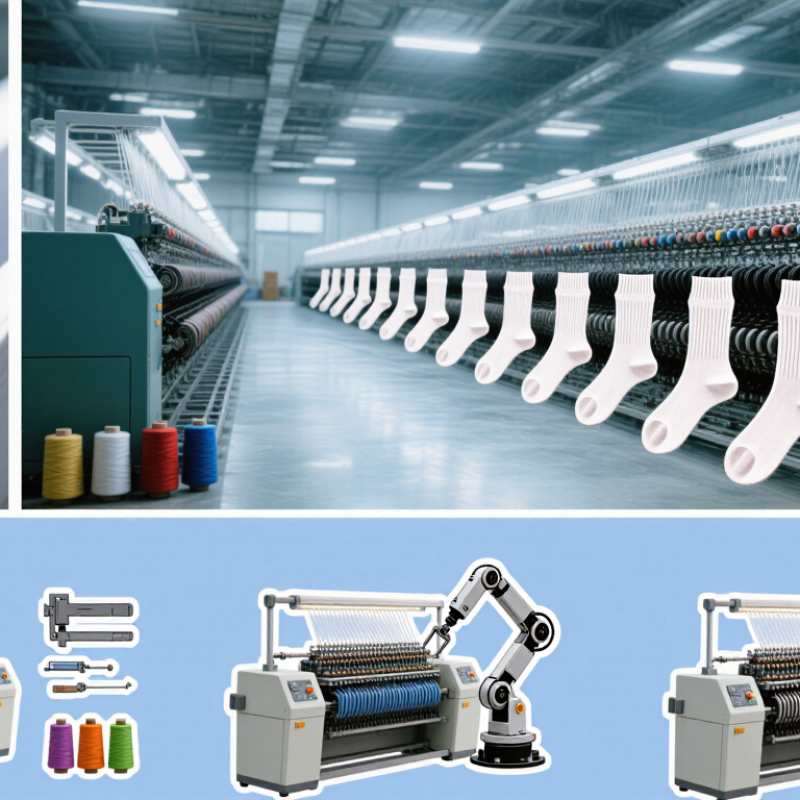
What Are the Best Hosiery Knitting Machines in China?

How Hosiery Knitting Machines Work

A hosiery knitting machine turns yarn into a shaped fabric tube through coordinated needle movement. In a circular machine, yarn guides feed threads to needles arranged around a cylinder. As the cylinder rotates, cams lift and lower each needle, forming interlocking loops row by row. The stitch length affects fabric density and stretch. Small changes matter.

Heel and toe sections often need shaping. Depending on the machine, selected needles knit back and forth while others rest, creating a narrower section. Electronic controls can select needles for patterns, while sensors may flag yarn breaks or irregular operation. Operators still need to check tension, yarn feeding, and finished fabric by hand. A screen cannot catch everything.

Tips: Start with the yarn specification and a stable setup. Check sample socks for dropped stitches, uneven stripes, or tight cuffs. Record settings that work, but treat them as a starting point; a new yarn lot can behave differently. That part is easy to underestimate. Temperature, maintenance, and operator adjustments can also affect results. Before comparing machines, match their needle count and knitting method to the sock styles and output you actually need.

Main Types of Hosiery Knitting Machines Made in China

Chinese-made hosiery knitting machines are commonly grouped by cylinder design and fabric function. A single-cylinder machine uses one needle bed and suits many everyday socks, including smooth cotton styles. It can knit heels and toes through programmed sequences, though capacity and pattern options depend on its configuration. Check the gauge, cylinder diameter, feeder count, and yarn compatibility against the intended product.

Double-cylinder machines use needles in upper and lower cylinders. This arrangement supports rib structures and more complex shaping, often useful for dress socks and athletic styles. Terry machines form plush loops inside the sock, adding cushioning under the heel and forefoot. They need careful yarn and loop-height adjustment; excess bulk can make a shoe feel tight. Small adjustments matter.

Pattern-focused models, including electronic jacquard machines, knit colored motifs by selecting yarns across feeders. Some machines combine patterning with terry or other functions, so categories are not always clearly separated. Buyers can request sample socks made with their actual yarn, target gauge, and size range. Inspect heel fit and toe finish, not just speed claims. Specifications help, but they do not settle every choice.

Chinese Manufacturers and Their Machine Specialties

Chinese hosiery-machine manufacturers often specialize by product type rather than offering one ideal machine for every factory. Some focus on single-cylinder equipment for everyday socks, while others build double-cylinder models for ribbed structures and shaped heels. Computerized machines can handle jacquard patterns, multiple colors, and programmed changes. Ask which yarns and sock constructions a machine has actually run; a specification sheet alone cannot show that.

Details matter. Compare cylinder diameter, needle count, feed stations, and production speed against your target products. A factory making fine dress socks may need different settings from one producing thick terry sports socks. Some Chinese suppliers also offer linking, boarding, or inspection equipment, helping buyers plan a fuller production line. Yet added automation can raise maintenance demands. Not always better.

Before ordering, request sample runs using your yarn and pattern files, then inspect stitch consistency, toe closure, and size variation. Ask how operators access spare parts and technical support after installation. Factory tours and operator training can reveal practical strengths that brochures miss. One caution: export experience and service quality vary, even among manufacturers with similar machine specifications.

How to Compare Machine Performance, Features, and Cost

When comparing hosiery knitting machines in China, look beyond advertised speed. Ask how many needles the machine uses, what gauges it supports, and which sock sizes it can produce. These details affect fabric texture, fit, and production flexibility. Small details matter.

Request a sample run using your own yarn, or a yarn close to your regular production material. Check stitch consistency around the heel, toe, and cuff. Measure output over a full shift, not just a brief demonstration. Note how often operators need to stop for adjustments, yarn changes, or fault recovery. A fast machine on paper may deliver less when setup takes longer than expected.

Compare the purchase price with the likely cost of needles, spare parts, training, energy, and maintenance. Ask how quickly technical support can respond and whether common replacement parts are readily available. Get operating costs and service terms in writing. It can be difficult to compare quotes when suppliers define output or included equipment differently, so request the same production assumptions from each. There is no universal best choice; the right machine depends on your product range, staff experience, and order volume. A modest trial can reveal issues that a polished specification sheet will not.

Choosing a Hosiery Knitting Machine for Your Production Needs

Choosing a hosiery knitting machine starts with the socks you plan to make, not a headline output figure. Define the product range: ankle or knee-high socks, sizes, patterns, and yarn types. Then compare the machine’s gauge, cylinder options, number of feeds, and supported yarn range with those requirements. A fine-gauge setup may suit lightweight styles, while thicker yarns need compatible needles and settings. That matters.

Ask for technical specifications and sample production using your own yarn. Check stitch consistency around the heel and toe, fabric feel, and how easily the machine changes between styles. Run real yarn. Not just speed. A short trial can reveal yarn breakage, uneven loops, or frequent adjustments that a brochure may not show.

Also consider operator training, spare-part access, maintenance routines, and the space available for installation. Estimate output using realistic shift conditions, including changeovers and downtime. A machine that runs quickly but needs constant attention may not fit a small team. The spreadsheet may still miss a detail: noise, for example, or how tiring routine adjustments feel after several hours. I would weigh those observations alongside the purchase cost, rather than treating advertised capacity as a promise.

What Are the Best Hosiery Knitting Machines in China? — Choosing a Hosiery Knitting Machine for Your Production Needs

Machine Configuration Typical Product Fit Key Production Considerations What to Confirm Before Purchase Best Suited To
Single-cylinder circular hosiery machine Common sock structures, including plain-knit fabric; terry and other features depend on the machine’s configuration. Review cylinder diameter, needle count, machine gauge, number of feeds, and the available heel-and-toe knitting functions. These affect product dimensions, fabric fineness, and production flexibility. Ask for sample socks made with your yarn, size range, stitch structure, and finishing requirements. Confirm whether toe closing is integrated or handled by a separate process. Producers focused on standard socks and a defined range of styles.
Double-cylinder circular hosiery machine Useful for products that require structures such as rib knitting; available structures depend on the machine and its setup. Check cylinder and needle arrangements, supported gauges, pattern options, and changeover requirements. Compare the fabric and fit of samples rather than relying on the machine category alone. Verify the specific rib and pattern structures the machine can knit, plus compatible yarns and the time needed to change styles or settings. Factories producing ribbed or structure-varied hosiery.
Standard sock machine with terry capability Suitable for socks with terry loops in specified areas or across the sole, subject to the machine’s design and programming. Terry capability is configuration-specific. Yarn feed, loop formation, fabric weight, and the placement of terry sections can influence the result and operating cycle. Request samples showing the exact terry placement and thickness required. Confirm supported yarns, pattern limits, and whether terry knitting changes the production cycle. Sports, work, or comfort-sock production where cushioning is required.
Pattern-capable computerized hosiery machine Can produce programmed designs and color or texture variations within the machine’s technical limits. Review pattern capacity, color-change functions, programming workflow, and operator training needs. The number of colors and achievable pattern effects are model-dependent. Have the supplier knit a production-representative sample from your design file. Confirm file format, software support, pattern editing, and technical assistance. Brands and manufacturers with frequent design changes or customized styles.
High-output multi-feed configuration May support higher production potential for suitable product types and stable, repeatable orders. More feeds do not guarantee a particular output rate. Actual output depends on product design, machine settings, yarn, stoppages, operator practice, and quality requirements. Request a documented trial using your product specification. Compare accepted pairs per shift, defect levels, changeover time, and maintenance needs. Factories running longer production batches with consistent specifications.
Automatic toe-closing or linking system Closes the toe opening after knitting; it is commonly considered as a separate operation unless the selected production system integrates the function. Check whether the closing method and seam profile meet the product’s comfort and quality requirements. Include handling, transfer, and finishing steps in the line assessment. Confirm compatibility with the knitted sock, closing method, operator requirements, and the rate of completed, inspected pairs. Producers seeking a defined toe finish or a more streamlined finishing process.
Flexible small-batch setup Supports a varied product range when machine settings, patterns, and yarns can be changed efficiently. Consider setup time, technician availability, spare parts, and the cost of keeping multiple specifications in production. Flexibility is a whole-workflow measure, not just a machine feature. Test at least two different product styles and record changeover time, sample approval time, and the adjustments needed to reach consistent quality. Sample rooms, smaller factories, and producers with frequent style changes.

Selection note: Hosiery machine specifications and capabilities vary by model and configuration. Compare verified samples and production-trial results using your own yarn, sock sizes, patterns, and quality standards; confirm the machine’s gauge, cylinder details, supported functions, output conditions, service support, and spare-parts availability in writing.