China Top Battery Manufacturing Equipment Suppliers for Global Buyers?
As the global demand for electric vehicles and renewable energy solutions rises, the role of Battery Manufacturing Equipment becomes increasingly crucial. China stands at the forefront of this booming industry, offering a diverse range of advanced manufacturing machinery. These suppliers not only provide the technology needed for efficient battery production but also emphasize innovation and quality.
Many global buyers are turning to Chinese manufacturers for their expertise. They offer insight into the latest developments in battery production. However, navigating this complex landscape can be challenging. Buyers must consider multiple factors, including technology, cost, and reliability. Understanding the market is essential for successful procurement.
In this evolving sector, it's vital to stay updated with emerging trends and best practices. Proper research and partnerships with reputable Chinese suppliers can lead to significant advantages. Yet, potential pitfalls exist, such as quality inconsistencies or inadequate support. A reflective approach to sourcing will pave the way for lasting success in the battery manufacturing arena.
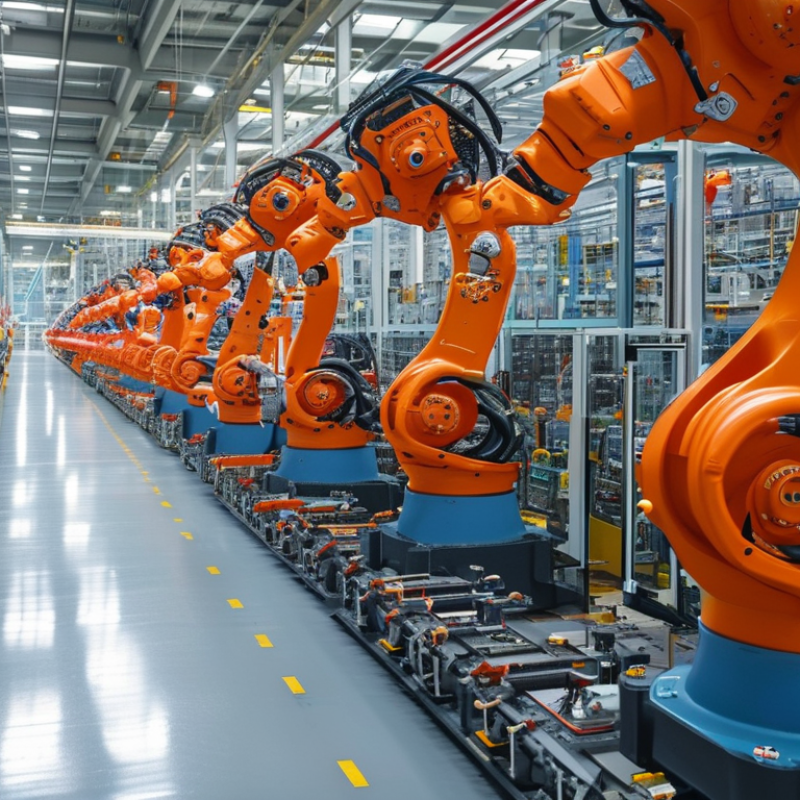
Overview of China's Battery Manufacturing Equipment Industry
China's battery manufacturing equipment industry is growing rapidly, fueled by increasing global demand for electric vehicles and renewable energy storage. According to recent reports, the market is projected to reach $30 billion by 2025, with an annual growth rate of over 15%. This growth is driven by advancements in technology and the push for more efficient manufacturing processes.
The industry focuses on various equipment types, including fully automated assembly lines and testing machines. Innovations in automation have improved production efficiency, reducing labor costs and increasing output. Companies are investing in research to develop smarter equipment that can adapt quickly to different battery chemistries. Companies are also enhancing their quality control measures. This ensures that the final products meet strict international standards.
Tips: Look for suppliers with a strong track record in the industry. Review their capabilities in automation and technology. Consider their flexibility to customize solutions for different battery types. It's essential to assess their quality assurance practices to ensure reliable partnerships.
Key Players in China’s Battery Manufacturing Equipment Market
In recent years, China's battery manufacturing equipment market has seen rapid development. According to industry reports, this sector is projected to surpass USD 10 billion by 2025. Key players in the market are continuously innovating to meet increasing global demand, particularly for electric vehicle batteries. A rise in battery production facilities has prompted equipment suppliers to enhance automation and precision.
Noteworthy trends suggest that demand for lithium-ion batteries will drive more investment in manufacturing technologies. Automation can improve efficiency while reducing production errors. However, the reliance on advanced technologies creates a vulnerability in addressing maintenance and repair challenges. As these systems become more complex, potential downtime may impact productivity.
Experienced suppliers are focusing on sustainability within their operations. They aim to reduce waste and energy consumption. Yet, there remains a gap as many manufacturers struggle with meeting environmental regulations. Continuous improvement in compliance is crucial for long-term success. Achieving a balance between cost efficiency and environmental responsibility is essential for the industry's future.
China Top Battery Manufacturing Equipment Suppliers for Global Buyers
| Company Type | Product Category | Production Capacity (units/year) | Region | Export Markets |
| Manufacturer | Lithium-ion battery equipment | 500,000 | East China | North America, Europe |
| Supplier | Battery assembly lines | 300,000 | South China | Asia, Australia |
| Manufacturer | Electrode coating machines | 250,000 | Central China | Latin America, Europe |
| Supplier | Cell formation systems | 400,000 | Northern China | Middle East, Africa |
| Manufacturer | Battery test equipment | 150,000 | Southwest China | Worldwide |
Technological Advancements in Battery Production Equipment
In the dynamic realm of battery production, technological advancements are reshaping how manufacturers approach efficiency and sustainability. Automation has become a key player in improving precision and reducing waste. Advanced robotics and AI-driven systems now streamline the production process, minimizing human error and enhancing output quality. This shift not only benefits manufacturers but also addresses the growing demand for battery storage in renewable energy sectors.
Tips: Focus on integrating machinery that supports real-time data analysis. This will optimize operations and promote proactive maintenance approaches.
Additionally, innovation in materials technology is crucial. Utilizing cutting-edge components can enhance product longevity and performance. For instance, the development of nickel-cobalt-free chemistries promises to reduce reliance on scarce resources. However, manufacturers must critically evaluate their supply chains. Sustainability is vital, yet it often presents challenges that require careful consideration.
Tips: Always engage with suppliers about material sourcing. Transparency can mitigate risks and foster trust. Seek out equipment that allows for modular upgrades. This will help adapt to evolving technologies without overhauling entire systems.
Technological Advancements in Battery Production Equipment
Factors Influencing Global Buyers' Decisions
When choosing battery manufacturing equipment suppliers, various factors play a crucial role for global buyers. Equipment reliability is key. Companies seek machines that perform consistently under various conditions. A breakdown can cause delays, affecting project timelines and costs. It’s vital to know the equipment's performance metrics. Buyers often compare output, efficiency, and maintenance needs of different options before committing.
Another important aspect is customer support. Reliable after-sales service can make or break a supplier's reputation. Buyers need quick solutions for technical issues. A good supplier provides comprehensive training and technical assistance. This support builds trust and ensures smooth operations post-purchase.
Pricing also significantly influences decision-making. Competitive pricing attracts buyers, but it should reflect quality. Low-cost equipment might lead to higher long-term expenses due to maintenance or inefficiencies. Beyond the initial price tag, global buyers assess the total cost of ownership. Balancing cost with reliability and support will ultimately define their supplier choices.
Future Trends in Battery Manufacturing Equipment Supply Chain
The battery manufacturing equipment supply chain is evolving rapidly. As global demand for batteries increases, suppliers face new challenges. Innovations in technology are reshaping production processes. This transformation often leads to the need for updated machinery and techniques.
The trend toward automation is getting stronger. Automated systems enhance efficiency and reduce errors. However, the initial investment can be significant. Smaller companies may find it challenging to keep up with these developments. Finding the right balance between automation and human expertise is crucial.
Tip: Stay informed about industry trends. Regularly attend workshops and seminars. This keeps your skills relevant and your knowledge up to date.
Collaboration within the supply chain is vital. Manufacturers must communicate effectively with suppliers and customers. This collaboration can lead to improved product quality and faster delivery times. However, integrating new technologies requires assessment and careful planning. Companies should be open to experimenting with new methods while evaluating their effectiveness.
Tip: Conduct regular reviews of your processes. Identifying areas for improvement can lead to better performance. Embrace a culture of continuous improvement.