
Your Source for Trays!

China Top 10 Beverage Can End Manufacturers

China is a major sourcing option for beverage packaging, and its manufacturers serve customers with different can formats, order volumes, and technical needs. This guide to China’s top 10 Beverage Can End manufacturers is intended as a practical starting point, not a universal verdict. Supplier capabilities change, and a company that suits a large, steady order may not fit a smaller or specialized project.

A useful comparison looks beyond company size. Buyers can review end diameters, tab designs, coating options, production capacity, and quality-control procedures. Ask how a supplier checks dimensions, scores, and opening performance. Request current product specifications and samples where possible. A lid may look simple, but a clean curl, consistent score, and secure tab matter on a fast filling line. Small differences can create real production headaches.

Service deserves attention too. Confirm lead times, packaging details, communication practices, and the supplier’s experience with your intended can body and beverage. Do not rely on a polished brochure alone. Verify claims through direct discussions and suitable quality documents. No shortlist can replace a proper technical review. This guide highlights manufacturers for closer evaluation, while recognizing that public information may not reveal every factory’s current capabilities. That uncertainty is worth keeping in mind. The best choice depends on your specifications, your production conditions, and how reliably a supplier can meet them over time.
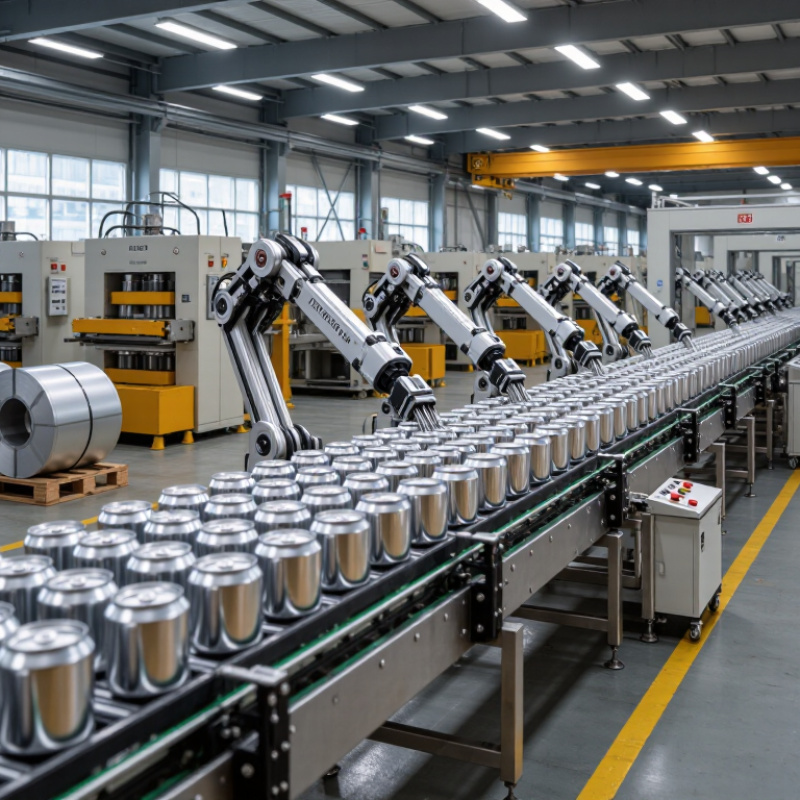
China Top 10 Beverage Can End Manufacturers

What Beverage Can Ends Are and How They Function

A beverage can end is the shaped metal closure fitted to a can body. It is commonly made from coated aluminum, though material and design vary by product. A curled edge joins the end to the body in a double seam, creating a tight mechanical seal. Small, but critical. Before opening, a scored panel helps contain the drink while the tab stays attached. Lift the tab, and it acts as a lever, pressing the panel inward along its score. The opening lets liquid pour, while the attached tab reduces loose litter. Not quite effortless. Scoring depth, tab shape, and metal thickness all affect opening force and seal performance.

During production, ends are formed, coated, and inspected for dimensions, coating coverage, and compatibility with the can body. Finished seams may be checked visually, measured, and periodically examined by cutting them apart. Exact checks depend on line speed and package specifications. A sound end must withstand handling and internal pressure without opening unintentionally. Yet easy opening matters too; a stiff tab can frustrate users, while a panel that opens too readily raises reliability concerns. There is no single ideal design. On a production line, even a slight change in curl or score depth can affect how the end seats or opens.

How China’s Beverage Can End Manufacturers Are Evaluated

Evaluating China’s beverage can end manufacturers takes more than comparing quoted prices. Buyers should review material consistency, dimensional control, sealing performance, and production traceability. Ask how the supplier checks end diameter, curl, coating coverage, and score-line quality. Small details matter. A reliable evaluation includes sample testing under realistic filling and handling conditions, not just visual inspection. Request recent inspection records and clarify how defects are documented and addressed.

Production capacity and delivery history also deserve attention. Confirm whether the manufacturer can maintain specifications across repeated batches, and ask how changes to materials or tooling are communicated. A factory visit can help verify equipment, quality-control steps, and storage conditions. If a visit is not practical, request dated production evidence and clear answers to technical questions. A polished sample can be reassuring, but it does not prove consistent output. No checklist is perfect; buyers should record assumptions and revisit them after trial orders.

Tips: Compare samples using the same measurements and test conditions. Keep written specifications, approval records, and agreed tolerances together. Good communication counts, too. A slow or vague response before ordering may signal avoidable coordination problems later.

Profiles of China’s Top 10 Beverage Can End Manufacturers

Profiles of China’s Top 10 Beverage Can End Manufacturers

A useful profile of a beverage can end manufacturer goes beyond production capacity. It looks at end diameters, opening styles, material options, and the ability to maintain consistent dimensions across large runs. The ten profiles can help buyers compare capabilities, but they should not be treated as a fixed ranking. Details matter. A supplier suited to a standard drink can may not fit a specialist format or a smaller production schedule.

Quality control deserves close attention. Look for clear inspection procedures for curl dimensions, coating coverage, score lines, and tab attachment. These details affect how ends move through filling lines and how reliably they seal. Ask how samples are tested, how production changes are recorded, and whether technical teams can respond to tooling issues. A polished catalogue is useful, but it cannot replace production evidence.

Manufacturers may also differ in customization, lead times, and support for new designs. Some buyers value high-volume output; others need flexible scheduling or close engineering collaboration. Not every line fits. Public information can be uneven, and advertised capacity may not reflect available capacity at a given time. Comparing documented specifications, sample quality, and communication gives a more grounded view of each manufacturer’s strengths and limitations.

China's Beverage Can End Manufacturing: Common Nominal End Diameters

Nominal diameters associated with selected can-end size codes, shown as a packaging specification reference—not a comparison of manufacturers.

The diameters are calculated from the nominal size-code convention in sixteenths of an inch and converted to millimeters. Actual end dimensions can vary by specification.

Comparing Product Ranges, Production Capacity, and Certifications

When comparing China’s top ten beverage can end manufacturers, look beyond catalog breadth. Check which end diameters, tab designs, and coating options each plant can produce consistently. Ask for samples that match your can body and filling line. A 202-size end may look standard, but seam performance still depends on the complete package.

Capacity claims need context. The Can Manufacturers Institute’s 2023 U.S. shipment report recorded 104.3 billion beverage cans, showing the scale of demand manufacturers serve. That figure is not an end-production benchmark. Request annual output by end type, current utilization, tooling changeover time, and recent on-time delivery records. Check the plant.

Certifications matter only when their scope matches the product and production site. Verify current ISO 9001, ISO 14001, or food-safety system certificates directly with the issuing body. Then review seam-teardown results, leak tests, and opening-force data from routine production—not just sample runs. The International Aluminium Institute reported a 71% global aluminum beverage-can recycling rate in 2022. This makes coating choices and material consistency relevant, but recycling performance varies by market. One weakness in supplier comparisons is that public capacity figures are rarely audited; treat them as claims until supported by records.

China Top 10 Beverage Can End Manufacturers - Comparing Product Ranges, Production Capacity, and Certifications

Data note: Company names and brands are omitted. The entries below are anonymous comparison slots, not verified rankings. Manufacturer-specific product ranges, capacities, and certifications should be confirmed directly with each supplier; unsupported figures are not presented as facts.

Anonymous Supplier Product Range to Confirm Production Capacity Certifications Key Comparison Checks
Supplier 1 Beverage can ends; sizes and end profiles to confirm Not independently verified Request current certificates and scope Compatible can-body specifications; sample approval
Supplier 2 Aluminum ends for beverage applications; formats to confirm Not independently verified Request current certificates and scope Material and coating specifications; dimensional tolerances
Supplier 3 Easy-open beverage ends; opening features to confirm Not independently verified Request current certificates and scope Opening performance; score and tab design validation
Supplier 4 Ends for carbonated drinks; pressure requirements to confirm Not independently verified Request current certificates and scope Pressure performance; seam compatibility and testing records
Supplier 5 Ends for beer and malt beverages; specifications to confirm Not independently verified Request current certificates and scope Product-contact compliance; coating and storage requirements
Supplier 6 Ends for energy drinks; sizes and tab options to confirm Not independently verified Request current certificates and scope Compatibility with filling line; opening and reclosing requirements
Supplier 7 Ends for juice and non-carbonated drinks; formats to confirm Not independently verified Request current certificates and scope Product-contact documentation; filling and sealing trials
Supplier 8 Ends with specialized opening features; design scope to confirm Not independently verified Request current certificates and scope Tooling availability; design ownership and qualification samples
Supplier 9 Printed or coated ends; decoration options to confirm Not independently verified Request current certificates and scope Color matching; coating performance; artwork and quality controls
Supplier 10 Beverage ends for export orders; product scope to confirm Not independently verified Request current certificates and scope Export documentation; lead times; traceability and change control

Before purchase, request dated production-capacity figures, product specifications, relevant food-contact documentation, certificate copies with validity dates, and samples tested on the intended can-making or filling line.

Key Trends Shaping China’s Beverage Can End Industry

China’s beverage can end industry is changing as producers balance line speed, material use, and reliable sealing. Small details matter. An uneven score or poorly formed curl can slow filling lines and frustrate consumers. Manufacturers are investing in tighter process controls, including inspections of coating coverage, tab placement, and score depth. These checks can catch defects before large batches leave the press.

Lightweighting remains a key trend, but thinner metal leaves less room for error. Engineers must maintain pressure resistance and easy opening while reducing material per end. This requires careful tooling adjustments and repeated tests across different can sizes. Recycled aluminum is also drawing attention, though its consistency can vary between supply streams. Real-world variation persists. That challenge deserves more attention than optimistic sales language often gives it.

Automation and data tracking are reshaping factory decisions. Sensors can flag changes in press force or lubricant flow, giving maintenance teams time to investigate. Yet software cannot replace experienced operators. A brief line stop may reveal a worn tool faster than a dashboard can. Not every upgrade pays off. Buyers should compare sample performance, traceability, technical support, and delivery stability rather than judging suppliers by production capacity alone.

Article Source: