China Top Vacuum Forming Plastic Techniques and Applications?
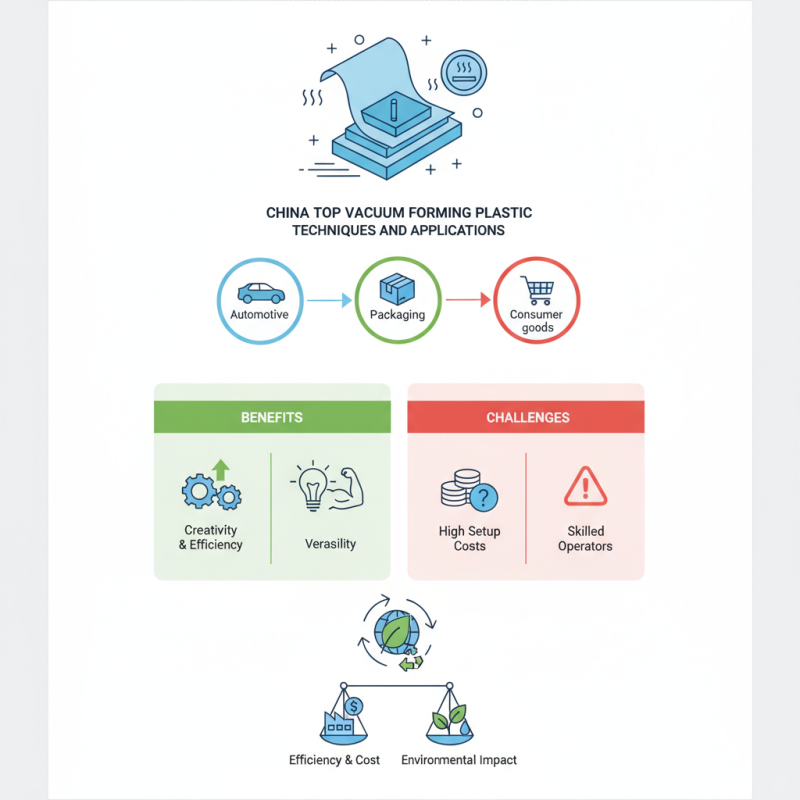
In the world of manufacturing, vacuum forming plastic stands out as a versatile technique. According to Dr. Emily Chen, a leading expert in this field, "Vacuum forming plastic allows for creativity and efficiency in design." This process shapes plastic sheets into various products using heat and vacuum pressure. Its flexibility makes it ideal for industries like automotive, packaging, and consumer goods.
However, despite its benefits, there are challenges. The initial setup costs can be high. Moreover, the process requires skilled operators to achieve optimal results. The quality of the final product relies heavily on the precision of each step. Companies must take these factors into account to harness the full potential of vacuum forming plastic.
As industries evolve, the demand for sustainable practices grows. Many are exploring eco-friendly materials for vacuum forming. This shift brings both promise and complexity. Innovations are underway, but the path forward is not without hurdles. Balancing efficiency, cost, and environmental impact remains a pressing concern for manufacturers.
Advancements in Vacuum Forming Technology in China
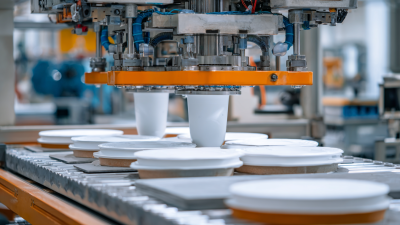
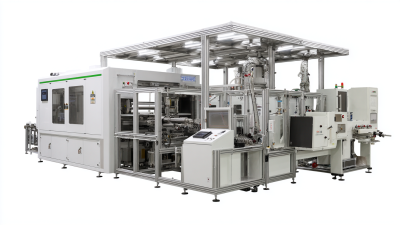
In recent years, vacuum forming technology in China has seen significant advancements. With the increasing demand for custom plastic products, manufacturers are innovating constantly. This shift focuses on energy efficiency and reducing waste during production. Enhanced machinery designs allow for faster production rates and improved accuracy in forming complex shapes.
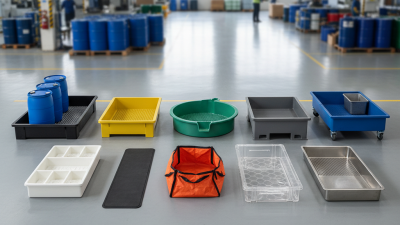
The application of this technology spans various industries. Companies utilize vacuum forming for creating packaging, automotive parts, and consumer products. This versatility speaks to the adaptability of modern techniques. However, challenges remain. Budget constraints may limit some manufacturers from investing in the latest machinery. Smaller businesses often struggle to keep pace with the rapid technological changes in the industry.
Moreover, quality control and material sourcing issues persist. Some manufacturers may overlook the importance of sourcing high-quality plastics. This can lead to inconsistencies in product strength and durability. The need for ongoing training and skill development among workers is also critical. Without a skilled workforce, the potential of new technologies remains unfulfilled. Exploring solutions to these challenges will ultimately shape the future of vacuum forming in China.
Key Materials Used in Chinese Vacuum Forming Processes
Vacuum forming in China has gained traction due to its versatility in various applications. The process uses thin sheets of plastic heated until soft. Common materials include PVC, PET, and ABS.
PVC is favored for its cost-effectiveness and flexibility. It’s widely used in packaging and signage.
PET is known for its superior clarity and strength. Due to these properties, it excels in food packaging.
ABS, on the other hand, is valued for its durability and impact resistance, ideal for automotive parts.
In addition to these materials, some industries explore bioplastics for eco-friendly solutions. This trend reflects growing environmental awareness.
However, sourcing these materials presents challenges. Not all manufacturers have access to high-quality bioplastics. This inconsistency can affect product quality.
Moreover, the recycling capabilities of vacuum-formed products vary significantly. Many companies are still working on sustainable practices. As a result, the industry must evaluate its long-term impact on the environment and explore better options.
Popular Applications of Vacuum Formed Plastics in Various Industries
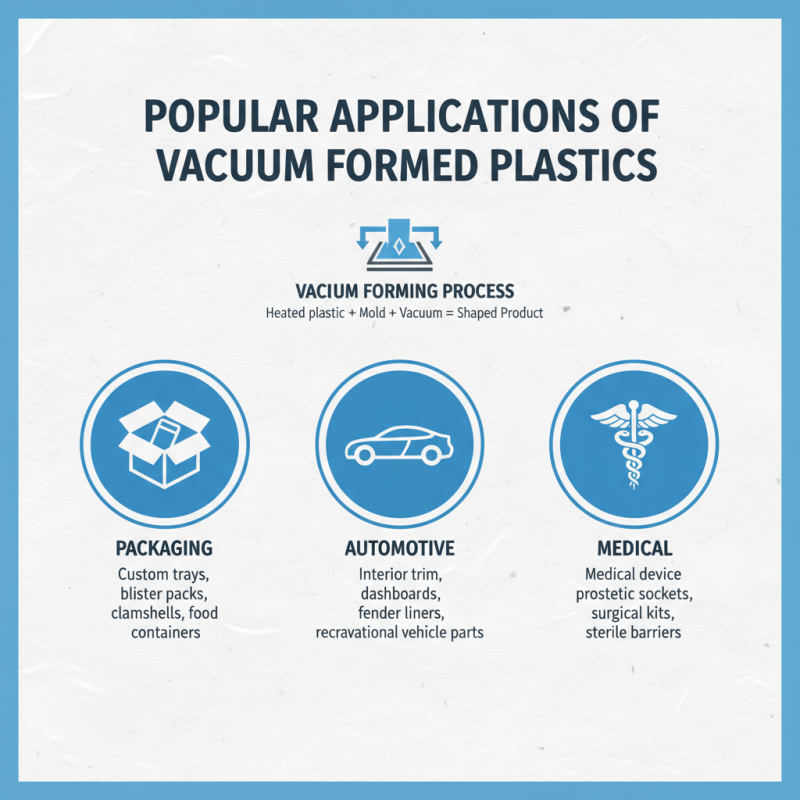
Vacuum forming has transformed various industries, becoming a crucial manufacturing technique. This process involves heating a thermoplastic sheet until pliable, then draping it over a mold. The vacuum is created to pull the material onto the mold's surface. This technique is widely used in packaging, automotive, and medical sectors.
In the packaging industry, vacuum-formed plastics offer lightweight, cost-effective solutions. A report by Smithers estimates that the global vacuum-formed packaging market will grow annually by 5.4% through 2026, reaching approximately $6 billion. This growth is driven by increased demand for consumer products and sustainable packaging options. In the automotive sector, vacuum-formed parts are prevalent in creating dashboards, panels, and trims. They provide excellent durability while reducing overall vehicle weight.
The medical industry also benefits from vacuum forming. It is essential for creating trays and containers that accommodate complex shapes. However, challenges remain. Ensuring the consistency of thickness and maintaining hygiene standards pose risks in production. Quality control processes need continuous improvement to address these issues. The evolution of vacuum forming technology is exciting, but reflection on these challenges is crucial for better outcomes.
Comparative Analysis of Vacuum Forming vs. Other Plastic Manufacturing Techniques
Vacuum forming stands out among plastic manufacturing techniques. It uses heat and pressure to shape materials into desired forms. This method is effective for creating complex designs, allowing for precision and detail. Its speed in production makes it suitable for various industries, including automotive and packaging.
Comparing vacuum forming to injection molding reveals some differences. Injection molding requires expensive molds and equipment. It can produce high volumes quickly, but the initial costs are high. Vacuum forming, on the other hand, has lower setup costs. It is ideal for smaller production runs where flexibility is needed. However, it might fall short in producing very intricate components that injection molding can achieve.
Another technique, blow molding, is perfect for hollow objects. It involves a different process, where air inflates hot plastic into a mold. While this method can create large containers, it doesn’t allow for the same versatility as vacuum forming. Each technique has its pros and cons. Understanding these differences helps in choosing the right method for specific applications.
China Top Vacuum Forming Plastic Techniques and Applications
| Technique |
Material Types |
Applications |
Advantages |
Disadvantages |
| Vacuum Forming |
PVC, PETG, PS |
Packaging, Automotive Parts |
Cost-effective for low volumes, quick setup |
Not suitable for complex shapes |
| Injection Molding |
ABS, Polypropylene, Nylon |
Toys, Consumer Goods |
High precision, suitable for mass production |
High initial costs, longer lead times |
| Thermoforming |
Polyethylene, Polyurethane |
Food Containers, Medical Devices |
Versatile shapes, easy to recycle |
Limited detail and surface finish |
| Blow Molding |
HDPE, PET |
Bottles, Containers |
Good for hollow items, low waste |
Limited material options |
| 3D Printing |
PLA, ABS, PETG |
Prototypes, Custom Parts |
Highly customizable, complex geometries |
Slower than traditional methods |
Future Trends and Innovations in China’s Vacuum Forming Industry
The vacuum forming industry in China is evolving rapidly. Recent reports indicate a projected growth rate of 6.5% in this sector over the next five years. This growth is driven by advancements in materials and technology. Innovations in thermoforming techniques are making production faster and more efficient.
Moreover, the demand for sustainability is shaping industry practices. Eco-friendly materials are gaining traction. A significant 40% of manufacturers are now exploring biodegradable options. This shift highlights the industry’s commitment to reducing environmental impact. However, challenges remain. Sourcing sustainable materials that meet quality standards is still a concern.
As automation becomes more prevalent, factories are optimizing operations. Data suggests that investment in automation technology can reduce labor costs by 30%. Yet, there are hurdles. Skills gaps in the workforce may slow this transition. The industry must address workforce training to fully embrace these new innovations. This crucial step will ensure the vacuum forming industry in China remains competitive on a global scale.