2026 How to Choose the Best EV Wall Charger for Your Home?
As electric vehicles (EVs) gain momentum, selecting the right Ev Wall Charger becomes crucial. In the U.S., the number of EVs is projected to exceed 26 million by 2030, according to a recent report from the Electric Power Research Institute. This surge underscores the growing demand for efficient charging solutions.
Choosing an EV wall charger involves more than just price. Models vary widely in power output, installation requirements, and compatibility with different vehicle types. For instance, Level 2 chargers can deliver up to 25 miles of range per hour of charging, making them ideal for home use. Research shows that nearly 80% of EV charging occurs at home, making the wall charger a vital investment.
However, navigating this market can be challenging. With numerous options available, buyers must weigh factors like brand reliability, warranty, and customer reviews. In this evolving landscape, consumers are encouraged to reflect on their specific needs, such as charging speed and future-proofing for potential EV purchases. The right EV wall charger can significantly enhance the ownership experience, but careful consideration is essential.
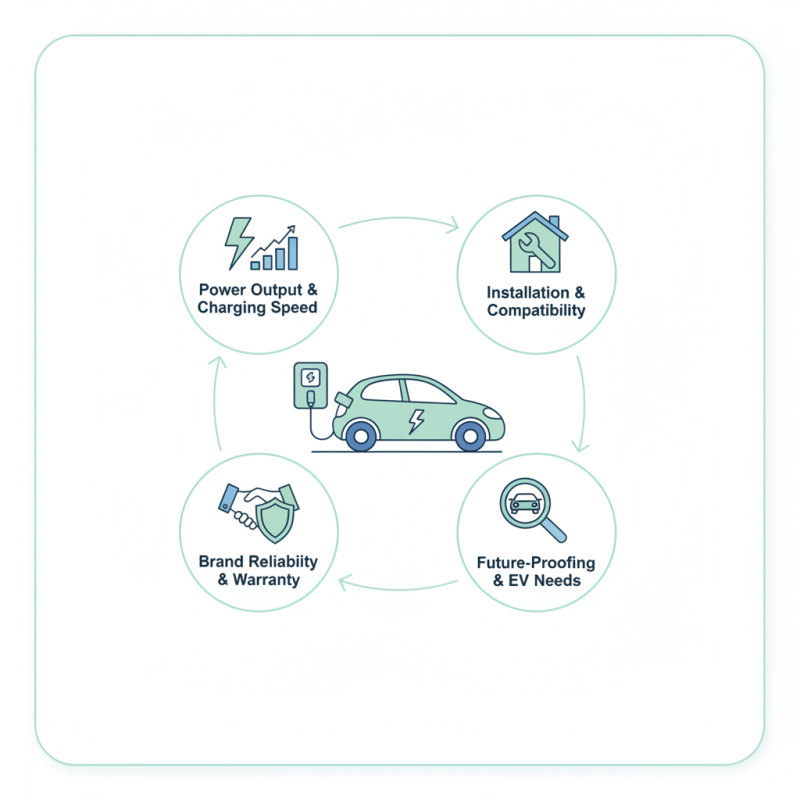
Factors to Consider When Choosing an EV Wall Charger
When selecting the ideal EV wall charger for your home, several key factors demand your attention. The charging speed is crucial. Most Level 2 chargers deliver between 3.3 kW to 22 kW, depending on the model and your home’s electrical capacity. A charger that provides faster charging times can significantly reduce downtime. For instance, a 240-volt charger can add up to 25 miles of range per hour. This detail can greatly influence daily convenience.
Compatibility is another vital consideration. Different electric vehicles may require specific connectors. While most EVs use the J1772 standard, some might need additional adapters. Ensuring compatibility with your vehicle can save you from future complications. According to recent data, around 24% of EV owners experienced compatibility issues when upgrading their chargers.
The installation process also impacts your decision. Some EV chargers require professional installation, which can add to the overall cost. It’s essential to consider your home's electrical system. A study indicated that nearly 30% of homeowners had to upgrade their electrical panels for safe charger installation. This can lead to unexpected expenses. Understanding local regulations and exploring available rebates can also optimize your investment. In the evolving landscape of EV charging, staying informed is paramount.
Types of EV Wall Chargers: Level 1 vs. Level 2
When selecting an EV wall charger, understanding the differences between Level 1 and Level 2 chargers is crucial. Level 1 chargers use a standard 120-volt outlet. They are often found in households and provide a slow charging rate of about four miles of range per hour. For some owners, this is sufficient for daily driving needs. However, if you are a frequent driver or own a larger EV, you may find this option lacking.
On the other hand, Level 2 chargers operate using a 240-volt outlet and can deliver up to 25 miles of range per hour. They significantly reduce charging time, making them a preferred choice for many EV owners. Level 2 installations may require an electrician to ensure proper setup and safety. This adds to the initial investment, so it’s essential to evaluate your driving habits and charging needs.
If you have a garage or dedicated charging space, a Level 2 charger might be worthwhile. For individuals living in apartments or those who drive less frequently, a Level 1 charger might suffice. Consider your options carefully, as the right choice can impact your daily routine. Factors like installation costs and convenience should not be overlooked. How you approach this decision can shape your EV experience significantly.
Compatibility with Your Electric Vehicle Model
When choosing an EV wall charger, compatibility with your electric vehicle (EV) is crucial. Different EV models have unique charging requirements. Some require specific connectors or have varying power capacities. Always check your vehicle's specifications before making a decision. Having the right charger can optimize your charging experience and prolong battery life.
Tips for selecting an EV charger include reviewing your vehicle's manual. Note the type of connector needed. Most EVs use either Type 1 or Type 2 connectors. Ensure the charger you choose matches that type for seamless charging. Additionally, consider the power output. A higher wattage charger will charge your vehicle faster, reducing wait times.
Remember, it's essential to reflect on your home's electrical capacity. Not all households can support high-powered chargers without upgrades. Assess your current setup and consult a professional if needed. This step helps prevent potential issues and ensures safe charging practices at home.
Installation Requirements and Location Considerations
When choosing the best EV wall charger, installation requirements are crucial. Start by evaluating your electrical system. Does it support a home charger? A dedicated circuit may be necessary for optimal performance. Most chargers require a 240-volt outlet. Check if your home can accommodate this safely.
Location considerations play a significant role. Ideally, install the charger near your parking space. This minimizes cable length and makes daily use easier. Ensure the charger is sheltered from extreme weather conditions. It should also be positioned away from high traffic areas to reduce the risk of accidental damage. Consider accessibility for all potential users in your household.
Reflect on your long-term needs. Your requirements may change as technology evolves. Think about future-proofing your setup. This might mean selecting a charger with advanced features or higher power output. Will your home’s layout support this? Take time to plan your installation. The right decisions today can simplify your EV charging experience tomorrow.
2026 How to Choose the Best EV Wall Charger for Your Home?
| Charger Type | Charging Speed | Power Output | Installation Complexity | Cost | Location Considerations |
| Level 1 Charger | Slow (4-5 miles/hour) | 120V | Low | $300 - $600 | Standard outlet in garage |
| Level 2 Charger | Moderate (20-25 miles/hour) | 240V | Medium | $500 - $1,200 | Requires dedicated circuit |
| Dc Fast Charger | Fast (60-80 miles/30 min) | 480V | High | $10,000 - $40,000 | Commercial settings or major routes |
| Smart Charger | Variable | 240V, adjustable | Medium to high | $700 - $1,500 | Wi-Fi and mobile connectivity required |
Cost vs. Features: Finding the Right Balance for Your Needs
When selecting the best EV wall charger for your home, striking the right balance between cost and features is crucial. Many options exist, and each has unique capabilities and price points. Look closely at your specific charging needs. A higher-priced charger may offer faster charging speeds and smart features. Yet, these may be unnecessary if you drive short distances.
Evaluate your vehicle's requirements and daily driving habits. A more affordable charger might suffice for occasional use. Consider installation costs too. Some chargers require professional installation, which can increase overall expenses. Assess whether you need Wi-Fi connectivity or scheduling capabilities. These features could enhance usability but may not provide significant value for everyone.
Do not solely focus on upfront costs. Analyze long-term benefits, such as reduced charging time and energy efficiency. This approach can save you money in the long run. Strive to find a charger that aligns with your lifestyle while considering budget constraints. Ongoing research and reviews will help you understand evolving technologies in EV charging.