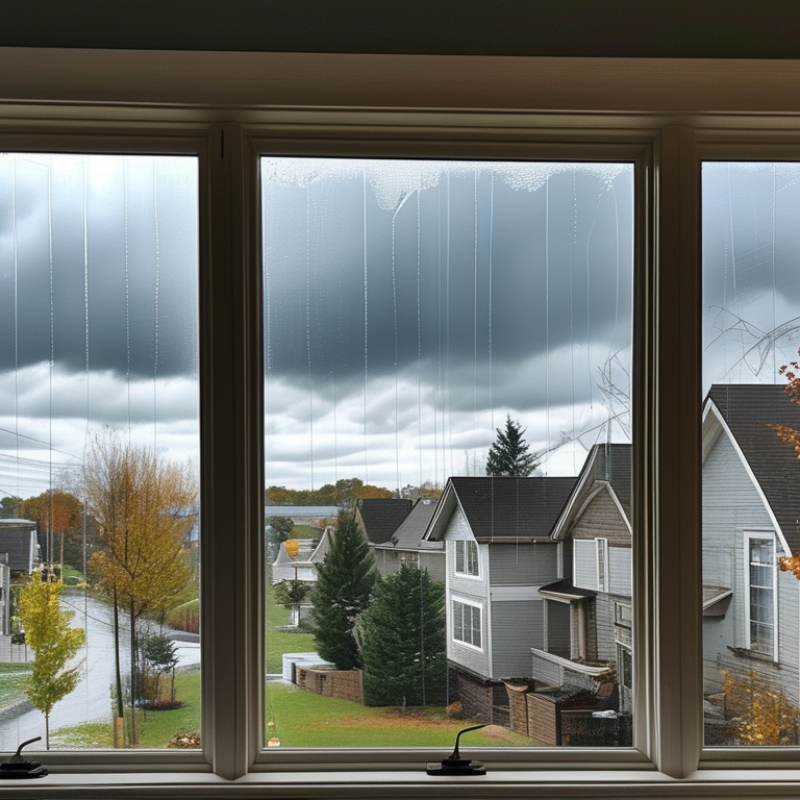
How to Choose the Best Storm Window for Your Home?
Choosing the right storm window is crucial for any homeowner. Storm windows serve as a barrier against harsh weather, ensuring energy efficiency and protection. They play a significant role in safeguarding your home from wind, rain, and even noise pollution.
When selecting a storm window, consider the material options available. Common choices include aluminum, vinyl, and wooden frames. Each material has its own benefits and drawbacks. For example, aluminum is durable but can conduct heat. Vinyl may insulate well, yet it might not withstand extreme conditions.
Reflecting on your specific needs is essential. Think about your climate and the exposure of your home to storms. Will you need something that offers maximum protection? Or is energy efficiency more important? Storm windows can be an investment. They promise to pay off in comfort and security. So, take the time to evaluate your options carefully.
Understanding the Benefits of Storm Windows for Your Home
Storm windows offer numerous benefits for homeowners seeking to enhance comfort and energy efficiency. They provide an additional layer of protection against harsh weather. This added barrier minimizes heat loss in winter. By blocking drafts, storm windows help you maintain a stable indoor temperature. They also reduce noise from outside, creating a quieter living space.
When considering storm windows, it's essential to assess your home's specific needs. Look for windows that match your existing style and construction. Choose materials that resist corrosion and wear. Clear acrylic and tempered glass are both good options. Ensure they fit correctly to avoid gaps that can reduce their effectiveness.
Pay attention to installation details. Proper sealing and alignment are crucial for maximizing performance. This process may seem simple, but it requires precision. If you are unsure, consult a professional. They can guide you through the intricacies of installation. Every part of the process matters for optimal results.
Evaluating Different Types of Storm Windows Available
When evaluating storm windows, homeowners have several options. The main types include full-frame windows, inserts, and storm panels. Full-frame windows replace your current windows entirely, providing excellent insulation. Inserts fit inside the existing frame, offering a balance of cost and efficiency. Storm panels can be installed seasonally, which is a flexible option for those in milder climates.
Consider the materials as well. Aluminum frames are durable, while vinyl options are lightweight and energy-efficient. Each material has its pros and cons. For instance, while aluminum offers strength, it may not insulate as well as vinyl. It’s essential to think about your climate and specific needs.
Installation can be a challenge. Some windows require professional help, while others are more DIY-friendly. Choosing the right type means assessing your comfort level with installations. It’s also wise to check local building codes. This may impact your options. Reflecting on these details can guide your decision-making process. Evaluation is crucial, and sometimes the "best" choice isn’t the most expensive one.
Key Factors to Consider When Choosing Storm Windows
Choosing the right storm window for your home involves several key factors. First, consider the material. You can choose from wood, vinyl, or aluminum. Each has its pros and cons, such as durability and maintenance needs. Wooden windows may need more care, while vinyl is lightweight and easier to maintain.
Energy efficiency is crucial. Look for windows with good insulation properties. Energy-efficient storm windows can significantly reduce heating and cooling costs. Check for the Energy Star label to ensure quality.
Installation matters, too. A perfect fit enhances effectiveness. Poorly installed windows can lead to air leaks and water damage. Take your time to plan installation carefully.
Choosing storm windows isn't purely about appearance. Some colors and designs may not match your home’s aesthetic. Reflect on how they will blend in. Not finding the perfect fit can lead to regret later, impacting your enjoyment of your space.
How to Choose the Best Storm Window for Your Home? - Key Factors to Consider When Choosing Storm Windows
| Factor | Description | Importance | Price Range |
| Material | Common materials include aluminum, vinyl, and wood. Each material has unique benefits. | High | $150 - $500 per window |
| Energy Efficiency | Check for energy ratings. More efficient windows can reduce heating and cooling costs. | Very High | $100 - $300 per window |
| Installation Type | Some storm windows are designed for inside installation, while others are outside. | Medium | $50 - $200 (installation cost) |
| Visibility | Consider how much light and view will be obstructed by the storm windows. | High | N/A |
| Durability | Look for windows that offer warranties or have a reputation for lasting under harsh weather. | High | N/A |
Assessing Costs and Budget for Storm Window Installation
When considering storm window installation, assessing your budget is crucial. Costs can vary significantly based on materials, size, and labor. On average, homeowners may spend between $200 to $800 per window. Higher-end options might exceed this range. Setting a clear budget helps in making informed decisions.
You should also factor in the long-term savings. Storm windows can reduce energy bills by improving insulation. Installation costs may seem steep initially. However, the energy efficiency gained can pay off over time. Additionally, check for local incentives or rebates for energy-efficient home improvements.
It's important to get multiple quotes from professionals. Not all contractors charge the same rates. Take the time to review their portfolios and ask for references. This practice can lead to better pricing and quality. Choosing the right storm window combines budget considerations with long-term benefits. Striking this balance requires careful planning and research.
Maintenance Tips for Ensuring Longevity of Storm Windows
Maintaining storm windows is crucial for their longevity and effectiveness. Regular cleaning is necessary to prevent dirt and grime buildup. A mixture of mild soap and warm water works well. Use a soft cloth to avoid scratches. Paying attention to the seals is also important. Inspect them periodically for signs of wear, cracking, or gaps. Damaged seals can lead to air leaks.
Occasional checks for corrosion or rust are essential, especially on metal frames. If any issues arise, addressing them promptly can prevent further damage. It's worthwhile to lubricate moving parts to ensure they function smoothly. This maintenance step may feel tedious but can extend the lifespan of your windows.
After heavy storms, inspecting your windows for damage is wise. Look for cracks or loosened fittings. If you find any, repairing them early can save money down the road. Engage a professional for complicated repairs or replacements. Keeping records of any maintenance or repairs can help track the condition of your windows over time.