How to Choose the Best Tractor Truck for Your Business?
In today's competitive logistics industry, choosing the right Tractor Truck is crucial for business success. According to the American Trucking Associations, the trucking industry generated over $740 billion in revenue in 2021. With such a vast landscape, selecting a reliable tractor truck can impact efficiency and profitability. Over 90% of freight moved in the U.S. is transported by trucks, underscoring the importance of making informed choices.
When evaluating tractor trucks, consider factors like fuel efficiency, load capacity, and maintenance costs. The Society of Automotive Engineers reports that the average fuel economy for heavy-duty trucks is about 6.5 miles per gallon. However, differences in models can significantly affect this figure. It's essential to reflect on your specific business needs, as different applications require variations in truck specifications.
Many first-time buyers often overlook the importance of after-sales support and resale value. These aspects can greatly influence long-term operational costs. With numerous options available, you may feel overwhelmed. It’s critical to research thoroughly and consult industry experts to ensure you invest wisely in the right tractor truck for your business.
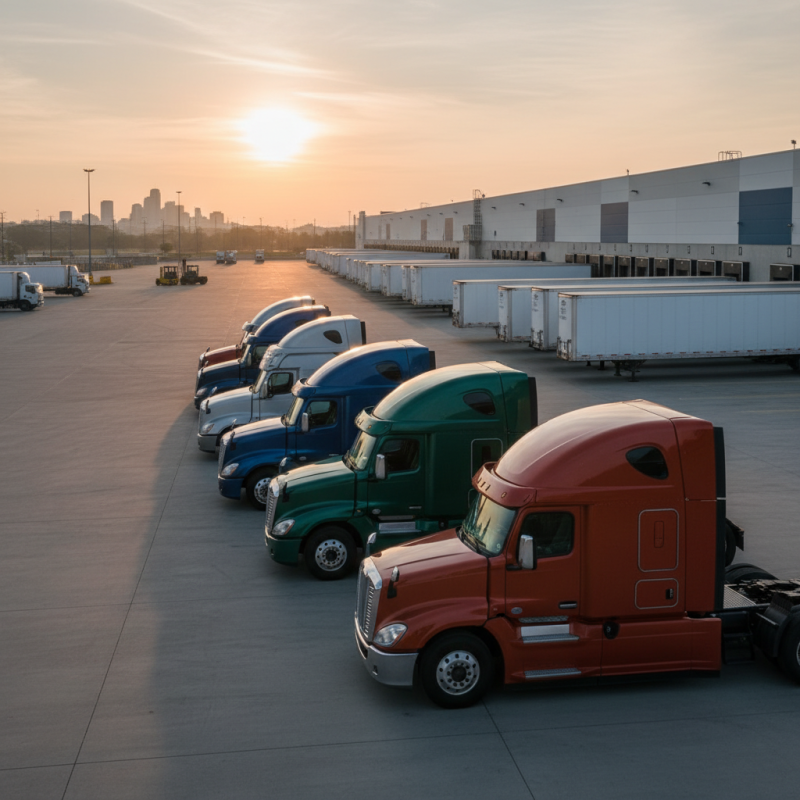
Understanding Your Business Requirements for a Tractor Truck
When selecting a tractor truck, understanding your business needs is crucial. Think about the tasks your truck will perform. Will it be hauling heavy loads across long distances, or do you need something more versatile for urban deliveries? The answers guide your choice.
Capacity is key. Consider the weight and volume of your typical freight. Each truck has limits. If you often push those limits, you might face challenges. Fuel efficiency also matters. A truck that guzzles fuel can quickly erode profits. However, more efficient models may require a higher initial investment. Are you ready for that trade-off?
It’s not just about size and price. Maintenance costs can vary significantly. Some trucks require more frequent service, while others offer longer intervals between checkups. Reflect on how much downtime your business can tolerate. Choosing the right tractor truck means balancing cost, efficiency, and reliability while reflecting on your specific operational needs.
Evaluating Different Types of Tractor Trucks Available in the Market
When evaluating different types of tractor trucks, several crucial factors come into play. Firstly, it is essential to consider the payload capacity. According to the American Trucking Association, an ideal tractor truck can carry about 80,000 pounds. Certain models excel in heavy-duty applications, while others suit lighter loads. Understanding your business needs is vital here. Will you be transporting goods across states? Or is local delivery your main focus?
Additionally, fuel efficiency has gained much attention in recent years. The average fuel economy for a new heavy-duty truck is about 6.5 miles per gallon, per the Environmental Protection Agency. This figure can significantly impact long-term operational costs. Investing in a fuel-efficient truck can save thousands annually. However, balancing fuel efficiency with power is necessary. A more powerful engine can offer better performance but at a potential decrease in fuel economy.
The truck's warranty and maintenance requirements also influence decision-making. A reliable maintenance schedule is critical to avoid unexpected downtimes. Some trucks may need more frequent servicing, leading to increased operational headaches. Users often report various experiences with after-sales service, which can vary widely among manufacturers. Therefore, researching user reviews and expert opinions is advisable to gain insights.
How to Choose the Best Tractor Truck for Your Business?
| Truck Type | Engine Power (HP) | Payload Capacity (lbs) | Fuel Efficiency (MPG) | Price Range ($) |
| Day Cab | 400 | 40,000 | 8 | $90,000 - $120,000 |
| Sleeper Cab | 450 | 45,000 | 7 | $100,000 - $140,000 |
| Flatbed Truck | 380 | 35,000 | 9 | $80,000 - $110,000 |
| Box Truck | 300 | 20,000 | 10 | $70,000 - $95,000 |
Key Specifications to Consider When Choosing a Tractor Truck
Choosing the right tractor truck for your business requires careful attention to key specifications. One critical factor is the engine power. A strong engine ensures that your truck can handle heavy loads efficiently. Look for trucks with at least 400 horsepower, especially if you transport large shipments regularly.
Payload capacity is another essential consideration. This specification determines how much weight your truck can carry. Trucks with a higher payload capacity can enhance productivity. Consider your typical cargo weight to make a suitable choice. Reliability is vital, too. A reliable truck minimizes downtime and maintenance costs.
Fuel efficiency is an often-overlooked aspect. It directly affects your operational costs. Ensure to assess the average miles per gallon (MPG) for available models. This can lead to significant savings over time. Additionally, consider the warranty period. A longer warranty may indicate the manufacturer’s confidence in the truck’s reliability, providing peace of mind for your investment. Don’t discard truck dimensions. Ensure the truck fits your loading area and can navigate your delivery routes. Each detail matters in optimizing your trucking business’s operations.
Assessing Budget Constraints and Financing Options for Your Truck
When choosing a tractor truck, budget constraints play a critical role. Start by defining your maximum expenditure. Consider not only the purchase price but also ongoing costs like maintenance and insurance. Calculate potential financing options and their impact on your budget. Explore whether leasing might provide an appealing alternative.
Tips: Get pre-approved for financing to understand your options better. This will help you negotiate better when selecting a truck. Also, consider the total cost of ownership—fuel efficiency and resale value matter.
Keep your eyes open for hidden costs. Some financing plans may appear beneficial but come with clauses that could impact your finances later. Assessing multiple financial offers can be overwhelming, but it’s essential for informed decision-making. Take your time to evaluate different lenders and their terms.
Researching Reliable Brands and Models for Long-Term Performance
When researching reliable brands and models for tractor trucks, it's crucial to analyze long-term performance metrics. A report by the American Transportation Research Institute reveals that well-known brands often maintain around 90% of their value over five years. This retention is significant for businesses that plan to upgrade their fleets periodically.
Durability is another vital aspect. According to a study by FleetOwner, trucks that undergo routine maintenance can extend their lifespan beyond 1 million miles. This longevity can substantially lower the total cost of ownership. However, not all models perform equally. It's essential to look at user reviews and usage data to ensure the selected truck meets specific operational needs.
Fuel efficiency also plays a major role in performance. The Department of Energy states that better fuel economy can reduce operating costs by up to 30%. Despite this, some buyers may overlook fuel consumption in favor of upfront costs. This decision can lead to disappointing returns later. Taking time to delve into performance statistics will better equip you for the right choice in tractor trucks.