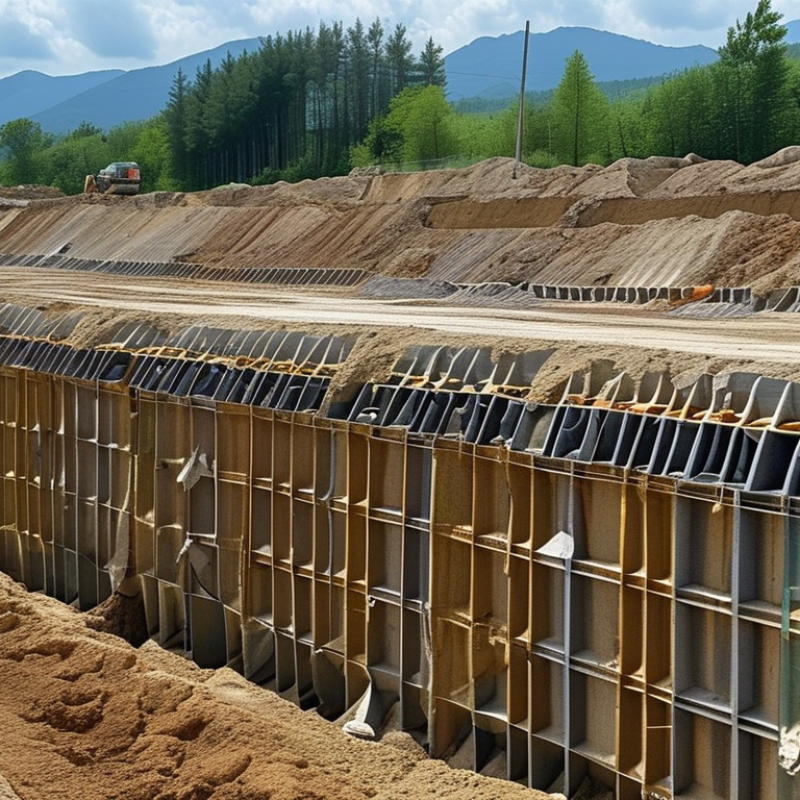
Why Choose Geo Geocell for Your Construction Projects?
Construction projects require durable and efficient materials. Geo Geocell stands out in this competitive market. This innovative product enhances soil stability and reduces erosion. When implementing Geo Geocell, construction teams can expect improved performance under load.
Many engineers have seen firsthand how Geo Geocell strengthens weak soil. It creates a three-dimensional system that confines soil within its cells. This confinement minimizes horizontal movement, supporting structures effectively. Projects can enjoy lower costs and reduced environmental impact due to less excavation.
However, it’s essential to consider the specific needs of each project. Not every site may benefit equally from Geo Geocell. Engineers must evaluate soil conditions and project requirements. Embracing Geo Geocell could redefine construction approaches, but careful planning is crucial. Reliable expertise is necessary to achieve optimal results.
Benefits of Using Geo Geocell in Construction Projects
Geo Geocell has emerged as a versatile solution for various construction projects. Its unique three-dimensional structure enhances soil stabilization, reducing the risk of erosion. This material's lightweight design makes it easy to transport and install. With its high load-bearing capacity, Geo Geocell effectively distributes weight over large areas. This property is particularly valuable in projects requiring robust support, such as road construction and retaining walls.
Utilizing Geo Geocell can also lead to significant cost savings. The installation process is less labor-intensive compared to traditional methods. Construction teams often find that they can complete projects more quickly. This efficiency can result in a reduced timeline and overall project costs. While the initial investment may vary, the long-term benefits are often substantial. It’s essential to consider the specific project needs when choosing materials.
Some challenges do exist. The effectiveness of Geo Geocell depends on soil conditions and proper installation. If not installed correctly, its performance may suffer. It’s crucial to engage experienced professionals familiar with Geo Geocell applications. This ensures optimal results and meets project expectations. As professionals navigate these variables, they enhance the reliability of their construction outcomes.
Comparison of Geo Geocell with Traditional Construction Materials
When comparing geo geocell with traditional construction materials, several factors highlight their advantages. Geo geocell is lightweight, yet incredibly strong. This material can withstand significant stress, making it suitable for various applications. Traditional materials like concrete or stone, while strong, are often heavy and cumbersome. Transporting them can increase costs and complexity.
Another critical difference lies in installation speed. Geo geocells are easy to deploy. Workers can lay them down quickly, which reduces labor costs. In contrast, traditional methods require more time for excavation and preparation. This extra time can lead to delays in project completion. The versatility of geo geocell also allows it to be used in diverse environments. It works well on slopes, soft soils, and even coastal areas.
However, the use of geo geocell isn't without challenges. Some may worry about long-term durability or its environmental impact. Traditional materials have proven lifespans, and their performance is well understood. Yet, advancements in geo geocell technology continue to address these concerns. Understanding these differences can help builders make more informed decisions about material selection.
Applications of Geo Geocell in Infrastructure and Landscaping
Geo Geocell is a versatile solution for various construction needs. Its applications span infrastructure and landscaping, proving to be invaluable. In civil engineering, it enhances soil stability and load distribution. Roads built using geocells show improved durability, reducing maintenance costs. In areas prone to erosion, geocells can provide effective reinforcement, preventing soil loss.
Landscaping also benefits significantly from Geo Geocell. It can support vegetation on slopes, allowing for greener spaces that resist erosion. This technology encourages sustainable practices while enhancing aesthetics. Whether for parks or commercial spaces, geocells create stable surfaces for walking and driving. The lightweight nature of geocell systems simplifies installation, making them a reliable choice.
However, choosing Geo Geocell isn't always straightforward. Professionals must evaluate soil types and environmental conditions. There can be unexpected challenges during installation, necessitating expertise. Proper planning and knowledge are essential to maximize its benefits. While it offers numerous advantages, it's not a one-size-fits-all solution.
Cost-Effectiveness of Geo Geocell for Long-Term Projects
Geo Geocell systems are gaining traction in construction due to their cost-effectiveness for long-term projects. These modular cells improve soil stability, thereby reducing the need for extensive earthworks. A study by the Geosynthetic Institute found that using geocell systems can result in a 50% reduction in material costs compared to traditional methods.
Additionally, the longevity of projects benefits significantly from Geo Geocell applications. With their ability to distribute loads evenly, they minimize soil erosion and prevent settlement. According to the American Society of Civil Engineers, projects utilizing geosynthetics can expect to save about 30% in maintenance costs over their lifespan. This is particularly relevant for infrastructure developments, where durability is paramount.
However, the implementation of Geo Geocell systems is not without challenges. Contractors must ensure proper installation to fully benefit from these systems. Any shortcomings in installation may lead to long-term performance issues. Proper training and adherence to guidelines are crucial in mitigating these risks. Thus, while the advantages are clear, attention to detail is essential for lasting success.
Why Choose Geo Geocell for Your Construction Projects? - Cost-Effectiveness of Geo Geocell for Long-Term Projects
| Project Type | Initial Cost ($/sq ft) | Maintenance Cost ($/year) | Life Span (years) | Total Cost Over Life Span ($) |
| Residential Area | 8.00 | 500 | 50 | 28,000 |
| Commercial Lot | 10.50 | 700 | 40 | 30,800 |
| Industrial Site | 12.00 | 1,000 | 60 | 61,000 |
| Infrastructure Project | 15.00 | 1,200 | 75 | 102,000 |
Environmental Impact and Sustainability of Geo Geocell Solutions
In construction projects, sustainability is crucial. Geo Geocell solutions stand out for their environmental benefits. These cellular structures enhance soil stability, reducing the need for concrete. By limiting concrete usage, we cut carbon emissions significantly.
Environmental impact goes beyond reduced materials. Geo Geocell products promote vegetation growth. They allow natural drainage, preventing erosion. This aspect supports local ecosystems and biodiversity. Using materials that enhance the natural environment is a practice we should consider more.
Tip: Always evaluate the local environment before choosing construction materials. Assess the potential for vegetation or wildlife. Opt for solutions that blend with the surroundings. Embracing eco-friendly options is not just a trend; it's a responsibility.
Remember that while these solutions are beneficial, they may not fit every project. Each construction site is unique. We must weigh the pros and cons before committing to Geo Geocells. Conducting thorough research ensures we make informed decisions while promoting sustainability.
Environmental Impact of Geo Geocell Solutions