How to Choose the Right Valve Lockout Chain for Your Needs?
Choosing the right Valve Lockout Chain is essential for maintaining safety in various industrial settings. According to the Occupational Safety and Health Administration (OSHA), improper lockout/tagout procedures contribute to a significant number of workplace accidents. Specifically, one in five workers experiences injuries due to inadequate isolation of hazardous energy sources. Hence, selecting the appropriate valve lockout chain is crucial to mitigate these risks.
When considering a valve lockout chain, several factors come into play. The material of the chain should be robust enough to withstand operational conditions while ensuring flexibility. For instance, chains made from nylon or tempered steel offer durability and resistance to corrosion. Additionally, the chain's length and locking mechanism must align with the specific valves used in your facility. Inadequate chain length can lead to ineffective locking and potentially hazardous situations.
Reflecting on the choices available, it becomes apparent that not every chain will suit every application. There may be a temptation to opt for cheaper options, but these may compromise safety. Evaluating brand reputation and consulting with industry experts can enhance decision-making. The goal is to create a safer work environment through effective valve lockout solutions.
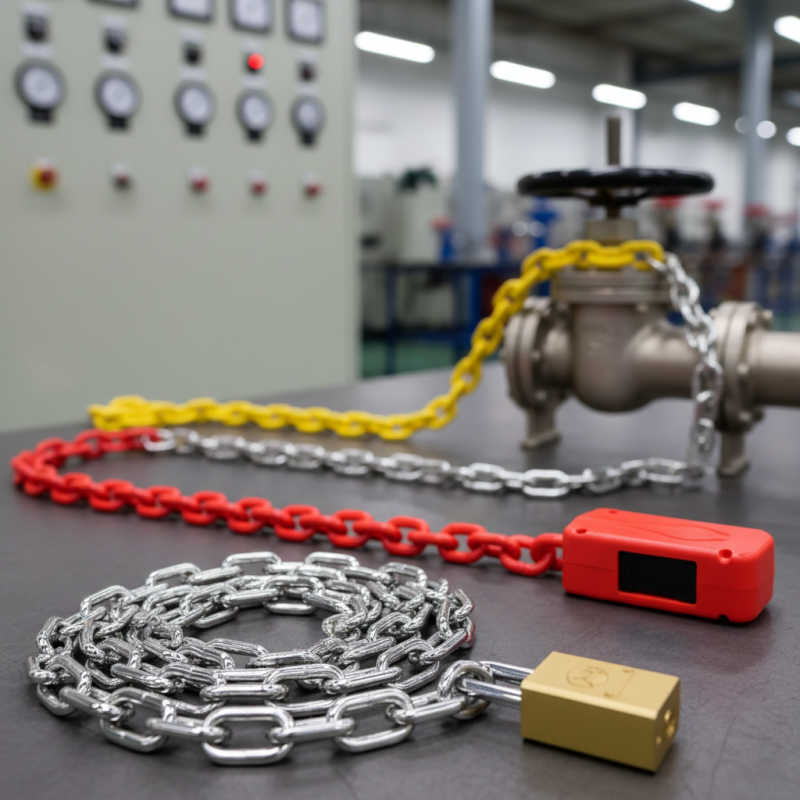
Understanding Valve Lockout Chains: Importance in Safety Protocols
Valve lockout chains play a crucial role in safety protocols. They prevent accidental operations during maintenance. When workers secure a valve, they protect themselves and others. This simple action can save lives. Yet, not all chains are created equal. Choosing the right one requires understanding their features and benefits.
Consider the material used in the chain. Durable materials resist wear and tear. They withstand harsh environments, reducing the risk of breakage. Look for options that are easily visible. Bright colors or reflective elements enhance visibility. Remember, not all settings require the same type of chain. Assess the specific risks associated with your work environment.
Training is another vital aspect. Workers must understand how to use these chains effectively. Improper use can lead to dangerous situations. Regular assessments of chain condition are essential. Chains can wear out, losing their effectiveness. Reflection and feedback from team members help improve safety protocols. Picking the right valve lockout chain is just one part of a larger safety strategy.
Types of Valve Lockout Chains: Materials and Configurations Explained
When selecting a valve lockout chain, understanding materials and configurations is essential. Chains can be made from steel, plastic, or nylon. Steel chains offer superior durability and resistance to heavy use. A 2022 industry report shows that metal chains are preferred in 65% of settings due to their strength. However, plastic chains are lighter and often used in less demanding environments. Companies must weigh the trade-offs between sturdiness and flexibility.
The configuration of the chains also plays a crucial role in effectiveness. Longer chains can secure multiple valves simultaneously. However, they may be cumbersome. On the other hand, shorter chains are easier to manage but might only lock one valve. According to safety experts, nearly 30% of lockout/tagout failures are linked to improper use of chains. This highlights the need for careful selection based on specific workplace needs.
Safety standards also demand that the chosen chain is visible. Bright colors or reflective materials enhance visibility. Yet, some organizations overlook this aspect. A survey revealed that 40% of workplaces lack proper visibility protocols for lockout tags. This not only poses risks but also leads to confusion. Prioritizing visibility is critical to maintaining safety standards in any facility.
Key Features to Look for in Valve Lockout Chains
When selecting a valve lockout chain, several key features can significantly impact safety and functionality. A robust design is essential. Chains should be made of durable materials, such as galvanized steel or heavy-duty nylon, to withstand harsh environments. According to a 2022 industry report, over 70% of workplace-related incidents stem from inadequate safety measures. Therefore, investing in a quality lockout chain can prevent potential accidents.
The length and flexibility of the chain are also crucial. A chain that is too short may not secure larger valves properly. Conversely, excessive length can lead to tangling and inefficiency. The ability to customize length can greatly enhance usability. Furthermore, consider the resistance to various chemicals. Chains that can resist corrosion and wear ensure longevity. Reports show that chains made with UV resistance can last over 50% longer in outdoor settings.
Furthermore, it's important to assess the locking mechanism itself. Many chains feature integrated locks, but not all locks are equally effective. A poorly designed lock can fail under stress. A 2020 survey revealed that 40% of safety professionals believe inadequate locking mechanisms are a primary concern. Awareness of these nuances can lead to better choices in valve lockout systems.
Industry Standards and Compliance for Valve Lockout Chains
When selecting a valve lockout chain, industry standards play a crucial role. Many facilities operate under OSHA guidelines, which stress the importance of safety practices. A recent report highlighted that over 40% of workplace incidents stem from inadequate lockout/tagout procedures. Choosing the right chain can significantly reduce these risks.
Compliance with standards like ANSI/ASSP Z244.1 ensures that lockout devices, including chains, are reliable. The materials used must withstand harsh environments, which is essential for durability. A study from the National Safety Council suggests that using compliant lockout chains can decrease accidents by 30%. These chains should be clearly marked and easy to use, promoting better adherence to safety protocols.
Attention to detail matters. Chains should be long enough to accommodate various valve sizes, yet easy to manage. Regular inspections are crucial. Chains must be free from wear or damage to maintain compliance. A breakdown in these safety systems can lead to severe repercussions, both financially and in terms of workplace safety. Evaluating the effectiveness of your valve lockout chain regularly can help in identifying potential flaws in your lockout procedures.
Best Practices for Implementing Valve Lockout Chains in Workplaces
Implementing valve lockout chains in workplaces is crucial for safety. According to OSHA, improper lockout/tagout procedures contribute to 10% of all workplace fatalities. Therefore, ensuring proper implementation can significantly reduce risks.
Training is essential. Employees must understand the importance of using valve lockout chains correctly. Regular training sessions can mitigate accidents. Include hands-on practice, as it reinforces safety protocols.
**Tips:** Always inspect chaining equipment regularly. Look for wear and tear. Establish a procedure for reporting and replacing damaged chains. Regular checkups can prevent equipment failures and potential injuries. Additionally, create a culture of safety where reporting unsafe conditions is encouraged.
Communication plays a key role in effective lockout/tagout protocols. Teams must be on the same page about locking out valves. Clear signage and labeling help reinforce safety messages. Involve employees in discussions about safety practices to improve engagement and compliance.
How to Choose the Right Valve Lockout Chain for Your Needs?
| Chain Type | Material | Length (ft) | Weight (lbs) | Ideal Use |
| Plastic Chain | Polyethylene | 10 | 1.2 | Light-duty applications |
| Steel Chain | Galvanized Steel | 20 | 4.5 | Heavy-duty applications |
| Safety Chain | Nylon | 15 | 2.0 | General safety lockout |
| Aluminum Chain | Aluminum Alloy | 25 | 3.2 | Outdoor use and high visibility |