How to Choose Rutile Titanium Dioxide Pigment for Your Needs?
Choosing the right Rutile titanium dioxide pigment can significantly impact your projects. This white pigment is renowned for its excellent opacity and durability. It is crucial for industries such as coatings, plastics, and paper. Understanding its properties and applications can guide your selection process.
Rutile titanium dioxide pigment comes in various grades and formulations. Each type offers unique benefits, affecting color performance and stability. For example, some grades enhance brightness, while others improve weather resistance. Evaluating these characteristics is essential for achieving the desired results in your application.
Moreover, the sourcing of this pigment can influence its quality and consistency. Researching suppliers and reading their specifications can illuminate the best choices. Be wary of lower-quality alternatives that may compromise your end product. A well-chosen rutile titanium dioxide pigment ensures reliability and superior performance, enhancing your overall project success.
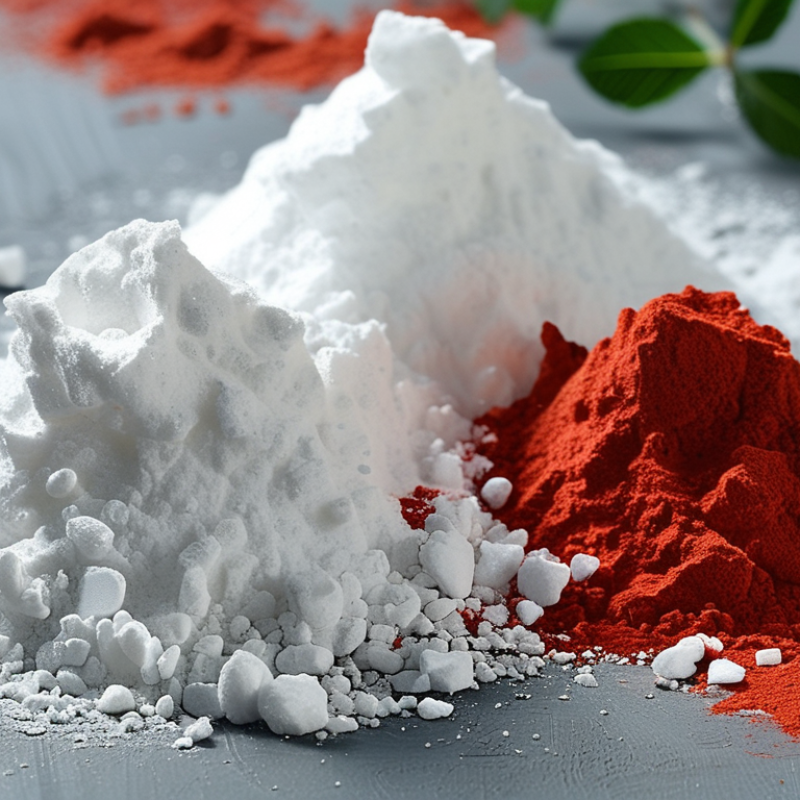
Understanding Rutile Titanium Dioxide: Properties and Applications
Rutile titanium dioxide is a high-performance white pigment. It boasts excellent opacity and brightness. This makes it ideal for various applications in paints, coatings, and plastics. The pigment’s crystalline structure enhances its light-scattering capabilities, resulting in vibrant colors and lasting stability.
Its chemical properties further contribute to its versatility. Rutile titanium dioxide is resistant to UV light and weathering. This trait makes it valuable in outdoor applications where durability is crucial. Moreover, its non-toxic nature makes it safe for use in products like cosmetics and food colorants. When selecting this pigment, consider the specific requirements of your project, such as color strength and application method.
However, it is critical to evaluate the quality of different sources. Not all rutile titanium dioxide pigments are created equal. Some may lack the desired consistency or performance. Conduct thorough research and reach out to reputable suppliers. Their expertise can guide you in making informed decisions.
Factors to Consider When Choosing Rutile Titanium Dioxide Pigment
When selecting rutile titanium dioxide pigment, several critical factors should be addressed. The pigment's opacity and brightness are essential for achieving desired color effects. Reports indicate that rutile pigments can achieve up to 98% opacity, making them ideal for paints and coatings. However, it’s important to consider variations in particle size. Smaller particles can enhance dispersion but may lead to a reduction in opacity.
Another aspect to consider is the pigment's dispersibility and stability. High-performance rutile titanium dioxide should maintain stability over time. Recent studies show that pigments with superior dispersibility can reduce the need for additional dispersants, improving overall product sustainability. Additionally, evaluating the production method—whether chloride or sulfate—is vital. Chloride-made pigments tend to offer higher purity and lower impurities but often come with a higher price tag.
Furthermore, the application environment plays a significant role. High UV conditions demand pigments with excellent lightfastness. Some formulations may not withstand such exposure, leading to premature fading. Testing under real-world conditions helps understand these nuances better. Each application presents unique challenges, necessitating careful assessment of pigment properties and compatibility with other materials in the formulation process.
How to Choose Rutile Titanium Dioxide Pigment for Your Needs?
| Factor | Description | Importance Level |
| Color Strength | Refers to the pigment's ability to provide opacity and brightness. | High |
| Particle Size | Influences the dispersion in formulations and the finish of the product. | Medium |
| Weather Resistance | Ability to withstand UV exposure and environmental factors without degrading. | High |
| Chemical Stability | Resistance to reactions with other chemicals in formulations. | High |
| Cost | Price per unit affects overall production cost and budgeting. | Medium |
| Regulatory Compliance | Adherence to safety and environmental regulations in target markets. | High |
Types of Rutile Titanium Dioxide Pigments Available in the Market
Rutile titanium dioxide pigments are popular in many industries. They offer excellent opacity and brightness. However, not all pigments are created equal. Understanding the types available can help you choose wisely.
There are various types of rutile titanium dioxide pigments. Each type is designed for specific applications. Some are best for coatings, while others excel in plastics. The particle size matters, influencing texture and appearance. Smaller particles can enhance opacity. Conversely, larger particles may provide better durability.
When selecting a pigment, consider your project’s requirements. Test different types if possible. Each application may reveal strengths and weaknesses. Aim for balance between performance and cost. Sometimes, the more expensive option may deliver better results. Careful consideration can lead to a successful outcome.
Evaluating Quality and Performance of Rutile Titanium Dioxide Pigments
When selecting rutile titanium dioxide pigments, evaluating their quality and performance is crucial. One key aspect is dispersion quality. A well-dispersed pigment provides better color consistency and opacity. This is essential in applications such as paints and coatings where appearance matters. Inspecting the pigment's particle size helps too. Smaller particles often lead to improved surface coverage but can also pose challenges in processing.
Another important factor is the pigment's resistance to environmental factors. Rutile titanium dioxide is known for its UV stability and chemical resistance. However, not all pigments are created equal. Some may fade over time or react with other materials. Testing the pigment’s durability in real-world conditions can reveal important performance insights. Pay attention to the ASTM ratings, if available. They can provide a benchmark for comparing different pigments.
Lastly, think about the source of the pigment. A reliable supplier should provide detailed specifications. Look for transparency in production processes, as this enhances trust. Without this, it’s challenging to ascertain the reliability of the pigment across its lifespan. Evaluating these factors thoughtfully can lead to a pigment choice that meets your needs effectively.
Cost Considerations and Sourcing Options for Rutile Titanium Dioxide
When considering rutile titanium dioxide pigment, cost is an essential factor. Prices can fluctuate based on quality and quantity. Higher purity grades typically command higher prices. Sustainable sourcing options might also raise costs, reflecting the growing demand for eco-friendly materials.
Evaluate your budget closely. Bulk purchasing can lead to significant savings but involves larger upfront costs. Small businesses may struggle with this initial investment. Think about long-term use versus immediate need. Smaller quantities often come at a higher price per unit, which can impact overall project expenses.
Sourcing options vary widely. Look for reputable suppliers who prioritize quality. Some vendors offer transparent pricing and guarantees. It's crucial to request samples before committing. Quality should not be sacrificed for lower costs. Consider logistics too; shipping costs can alter the final price significantly. Make informed choices that align with your specific requirements.
Cost Comparison of Rutile Titanium Dioxide Pigment Sourcing Options