2025 How to Choose the Best Plastic Storage Containers for Every Need
In an increasingly organized world, the importance of choosing the right plastic storage containers cannot be overstated. By 2025, the global market for plastic containers is expected to reach approximately $40 billion, driven by a growing demand for efficient and sustainable storage solutions across various sectors, including households, retail, and logistics. According to a report by Smithers Pira, the versatility and durability of plastic storage containers make them ideal for both personal and professional use, catering to a wide array of needs from simple home organization to complex inventory management.
When selecting plastic storage containers, one must consider factors such as size, material quality, and design features. A survey by the Association of Plastic Recyclers reveals that consumers are becoming increasingly conscious of the environmental impacts of their choices, leading to a preference for recyclable and eco-friendly options. With diverse applications ranging from garage organization to food storage, understanding the various types of plastic storage containers available can empower consumers to make informed decisions that best fit their specific needs, ensuring both functionality and sustainability in their storage practices.
Understanding Different Types of Plastic Storage Containers: A Comprehensive Overview
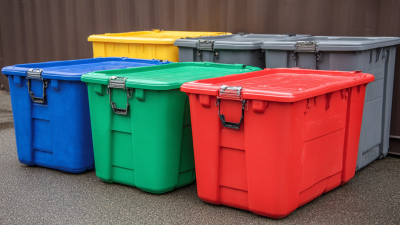
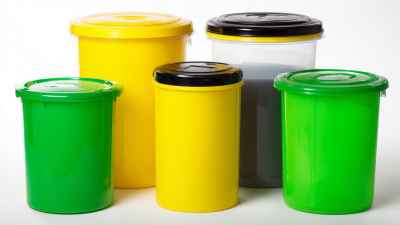
When it comes to choosing the best plastic storage containers, understanding the different types available is essential. Generally, plastic storage containers fall into three main categories: rigid containers, flexible containers, and specialty containers. Rigid containers are ideal for stacking and organizing larger items, while flexible containers can hold smaller, bulkier items and are often used in tight spaces. Specialty containers, designed for specific purposes such as food storage or tool organization, offer unique features that cater to particular needs.
**Tips:** When selecting a rigid container, look for options with secure lids to prevent spills and contamination. For flexible containers, consider those made from durable, tear-resistant materials to withstand daily wear and tear. Additionally, specialty containers often come with features like dividers or airtight seals, which enhance their functionality. Always assess your storage requirements before making a purchase to ensure you choose the right type for your needs.
Overall, understanding the unique characteristics of each type of plastic storage container will help you make informed decisions. By considering your specific storage needs and the environment in which the containers will be used, you can maximize efficiency and organization in your space.
2025 How to Choose the Best Plastic Storage Containers for Every Need
| Container Type |
Material |
Size (L) |
Best Use Case |
Price Range ($) |
| Stackable Storage Bin |
Polypropylene |
30 |
Home Organization |
15 - 25 |
| Clear Storage Box |
Polycarbonate |
22 |
Craft Supplies |
10 - 20 |
| Food Storage Container |
BPA-Free Plastic |
5 |
Kitchen |
8 - 15 |
| Toy Storage Container |
Recycled Plastic |
40 |
Children's Room |
20 - 30 |
| Portable Storage Tote |
High-Density Polyethylene |
50 |
Outdoor/Camping |
25 - 40 |
Evaluating Material Quality: The Impact of BPA-Free and Recyclable Plastics
When selecting plastic storage containers, the quality of materials used plays a crucial role in ensuring safety and longevity. One important factor to consider is whether the plastic is BPA-free. Bisphenol A (BPA) is a chemical commonly found in certain plastics, which can leach into food and beverages, potentially posing health risks. Opting for BPA-free containers not only mitigates these health concerns but also demonstrates a commitment to using safer materials in our daily lives. This is particularly important for food storage, where the integrity of what we consume relies heavily on the safety of the container used.
Another essential aspect to evaluate is the recyclability of the plastics involved. Many consumers are increasingly concerned with environmental sustainability and the impact of plastic waste. Choosing recyclable plastic containers is an effective way to reduce environmental footprints. Look for containers made from materials that are widely accepted in recycling programs, such as PET or HDPE, which can be repurposed into new products. By prioritizing both BPA-free and recyclable options, consumers can ensure they are making responsible choices that benefit their health and the planet.
Evaluating Material Quality: The Impact of BPA-Free and Recyclable Plastics
Size and Capacity Considerations: Optimal Storage Solutions for Various Needs
When selecting plastic storage containers, understanding size and capacity is crucial for optimizing storage solutions tailored to your needs. According to the Global Plastic Storage Containers Market report by Grand View Research, the container market is projected to reach $21.2 billion by 2025, driven by demand for organized and efficient storage options. This growth highlights the importance of choosing the right size to maximize both space and usability.
For everyday use, consider containers between 5 to 25 gallons, which are perfect for storing seasonal clothing, toys, or tools. Data from Statista shows that around 60% of households use plastic bins for organization purposes, indicating a strong preference for versatile sizes. For larger items such as camping gear or bulk supplies, containers exceeding 25 gallons offer ample room while ensuring durability. Manufacturers now design these larger containers with reinforced bases and locking lids, which cater to consumers' needs for sturdiness and safety in storage solutions. Ultimately, evaluating the specific dimensions and capacity of your belongings will guide you to select the best plastic storage containers for your organizational needs.
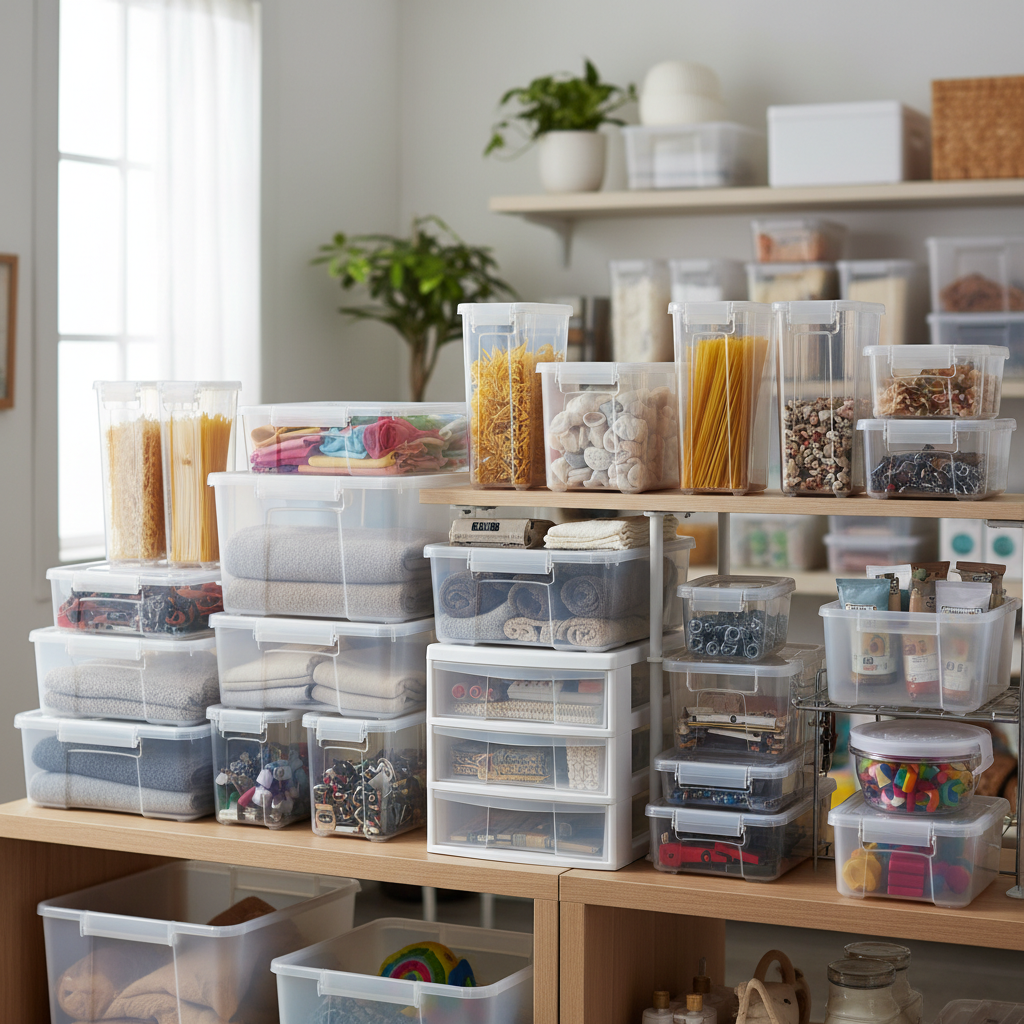
Special Features to Look For: Stackability, Lids, and Airtight Seals in Containers
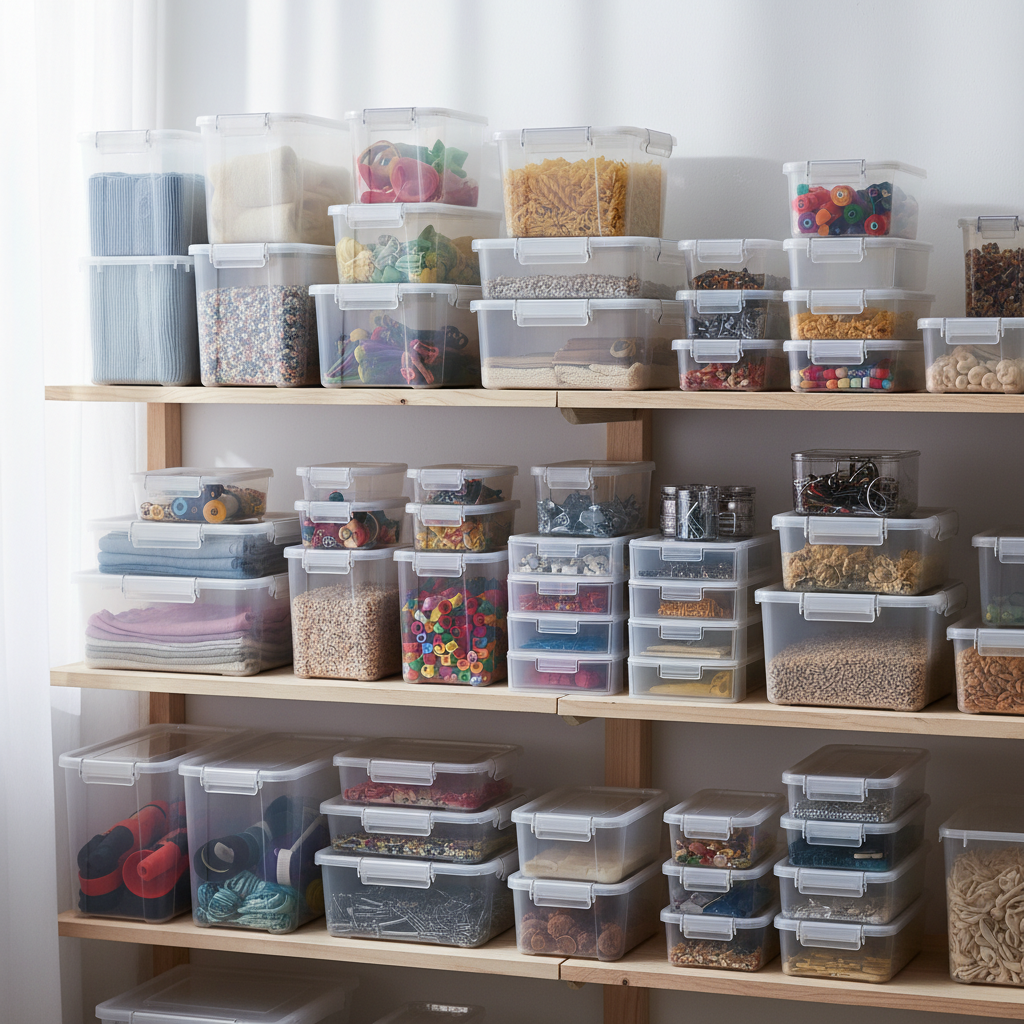
When selecting the best plastic storage containers, special features such as stackability, reliable lids, and airtight seals play a crucial role in maximizing efficiency and functionality. Stackable containers allow for vertical storage, saving valuable space in your home or office. This feature not only helps to keep your environment organized but also ensures that frequently used items remain easily accessible. Look for containers designed with interlocking systems or uniform shapes to optimize your storage solutions.
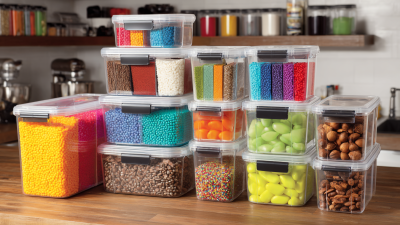
Additionally, the quality of lids is essential. A good lid should create a secure closure to prevent spills and contamination. Some lids are designed with snap-on mechanisms that guarantee tight seals, making them perfect for on-the-go storage or long-term preservation of food. Finally, airtight seals are indispensable for maintaining the freshness of perishable goods, protecting items from moisture and pests. When choosing plastic storage containers, prioritize those with robust, airtight seals that ensure your contents remain protected regardless of the environment.
Cost-Benefit Analysis: Investing in Durable Storage Solutions for Long-Term Use
When it comes to investing in plastic storage containers, understanding the cost-benefit ratio is crucial for making informed decisions. Opting for durable solutions may seem like a larger initial expenditure, but over time, these containers can save you money. Cheaper options often break or degrade, requiring replacements more frequently. A well-made, sturdy container can last for years, maintaining its functionality and aesthetic appeal while protecting your items from damage.
Tips: When selecting containers, consider features such as airtight seals and stackability. Airtight containers are excellent for preserving food and protecting against pests. Stackable designs will save space and enhance organization, making them ideal for smaller storage areas.
Additionally, while examining your choices, think about the types of materials used. High-quality plastic containers may be BPA-free and resistant to stains, ensuring a longer lifespan. Investing in such products can mitigate health concerns and also design issues related to wear and tear, benefitting both your living space and your peace of mind.