How to Choose the Best Box Food Containers for Your Needs?
Choosing the right Box Food Containers can be challenging. As John Smith, an expert in food storage solutions, states, "The best containers not only store food but enhance the eating experience." In today's busy world, we seek containers that maintain freshness and convenience. Selecting the ideal options can affect meal preparation and storage efficiency.
Consider the materials used in Box Food Containers. Some are more durable and safe than others. For example, glass options offer safety and durability, while plastic is lightweight and portable. It's also essential to think about size and shape. Not all containers fit into every refrigerator or pantry space effectively. A container that is too large may waste space, while one that is too small won't serve its purpose.
Reflecting on personal needs is critical. What meals do you plan to store? Do you need containers for leftovers or portion control? An informed choice is paramount. Your ideal Box Food Containers should fit your lifestyle and preferences. This decision influences not only organization but also your cooking and eating routines.
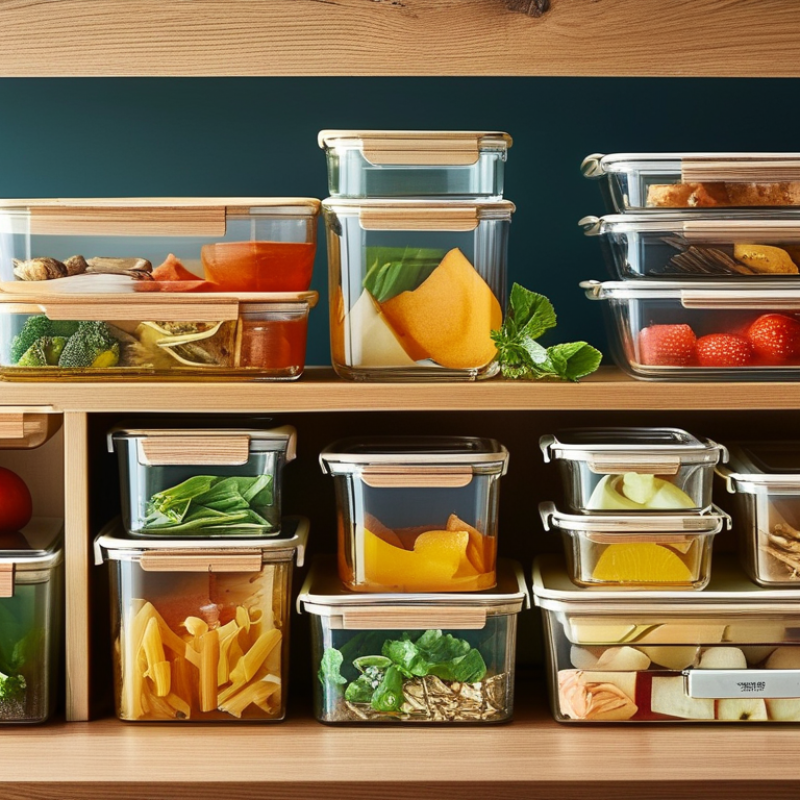
Understanding Different Types of Box Food Containers: Materials and Uses
When choosing box food containers, understanding the various types is crucial. Each material has unique properties that affect its usability. For instance, plastic containers are lightweight and affordable. However, they may not withstand high temperatures, making them unsuitable for hot foods.
Glass containers offer a more durable option. They are often microwave and oven-safe, providing versatility in the kitchen. Yet, glass can be heavy and prone to breakage. Users should consider their own handling capacity and storage space. Stainless steel containers are another popular choice. They resist corrosion and can keep food insulated. However, they may not be microwave-safe.
It's essential to reflect on your specific needs. For meal prep, consider stackable containers that save space. If you often travel, lightweight options may be better. Think about the types of food you store. Acidic foods can sometimes react with certain materials. Choose wisely to avoid unanticipated issues. Always prioritize safety and functionality in your selection process.
Key Features to Consider When Choosing Food Storage Solutions
When selecting the best box food containers, key features make a significant difference. One important aspect is material. BPA-free plastic is often recommended. Glass containers are sturdy but heavier. Stainless steel offers durability, but may lack microwave compatibility. According to a report by the National Sanitation Foundation, 70% of consumers consider safety and material as top priorities when choosing food storage solutions.
Another critical factor is size and shape. It’s essential to select containers that fit your storage space. Airtight seals are also crucial. They prevent food spoilage and waste. Research shows that nearly 30% of food waste is due to improper storage methods. The ability to stack containers can be beneficial for optimizing space. Look for containers that provide versatility in storing various food types, from liquids to solids.
Lastly, ease of cleaning is often overlooked. Some materials stain or retain odors. Consumers report frustration with containers that require excessive scrubbing. Opt for dishwasher-safe options to save time and energy. The right choice involves balancing all these features to meet your specific needs.
Evaluating Size and Capacity: Finding the Right Fit for Your Food Storage
When choosing food storage containers, size and capacity play a crucial role. Think about your typical meal prep style. Do you store large salads or individual portions? Identifying your storage needs is essential.
Consider containers that offer clear measurement markings. This will help you gauge how much food can fit inside. If you're packing lunches for kids, smaller containers may work better. For family meals, larger, stackable options can save space in the fridge.
Tips: Evaluate your fridge space before purchasing. Organizing by size aids accessibility. Keep in mind that some containers may not be ideal for all types of food. Reflect on your cooking habits; you might need a mix of sizes. Balancing functionality with space-saving design can enhance your food storage experience.
Safety Standards and BPA-Free Options for Food Containers
When selecting food containers, safety should always be a priority. BPA, or Bisphenol A, is a chemical often found in plastic containers. It can leach into food, especially when containers are heated. This poses potential health risks. Many manufacturers are now emphasizing BPA-free options. These alternatives provide peace of mind for health-conscious consumers.
Understanding safety standards is crucial. Look for certifications that verify the container's safety for food use. Not all plastics are created equal. Containers made from materials like glass, stainless steel, or certain types of plastic are considered safer. They don’t react with food or release harmful substances. However, some BPA-free plastics may still contain other chemicals that could be harmful.
Translucent containers are popular for storing leftovers. They allow you to see the contents easily. However, be cautious with colored ones. The dyes may contain harmful chemicals. It's essential to research and select wisely. This thoughtful approach can help ensure your food storage choices are both safe and effective.
How to Choose the Best Box Food Containers for Your Needs?
This chart shows the comparison of safety standards and BPA-free options available for different types of food containers. The data reflects the percentage of each type that meets the safety criteria.
Cost vs. Quality: Investing Wisely in Durable Food Storage Solutions
When choosing food storage solutions, cost versus quality becomes essential. Many people fall into the trap of selecting the cheapest options. While these containers might save you money initially, they often lack durability. Low-quality materials can lead to leaks or spills. Frustration can mount when food is wasted due to poor storage. Investing in higher-quality containers can pay off in the long run.
Durable containers provide better protection for your food. They resist wear and tear, maintaining their integrity over time. This longevity means fewer replacements and lower overall costs. However, consumers must balance their budgets. Sometimes, higher upfront costs can deter people from buying what they truly need. Trying to save money might lead to regrets later. You might buy several cheap containers that break easily instead of one sturdy option that lasts.
Understanding your specific needs is crucial. Consider how often you meal prep or store leftovers. Are you looking for airtight seals or microwave-safe designs? These factors play a role in determining whether to prioritize cost or quality. Reflect on your habits and preferences. Avoid rushing the decision. Investing wisely can transform your food storage experience.
How to Choose the Best Box Food Containers for Your Needs? - Cost vs. Quality: Investing Wisely in Durable Food Storage Solutions
| Container Type | Material | Capacity (Liters) | Price ($) | Durability Rating (1-5) |
| Plastic Food Container | Polypropylene | 1.5 | 10 | 3 |
| Glass Food Storage | Borosilicate Glass | 2 | 15 | 5 |
| Stainless Steel Container | 304 Stainless Steel | 1.2 | 20 | 4 |
| Silicone Food Bag | Food-grade Silicone | 1.0 | 12 | 4 |