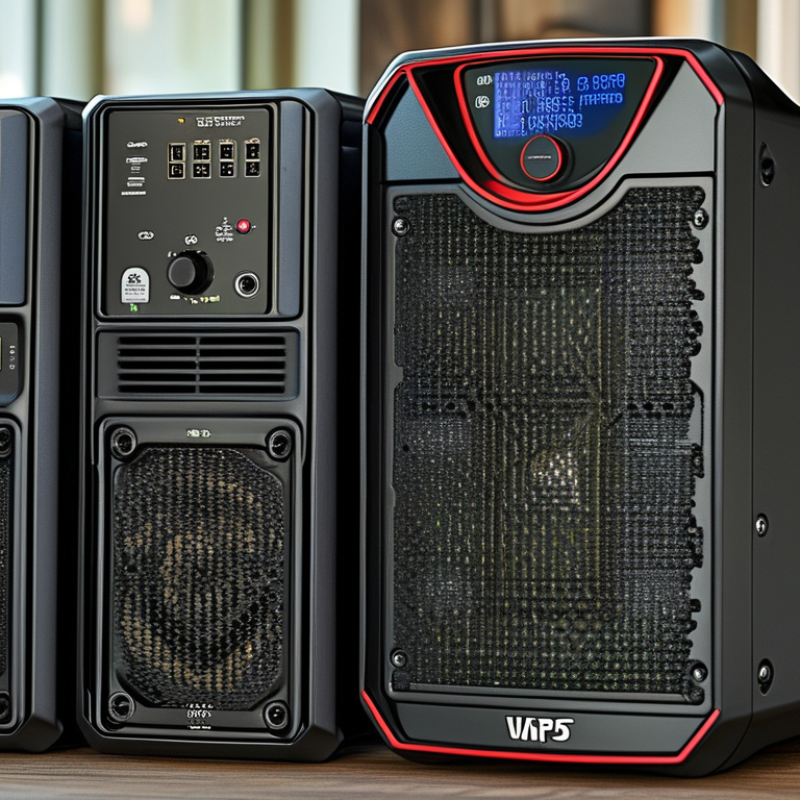
How to Choose the Best Inverter UPS for Your Needs?
Choosing the best Inverter Ups for your needs is crucial in today’s power-sensitive world. Renowned expert in power systems, Dr. Angela Roberts, emphasizes, "An effective Inverter UPS should seamlessly integrate into your lifestyle." Her advice highlights the practical aspects that many overlook.
When exploring Inverter UPS options, consider your power requirements. Evaluate the appliances you want to keep running during outages. The right Inverter UPS must match your specific needs. It should protect sensitive devices while being easy to use. Remember, cost isn’t the only factor. Reliability and efficiency play significant roles too.
Reflect on your choices. A less trusted Inverter UPS might fail at critical times. Investigate reviews and seek expert opinions to ensure reliability. Don’t rush into a decision. Taking the time to understand your options leads to better choices that ensure uninterrupted power supply.
Understanding Inverter UPS: Functionality and Types
Inverter uninterruptible power supplies (UPS) play a crucial role in ensuring a steady power supply during outages. Understanding their functionality is vital. An inverter UPS converts stored battery energy into AC power, feeding it to connected devices. This process allows for continuous operation and protects sensitive equipment from voltage fluctuations, which can lead to damage.
There are several types of inverter UPS systems. Line-interactive models offer voltage regulation without switching to battery mode. This helps in managing minor fluctuations effectively. On the other hand, online UPS systems provide the highest level of protection by using a double conversion process, thus ensuring zero transfer time. According to a report by MarketsandMarkets, the global UPS market is expected to reach $12 billion by 2026, highlighting the increasing reliance on these systems.
Different applications require different sizes and features in an inverter UPS. For instance, home users may prioritize runtime and capacity, while businesses focus on scalability and maintenance options. However, selecting the wrong type can lead to inefficiencies and increased costs. Adequate assessment of power requirements is essential, as undersized systems can fail during peak loads, compromising equipment safety.
Assessing Your Power Requirements for UPS Selection
When choosing an inverter UPS, understanding your power requirements is crucial. A survey from the Global Data Institute indicates that around 30% of businesses underestimate their power needs. This oversight can lead to inadequate backup systems that fail during outages. Assessing your essential devices is key. Identify all critical equipment, including computers, routers, and medical devices. Calculate their wattage demands to ensure your UPS can handle the load.
Consider running time as well. A report by Tech Insights highlights that approximately 25% of users experience short UPS runtimes, which can disrupt operations. Each device consumes varying amounts of power. For example, high-performance servers can need over 1,500 watts, while a standard workstation might only require 300 watts. Accurate calculations will prevent choosing a UPS that can't support your needs, especially during prolonged outages.
Lastly, review any potential future expansions. Many users forget that power demands can grow. Planning for additional devices now can save you time and money later. Always remember, a UPS is not a one-size-fits-all solution. Tailor your choice to fit your specific requirements, keeping in mind potential challenges and growth. This level of analysis ensures reliable and uninterrupted power supply.
Key Features to Look for in an Inverter UPS
When selecting an inverter UPS, understanding its key features is essential. Battery capacity plays a crucial role. A higher capacity means longer run time during power outages. This affects how many devices you can power. Make sure to account for your equipment's total wattage.
Next, look at the inverter's transfer time. This is the time it takes to switch from grid power to battery power. A shorter transfer time reduces disruptions. Ideally, it should be less than 10 milliseconds for sensitive electronics.
Also, check the number and type of outlets. Ensure the outlet configuration suits your devices. Some models offer USB ports for added convenience, which can be beneficial. Lastly, monitor any maintenance needs. Some units require regular battery checks. Reflect on how much effort you’re willing to invest. Balancing features with your specific requirements will guide you to the right choice.
How to Choose the Best Inverter UPS for Your Needs? - Key Features to Look for in an Inverter UPS
| Feature | Description | Considerations |
| Power Rating | The maximum load the UPS can handle, typically measured in VA or watts. | Ensure power rating meets or exceeds your equipment requirements. |
| Battery Backup Time | Duration the UPS can supply power during an outage. | Choose based on your needs for downtime; longer is better. |
| Output Waveform | Type of voltage waveform produced, such as sine wave or square wave. | Pure sine wave is ideal for sensitive electronics. |
| Number of Outlets | Total outlets to plug devices into the UPS. | Ensure enough outlets for all devices; consider spacing for larger plugs. |
| Form Factor | Physical size and design of the UPS. | Consider placement and space availability in your setup. |
| Noise Level | Sound emitted by the UPS during operation. | Lower noise is preferred, especially for home or office use. |
| Overload Protection | Safety feature that protects against excessive load. | Essential for preventing damage to the UPS and connected devices. |
Comparative Analysis of Brands and Models
Choosing the right inverter UPS can be overwhelming. Many brands offer various models, each with unique features. When comparing options, consider power capacity, efficiency, and battery life. Some models excel in providing backup power during outages. Others focus on energy efficiency, which can save costs over time.
Durability is another critical factor. High-quality brands often provide warranties, reflecting their confidence in the product. Users frequently report experiences with different brands. Some complain about service and spare parts availability, which is essential for long-term use. Reading user reviews helps gauge reliability.
Lastly, voltage regulation matters. A steady output protects sensitive devices from damage. Many models come with built-in protections, but some might lack essential features. It's crucial to weigh these aspects based on individual needs and budget. Choosing the right inverter UPS requires careful thought and research.
Maintenance Tips for Long-term UPS Performance
Maintaining your inverter UPS is crucial for reliability and longevity. Regular checks can prevent unexpected failures. Start by ensuring the unit is kept clean and dust-free. Dust can block vents and cause overheating. A soft cloth with mild detergent works well for cleaning.
Battery health is vital. Inspect it every few months for swelling or corrosion. If you detect any issues, consider replacing the battery. Proper charging cycles are important too. Avoid letting the battery completely discharge frequently. This habit may shorten its lifespan dramatically.
Additionally, perform a self-test regularly. Many UPS units have built-in diagnostic features. Running these tests can highlight potential problems early. Document any irregularities you find during maintenance checks. Noting patterns can help you anticipate future issues. All these steps require diligence, but the payoff is a more reliable power backup system.
Inverter UPS Performance Over Time