How to Choose the Best Offset Press Ink Tank for Your Needs?
Choosing the right Offset Press Ink Tank can be a daunting task. The market offers various options, each with unique features that meet different printing needs. According to a report by Smithers Pira, the global market for offset press inks is anticipated to reach $4.05 billion by 2025. This data underscores the importance of selecting the right ink tank for efficiency and print quality.
Expert Chris Edwards, a seasoned professional in the printing industry, states, “The right Offset Press Ink Tank can enhance color vibrancy and reduce waste.” His insights highlight the critical role of ink quality in achieving optimal printing results. With varying viscosity, drying speed, and compatibility, understanding these factors is essential for making an informed decision.
There are common pitfalls that buyers face. Many overlook the specific requirements of their press, leading to compatibility issues. Also, some ink tanks may not provide the coverage needed for certain print jobs. Evaluating factors such as substrate type and print volume ensures a more tailored choice. Attention to these details not only saves money but also enhances overall print performance, ultimately leading to greater customer satisfaction.
Understanding the Basics of Offset Press Ink Tanks
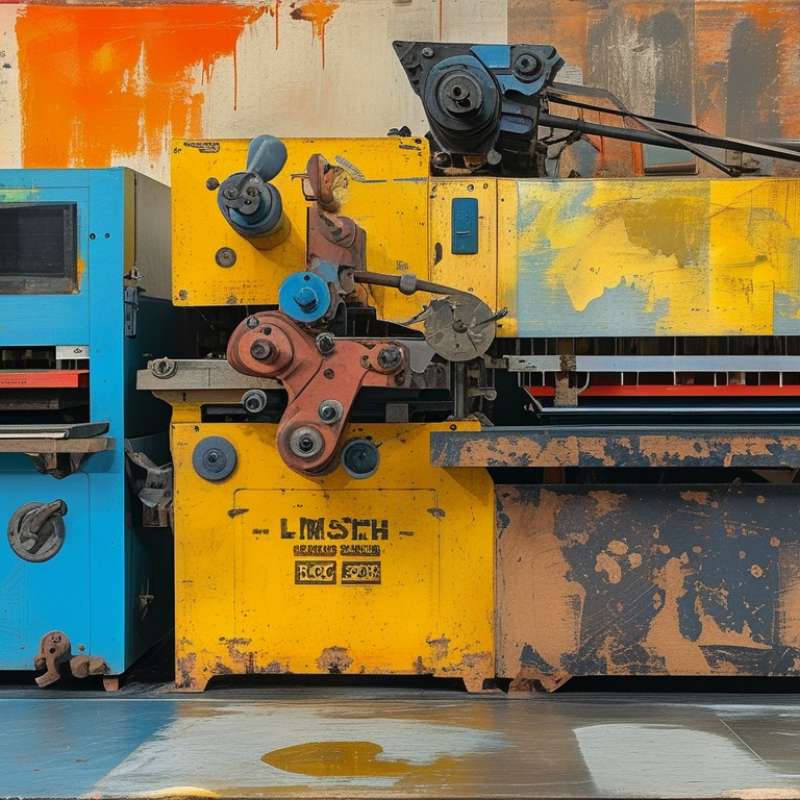
Choosing the right offset press ink tank requires an understanding of the basics. Offset printing is a complex process, relying heavily on the ink's quality and consistency. An ink tank plays a crucial role in delivering the right amount of ink to the printing plate. It is important to know the different components of an ink tank and how they work together.
Factors like tank capacity, material, and design impact performance. The tank's capacity affects how often you need to refill it, directly influencing productivity. Materials also matter; some ink tanks handle specific types of ink better than others. When evaluating an ink tank, consider its compatibility with your press type.
Awareness of your specific printing needs is essential. Do you print large volumes or intricate designs? Heavy use may require a tank with a larger capacity. A detailed understanding of the tank’s design can help maximize the efficiency of your operations. Inks may differ in viscosity, impacting flow rates and print quality. Sometimes, choosing an ink tank isn’t straightforward, and it can require adjustments for optimal results.
Identifying Your Printing Needs and Requirements
Identifying your printing needs is crucial for selecting the right offset press ink tank. Start by assessing the types of materials you typically print on. Are they glossy papers or textured card stocks? This choice affects the ink types you should consider. Different inks interact uniquely with various substrates. For instance, certain inks work better on absorbent surfaces while others are ideal for non-porous materials.
Next, think about your color requirements. Do you use spot colors or full-color processes? Spot colors may need specialized inks that deliver precise hues. Full-color printing often requires a broader ink selection to achieve vibrant results.
In addition to this, consider your production volume. Higher volumes may necessitate larger ink tanks to minimize downtime. However, if you print small batches, smaller tanks could suffice, provided they are easy to swap out.
Don't overlook the environmental impact of your choices. Some inks are more eco-friendly than others. If sustainable printing is a priority, seek options that align with eco-friendly standards. Reflect on the potential waste of incompatible inks and materials; choosing wisely can reduce excess costs. Balancing quality, cost, and sustainability will help you narrow down your selection effectively.
Evaluating Different Types of Ink Tanks Available
Choosing the right offset press ink tank hinges on understanding the various types available. Different tanks cater to distinct printing needs and applications. Some are designed for high-volume printing, while others focus on quality and precision. It’s essential to assess your specific requirements before making a decision.
When evaluating options, consider factors like ink viscosity, drying time, and color vibrancy. A tank that offers quick-drying ink might be beneficial for fast-paced jobs. Conversely, if color accuracy is crucial, opting for a tank that emphasizes pigment quality can make a significant difference.
Tips: Always check compatibility with your press. Using improper ink can lead to poor print quality and damage. Trial and error may be part of the process. Keep in mind that even the best analytics may not guarantee the perfect choice. Document your experiences to refine your selection over time. Balancing cost and quality often requires a careful approach.
Key Features to Look for in an Ink Tank
When selecting an offset press ink tank, certain features can significantly impact performance and efficiency. One critical aspect is the capacity of the ink tank. A larger capacity can reduce downtime for refills, which is especially important in high-volume print environments. According to industry data, printers can increase productivity by up to 30% when using tanks that provide extended run times.
Another essential feature to consider is the ink quality. High-quality inks ensure vibrant colors and consistency, which is crucial for professional results. Reports indicate that up to 70% of print failures stem from inferior ink quality. Therefore, opting for tanks with inks formulated for specific substrates can lead to better adhesion and overall print quality.
Ease of use is often overlooked but is vital. An ink tank with a user-friendly design simplifies maintenance and reduces the likelihood of errors during setup or operation. Investigating customer reviews can provide insights into their experiences with different ink tank systems. These reflections can highlight areas where improvements are still needed in product design, revealing gaps in user satisfaction that should be addressed for optimal performance.
Comparing Costs and Quality for Optimal Value
Choosing the best offset press ink tank often hinges on balancing cost against quality. Many printers seek the most affordable ink solutions. However, cheaper options may compromise quality. High-quality inks deliver richer colors and better durability, which can enhance print quality. Thus, it's crucial to assess how these factors align with your specific printing needs.
When comparing costs, consider long-term value. An ink tank that appears less expensive may result in higher overall costs due to frequent replacements or subpar print outcomes. Investigate the yield of each ink option. Determine how many prints you can achieve before a refill is necessary. This will provide clarity on the unit price over time.
Tips: Always request samples to evaluate print quality before making a purchase. Don’t hesitate to rely on industry reviews or case studies. Look for feedback from experienced users who share their insights on various ink types. It’s essential to learn from others' experiences, as they can highlight potential issues or benefits you might overlook.