How to Choose Flexible PCBs for Your Electronics Projects?
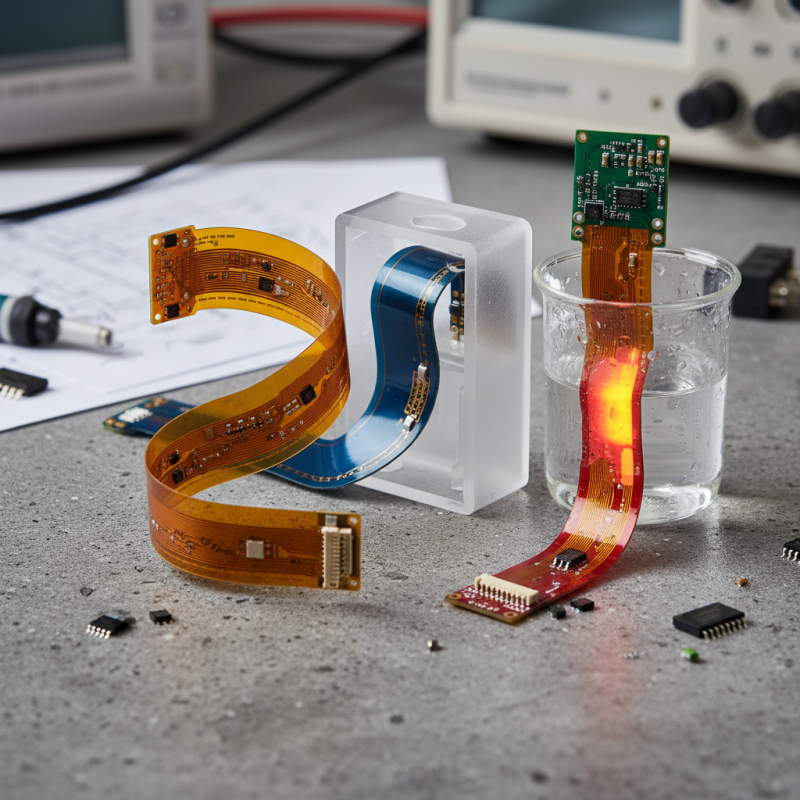
Choosing the right Flexible Pcbs is crucial for your electronics projects. These materials offer unique advantages. They can bend and twist, fitting into tight spaces. This flexibility opens doors for creative designs. However, not all flexible PCBs are the same.
When selecting flexible PCBs, consider your project needs. Think about the environments they will operate in. Will they face high temperatures or moisture? Different materials perform better under various conditions. Make sure to research the specifications.
Also, cost is a significant factor. Quality flexible PCBs can be an investment. Sometimes, cheaper options may not provide the best performance. Evaluate the trade-offs carefully. Look for reliable suppliers and read reviews. Testing prototypes can be beneficial to ensure functionality before full production.
Understanding Flexible PCBs and Their Applications in Electronics
Flexible PCBs are revolutionizing electronics design. They offer unique benefits, particularly in compact and intricate applications. These circuit boards can bend and fold without losing functionality. This flexibility allows for innovative designs that traditional rigid boards cannot achieve.
When choosing a flexible PCB, consider its material. Different materials affect durability and performance. Polyimide is common for its heat resistance. However, it can be more expensive. Thickness is another crucial factor. Thinner boards can fit into tighter spaces but may compromise strength.
Applications of flexible PCBs are vast. They are used in medical devices, wearables, and smartphones. Engineers often face challenges, such as handling them during assembly. Proper handling is essential to avoid damage. Testing prototypes thoroughly is always necessary. Each project has unique needs. Reflecting on past choices can lead to better outcomes in future designs.
Key Factors to Consider When Choosing Flexible PCBs
When choosing flexible printed circuit boards (PCBs) for electronics projects, several key factors deserve attention. Material type is critical. Common materials include polyimide and polyester. Polyimide offers superior heat resistance, while polyester is cost-effective. According to a report by IPC, the material composition can greatly affect performance and lifespan.
The dimensions and bend radius are also important. Consider the available space in your designs. A tighter bend radius can enable more complex layouts. However, it can also lead to potential failure points. One recent study showed that improper design choices can result in a failure rate increase of up to 30%. This is a significant risk for projects that demand reliability.
Lastly, the intended application plays a key role in selection. Different applications require unique specifications. High-frequency applications may need specific dielectric materials. Yet, many engineers overlook these nuances. It’s essential to choose wisely. This avoids costly redesigns later. Missed details can haunt a project, leading to increased costs and delays.
Flexible PCBs Usage in Different Industries
Material Options for Flexible PCBs: Pros and Cons
Choosing the right materials for flexible PCBs is crucial for electronics projects. Different materials come with distinct advantages and drawbacks. For instance, polyimide film is popular for its high thermal stability. It can resist temperatures up to 200°C, making it ideal for harsh environments. However, it also tends to be more expensive than other materials.
Another option is polyester, which is lighter and more affordable. This material offers decent flexibility but has lower thermal resistance, only handling about 100°C. Users often find they need to trade performance for cost. This can be a tough decision. Reports indicate that 40% of projects face setbacks due to material choices alone.
Copper foil serves as the conductive layer in flexible PCBs. The thickness of copper can impact the circuit's performance. Thicker copper may provide better conductivity but can increase rigidity. Striking the right balance is essential here. Research shows that 30% of designers prioritize flexibility over conductivity, which can lead to underperforming prototypes. Choosing materials that cannot meet project demands can result in future design flaws, generating unnecessary expenses.
Design Considerations for Your Flexible PCB Layout
When designing flexible PCBs, layout considerations play a crucial role. A well-thought-out design can enhance performance and reliability. Flexible PCBs can bend and twist, but this flexibility also introduces challenges. The minimum trace width should be at least 0.1 mm to prevent fractures during movement. Keep in mind that each material has its own unique properties. This affects the overall life cycle of the PCB.
Incorporate multiple vias into your design carefully. While they may help in routing, too many can weaken the structure. Choose materials that can endure bending stress. Dielectric materials like polyimide are often preferred for their durability. According to industry reports, over 70% of failures in PCB connections stem from poor design layouts.
Tips: Ensure the layout adheres to recommended manufacturing guidelines. Avoid sharp bends; use gradual curves instead. Maintain a balance between flexibility and solderability. Sometimes, disregarding these elements could lead to costly failures in your project. Remember, a flexible PCB is versatile but requires precise planning.
Cost Implications and Budgeting for Flexible PCB Projects
Choosing flexible PCBs for electronics projects involves understanding cost implications and budgeting effectively. The main expense will be the materials and manufacturing processes. Flexible PCBs often cost more than traditional rigid boards. The design complexity and volume can also impact pricing. Small runs may have higher per-unit costs due to setup fees.
Tip: Always get quotes from multiple manufacturers. This allows you to compare costs and materials. Look for hidden charges. Some manufacturers may charge for prototypes or testing. Understanding these fees helps in budgeting accurately.
Consider your project's scale. Large production runs typically reduce the cost per unit. However, investing in flexibility can lead to unforeseen expenses. Be realistic about your expectations. Sometimes, a compromise between flexibility and cost is necessary.
Tip: Plan for unexpected costs. Sometimes prototypes don’t work as intended. Factor in additional design iterations or potential reworks. This can affect your overall budget. Being prepared will keep your project on track.
How to Choose Flexible PCBs for Your Electronics Projects? - Cost Implications and Budgeting for Flexible PCB Projects
| Parameter | Description | Cost Implication | Budgeting Tips |
| Material Type | Polyimide, PET, etc. | Higher-quality materials increase cost | Select based on project requirements |
| Layer Count | Single-layer to multi-layer | More layers add to production costs | Keep it simple unless necessary |
| Special Features | Flexibility, thickness, durability | Enhanced features may raise the price | Assess the actual need for features |
| Production Volume | Prototyping vs. mass production | Bulk orders often reduce per-unit cost | Balance between initial costs and savings |
| Lead Time | Time from design to delivery | Faster production can incur extra fees | Plan ahead to avoid rush fees |