585.204.6770
sale@sanblueplastics.com
Your Source for Trays!
Choosing foam inserts for boxes is a small engineering decision with a large customer impact. A loose product can arrive scratched, cracked, or disappointingly noisy. A properly fitted insert keeps each item centered, separated, and easier to inspect when the box opens.
The global parcel market reached about 161.8 billion shipments in 2023, according to Pitney Bowes’ 2024 Parcel Shipping Index. More parcels mean more vibration, stacking pressure, drops, and temperature changes. Smithers’ protective packaging research also identifies e-commerce growth and damage prevention as important market drivers. These reports show demand, but they do not choose the right foam for your product. That part needs testing.
Dr. Jay Singh, a packaging engineering professor at California Polytechnic State University, describes the purpose clearly: “A package must protect the product through the distribution environment.” His point matters when selecting foam inserts for boxes. Foam density alone is not enough. Consider product weight, fragile surfaces, compression recovery, moisture exposure, and available cavity space. Test the actual packed box, not only a foam sample.
Start with the product’s weak points.
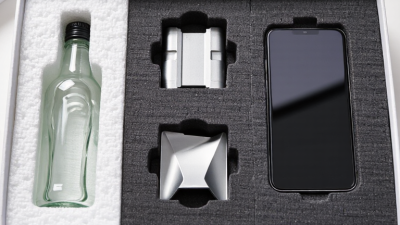
A glass bottle may need soft contact surfaces and firm side support. A metal tool may require higher compression resistance. Custom-cut polyethylene foam can offer durable cushioning, while polyurethane foam may suit lighter products and presentation-focused packaging. However, assumptions can fail. A beautiful insert may hold poorly after repeated handling. Even published data can vary by region, foam grade, and test method. Use ISTA testing where appropriate, record failures honestly, and revise the design before scaling production.
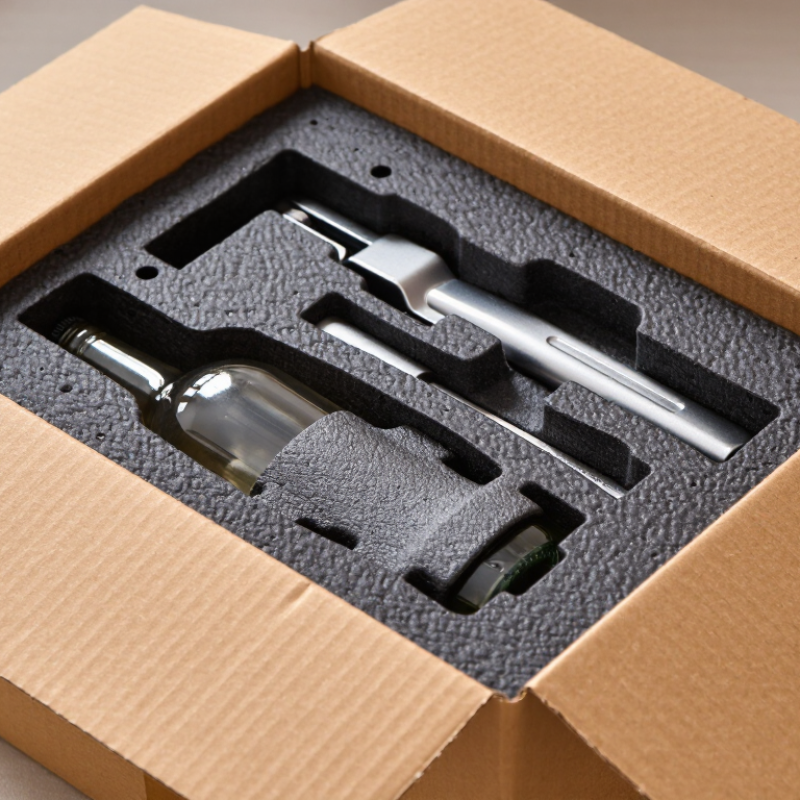
Start with the product, not the foam. Record its weight, dimensions, center of gravity, fragile points, and allowable cosmetic damage. A glass instrument may tolerate compression but fail after one corner impact. A coated surface may need soft contact faces. Test the real product, including accessories and cables.
Shipping volume changes the risk profile. The Pitney Bowes Parcel Shipping Index reported approximately 161 billion parcels worldwide in 2022, with continued growth forecast through 2027. More handling points can mean more drops, vibration, and stacking pressure. Define the expected route, carrier environment, shipment orientation, and climate exposure before choosing an insert. Do not assume “fragile” is a complete requirement.
Translate those conditions into measurable targets. Use ASTM D4169 or ISTA procedures to evaluate drop, vibration, compression, and atmospheric effects. Select foam density and thickness according to impact energy, not appearance. A dense foam is not automatically safer. It may transmit force or add unnecessary weight. The U.S. Environmental Protection Agency reported 82.2 million tons of containers and packaging in municipal solid waste for 2018, showing why material efficiency deserves attention. Right-size the cavity, but leave enough clearance for compression and manufacturing variation.
A practical trial uses three packed samples. Inspect contact marks, product movement, and permanent foam deformation after testing. Then repeat the test with a slightly imperfect pack. Real shipments are rarely perfect. That uncomfortable result may reveal the requirement you missed.
Choosing foam inserts begins with the product, not the box. Measure its length, width, height, and fragile points. Then consider weight, surface finish, and expected handling conditions. A glass instrument needs gentle support around edges and controlled space beneath it. Heavy metal parts need denser foam that resists compression. Do not fill every gap automatically. Too much pressure can damage delicate surfaces.
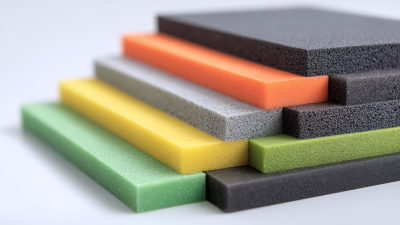
Polyethylene foam offers firm support and good moisture resistance, making it suitable for heavier items. Polyurethane foam feels softer and conforms well to irregular shapes, but it may compress more easily over time.
Expanded polyethylene or molded foam can provide repeatable cavities for products shipped frequently. For sensitive electronics, choose cushioning with static-control properties and verify its performance through testing.
Foam density matters, but density alone does not predict protection. Thickness, cell structure, cavity depth, and product weight work together.
A practical test uses a packed sample, corner drops, vibration, and repeated opening.
Inspect the product, not only the foam, after each test. Look for scuffs, shifted parts, crushed corners, or permanent impressions. I have seen inserts pass a gentle drop yet fail after vibration loosened the product. That result deserves a redesign.
Cutting tolerances also need attention; an overly tight cavity slows packing and creates stress. An overly loose cavity allows movement. Review the fit with packaging staff, because a technically sound insert may still feel awkward in daily use.
Choosing foam inserts starts with accurate box measurements. Measure the inside length, width, and depth, not the outside shell. Record each dimension at several points because corrugated walls can vary slightly. Check lid clearance too. A foam layout that fits the base may press against the lid. Use a rigid ruler or digital caliper for smaller boxes. Keep a written measurement sheet. Small errors become visible later.
Map the product before cutting foam. Measure its longest points, protrusions, handles, and fragile surfaces. Add clearance based on movement, foam recovery, and product weight. Heavy items need deeper support and wider load areas. Delicate finishes need softer contact zones. Do not assume one tolerance fits every product. My early inserts were too tight around corners, leaving pressure marks after vibration testing. That mistake changed my process. I now create a full-size paper template before cutting foam. It reveals awkward cavities cheaply.
Design cavities with rounded corners and slight finger access. Keep enough material between cavities to prevent tearing. Place support under strong structural areas, never thin panels or controls. Test the insert inside the actual box. Shake it gently, rotate it, and inspect contact points afterward. Then test the packed box through repeated handling conditions. Foam can compress, shift, or recover unevenly. Recheck the fit after storage. Precision is not only a perfect drawing. It is a measured fit that survives real handling, even when the first design seems convincing.
Practical sizing guide for selecting foam thickness, clearance, density, and insert tolerances based on the packed product and shipping conditions.
| Case | Measured Box and Product | Foam Insert Design | Shipping Readiness | |||||||
|---|---|---|---|---|---|---|---|---|---|---|
| Box Internal Size L × W × H |
Product Size L × W × H |
Product Weight | Recommended Foam | Foam Density | Protective Wall | Product Cavity Tolerance |
Top and Bottom Clearance |
Fit-Test Result | Design Recommendation | |
| 1 | 300 × 220 × 120 mm | 260 × 180 × 75 mm | 0.8 kg | Cross-linked polyethylene foam, closed-cell | 33–45 kg/m³ | 20 mm | ±1.5 mm | 15 mm above and below | Secure; no movement after manual shake test | Suitable for small electronic equipment and accessories. |
| 2 | 420 × 300 × 180 mm | 360 × 240 × 120 mm | 2.5 kg | Polyurethane foam, convoluted top layer with flat base | 28–35 kg/m³ | 25 mm | ±2.0 mm | 25 mm above and below | Secure; product remains centered | Use a shaped cavity and a separate lid pad to reduce vibration. |
| 3 | 500 × 350 × 220 mm | 430 × 280 × 150 mm | 5.0 kg | EVA foam, die-cut or CNC-machined | 45–65 kg/m³ | 30 mm | ±2.0 mm | 30 mm above and below | Secure; no contact with box walls | Recommended for heavier products requiring higher compression resistance. |
| 4 | 650 × 450 × 300 mm | 560 × 360 × 210 mm | 8.0 kg | High-density polyethylene foam with reinforced corner blocks | 35–55 kg/m³ | 35 mm | ±2.5 mm | 35 mm above and below | Secure; corner impact areas fully supported | Add corner support where the product has concentrated weight or protrusions. |
| 5 | 250 × 180 × 100 mm | 210 × 140 × 55 mm | 0.35 kg | EVA foam, 2-layer tray with accessory pockets | 35–55 kg/m³ | 15 mm | ±1.0 mm | 12–15 mm above and below | Secure; accessories separated from main item | Use separate cavities to prevent accessory-to-product contact. |
| 6 | 380 × 280 × 160 mm | 320 × 220 × 100 mm | 3.2 kg | Cross-linked polyethylene foam with laminated surface | 45–60 kg/m³ | 25–30 mm | ±1.5 mm | 25 mm above and below | Secure; surface protection maintained | Use a non-abrasive liner when the product has a painted or polished finish. |
| Measurement rule: Measure the box by its usable internal dimensions, then measure the product at its widest, longest, and highest points, including handles, knobs, caps, and other protrusions. Reserve additional clearance for fragile surfaces, vibration, and expected handling conditions. Before production, confirm the design with a physical fit test and a representative drop or vibration test. | ||||||||||
How to Choose Foam Inserts for Boxes for Shipping
Match Insert Features to Handling and Environmental Risks
Choosing a foam insert starts with the journey, not the product catalog. A parcel may face drops, vibration, compression, and rough transfers. I have seen a well-fitted item arrive scratched because the insert protected movement but ignored surface friction. Measure the product carefully, then allow a small clearance for easy placement without creating unwanted motion.
For drop-heavy shipping, use foam with enough shock absorption and recovery. Corner blocks and deeper cavities help distribute impact forces. For vibration, the insert should hold the item firmly without pressing delicate surfaces. Heavy products need stronger support beneath their load points. Thin foam can collapse over time. That failure is easy to miss during a short inspection.
Environmental risks also change the specification. Closed-cell foam can resist moisture better in humid storage areas. Anti-static materials may suit sensitive electronic components. Temperature changes can alter foam flexibility, so test samples under realistic conditions. Avoid relying on a single laboratory drop test. Ship a trial package through normal handling channels and inspect movement, scuffing, and compression afterward. My own designs have improved after these imperfect trials; the first solution is not always the safest one. Check fit again after repeated opening, because a cavity may widen or lose support.
Match insert features to the handling and environmental risks most likely to affect the product during transport.
The relative risk score uses a practical 1–5 planning scale, where 5 represents the greatest protection priority. Drop and vibration risks generally require shock-absorbing foam and secure product immobilization; compression calls for higher-density support and load distribution; moisture and temperature risks may require closed-cell foam, protective barriers, or material compatibility checks.
How to Choose Foam Inserts for Boxes for Shipping
Test, Evaluate, and Finalize the Foam Insert Design
A foam insert should fit the product, not merely fill the carton. Begin with a measured drawing of the product, including cables, handles, and fragile edges. Our first prototype looked efficient, but one corner still floated inside the cavity. A 12-millimeter gap seemed harmless. It was not.
Create several prototypes with different densities, wall thicknesses, and support points. Test packed samples under compression, vibration, and repeated drops. The International Safe Transit Association’s 3A procedure provides a practical framework for parcel testing. Record product movement, foam deformation, scuffing, and carton damage after every sequence. Do not rely only on visual inspection. Internal cracks can appear before the package looks damaged.
Use shipment data to set a realistic acceptance level. The 2023 Returns Report from the National Retail Federation and Appriss estimated 743 billion dollars in returned merchandise, equal to 14.5 percent of annual retail sales. Not every return involves packaging, but the figure shows how expensive failed fulfillment can become. A lighter insert may reduce material use, yet excessive compression can transfer impact directly to the product. That trade-off needs evidence.
Evaluate the design again after environmental conditioning, especially when shipping through humid or cold regions. Measure fit after storage, not just immediately after cutting. Finalize the insert only when test results, assembly time, material cost, and recovery requirements agree. Leave room for improvement. Real shipments are less predictable than laboratory tests.