
Your Source for Trays!

Why Choose Plastic Packaging Materials for Your Business?

Plastic Packaging Materials remain a practical choice for businesses that need products protected, easy to handle, and ready for distribution. A pouch can reduce shelf space; a clear container can show its contents. For a food producer, a suitable barrier may help limit moisture exposure. For an e-commerce seller, a flexible pack may fit tightly around smaller goods. The right choice depends on the product, journey, and customer—not on material alone.

Packaging educator and author Walter Soroka’s work emphasizes packaging’s role in protecting products and supporting their movement through the supply chain. Put simply: packaging must do its job before it can be judged by appearance. That principle helps frame the questions ahead: Which properties matter most? How will the material perform during storage and transport? Can suppliers provide consistent quality? Practical details count. A weak seal can undo a polished design.

Plastic is not automatically the best answer. Its performance varies by resin, format, and application, while end-of-life options depend on local collection and processing systems. That is not the whole story. Businesses should compare protection, weight, cost, production needs, and disposal pathways before committing. A package that looks efficient on paper may create problems at the filling line or after delivery. The following discussion examines where Plastic Packaging Materials can offer measurable value, what trade-offs deserve attention, and how companies can make a more informed choice.
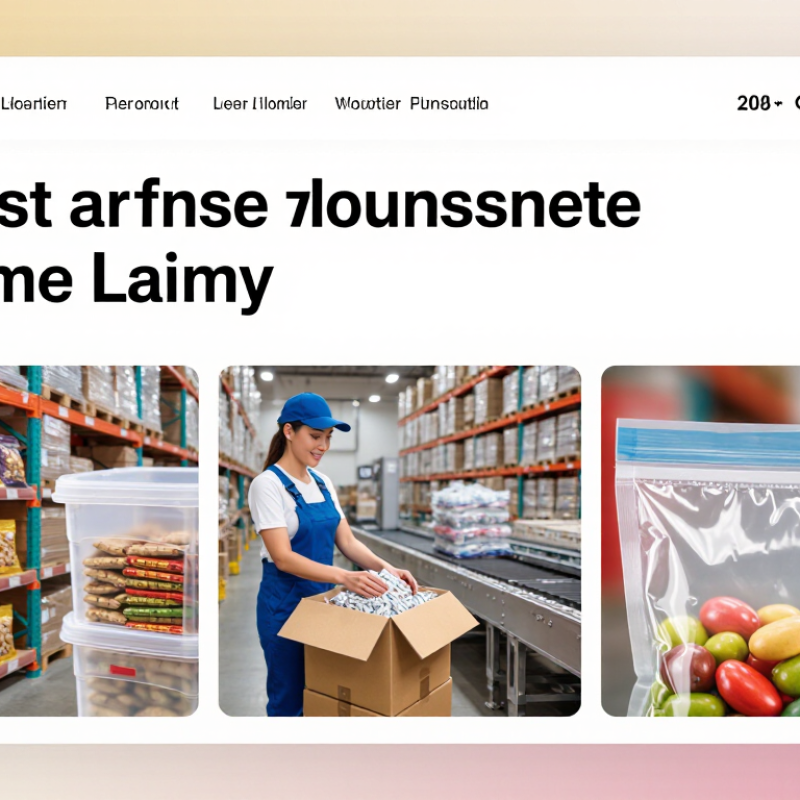
Why Choose Plastic Packaging Materials for Your Business?

What Plastic Packaging Materials Are and How They Are Classified

Plastic packaging materials are polymers shaped into films, bottles, tubs, trays, and protective inserts. They are commonly classified by resin type, structure, and intended function. Polyethylene is often used for flexible films and squeeze bottles, while polypropylene can form tubs and hinged lids. PET is common in clear beverage bottles and food trays. These are typical uses, not guarantees of suitability.

Another useful distinction is between flexible packaging, such as pouches and wraps, and rigid packaging, such as jars and containers. Materials may also be single-layer or multilayer. A multilayer film can combine strength and barrier properties, but its layers may be harder to separate during processing. Categories overlap in practice. I would not treat a resin label as a full performance promise; thickness, additives, and manufacturing can change how packaging behaves.

Tips: Match the material to the product’s weight, moisture, and storage temperature. Check whether the package needs a strong seal or a clear display window. Ask for technical data, then test filled samples under real handling conditions. Small trials help. Also confirm which materials local collection systems actually accept. Those details are easy to overlook, and sometimes the first material choice needs revisiting.

Common Plastic Types Used in Business Packaging

PET is clear, lightweight, and commonly used for drink bottles and food jars. HDPE is tougher and often suits opaque bottles, such as containers for household liquids. PP handles warmth better than many packaging plastics, making it useful for tubs, caps, and takeaway containers. Small details matter: a cap and bottle may use different resins.

LDPE bends easily, so businesses use it for bags, liners, and flexible film. PS appears in rigid trays and foam cushioning, though local collection options vary. The OECD’s Global Plastics Outlook (2022) estimates that 9% of plastic waste worldwide was recycled in 2019. That figure covers all plastic waste, not packaging alone. A material may be recyclable in theory, yet difficult to recover where sorting facilities are limited.

Tips: Match the resin to the product’s weight, moisture, and handling needs. Check the closure, too. Ask local recyclers which formats they accept, and verify claims with current data. There is no perfect choice; sometimes a lighter package uses less material but is harder to sort.

How Plastic Packaging Protects Products Across the Supply Chain

Plastic packaging helps protect products as they move from a filling line to a warehouse, delivery vehicle, and customer. Its moisture resistance can help keep paper goods dry, while a snug film or molded insert can limit movement around fragile items. Clear packaging also lets staff check contents without opening the pack. That saves time. But protection depends on choosing the right format and thickness for the product, not simply using more material.

Tips: Match the package to the likely handling conditions. Test samples with realistic drops, stacking, and temperature changes before ordering at scale. Check seals and closures regularly.

On a busy loading dock, cartons may be stacked unevenly or exposed to rain during transfer. A well-fitted plastic liner or wrap can reduce moisture exposure and help stabilize a load. Still, packaging is easy to overestimate. It cannot prevent every puncture, rough drop, or storage error. Review damage reports and inspect returned goods; those details can reveal where a design needs adjustment. A lighter package may reduce shipping weight, but only if it still protects the product through the actual route.

Factors to Consider When Choosing Plastic Packaging

Start with the product, not the package shape. A dry snack may need moisture protection, while a fresh sauce needs a dependable seal and suitable material compatibility. Check how the packaging handles filling temperatures, storage time, and repeated handling. Small cracks matter. Fill sample packs, seal them on the intended equipment, then inspect for leaks after stacking and transport tests. Also consider clarity, stiffness, and opening force. A polished-looking pack can still frustrate customers if it is difficult to tear.

Compare total cost, not just the price per unit. Include sealing speed, storage space, shipping weight, and likely product loss from damaged packs. Ask suppliers for clear material specifications and test data, then confirm performance with your own product. Recyclability depends on local collection and sorting systems, so check actual disposal options rather than relying on a label alone. One trade-off is easy to miss: a thicker wall may protect the contents but add material and freight weight. Test a lighter option, too. It may work—or it may not.

Why Choose Plastic Packaging Materials for Your Business? — Factors to Consider When Choosing Plastic Packaging

Factor What to Assess Relevant Plastic Material Characteristics Business Consideration
Product protection Identify exposure to moisture, oxygen, light, impact, and contamination during storage and shipping. PET and HDPE can provide useful moisture and impact protection; multilayer structures may offer stronger gas or light barriers, depending on their construction. Match the package’s barrier performance to the product’s shelf-life needs. A higher-barrier structure may add cost and can be harder to recycle when it combines incompatible materials.
Weight and transport Compare package weight, shipping volume, breakage risk, and the protection needed in transit. Many plastic packages are lightweight and resistant to shattering compared with glass containers of similar use. Lower package weight can reduce the mass shipped, but transport savings depend on the complete package design, product density, and delivery route.
Material selection Consider the product, filling process, required stiffness, flexibility, and intended package format. PET is commonly used for bottles and clear containers; HDPE for rigid containers; LDPE for flexible films and bags; and PP for containers, caps, and films. These are common applications, not guarantees of suitability. Confirm grade-specific performance and compatibility with the product and filling conditions.
Temperature and processing Check filling, sealing, storage, reheating, and freezing temperatures. Heat tolerance varies by polymer grade, package thickness, design, and processing conditions. Some PP applications tolerate more heat than many PE applications, but specifications differ. Obtain the material’s temperature limits and validate the finished package under actual operating conditions; do not rely on resin type alone.
Product compatibility Assess whether oils, acids, solvents, fragrances, or other ingredients could interact with the package. Different polymers have different chemical-resistance and permeation characteristics. Compatibility depends on the exact formulation, concentration, contact time, and temperature. Conduct compatibility and shelf-life testing with the intended product before selecting a package for production.
Food-contact requirements Determine whether the package will contact food and which markets it will be sold in. Food-contact suitability depends on the specific resin, additives, manufacturing controls, and applicable regulations—not just the polymer name. Verify supplier documentation and compliance for the intended food, use conditions, and destination market.
Recyclability Check local collection, sorting, and recycling capabilities for the package’s format, color, labels, closures, and material combination. Common resin identification codes include PET (1), HDPE (2), LDPE (4), and PP (5). A code identifies a resin type; it does not guarantee that a package is accepted for recycling locally. Design for the recycling systems available in target markets. Avoid assuming that all films, colored items, or multilayer packages are recyclable everywhere.
Cost and supply Compare material, conversion, tooling, transport, and end-of-life costs, as well as supplier availability. Costs vary with resin markets, package weight, shape, production volume, decoration, and processing requirements. Evaluate total delivered cost and supply reliability rather than comparing resin price alone; request current quotations for the required specification.
Branding and usability Consider clarity, color, print or label requirements, opening, dispensing, resealing, and accessibility. Plastic formats can be molded into varied shapes and made rigid or flexible. Clarity, stiffness, and print performance differ by material and package construction. Test the package with users and production equipment. Ensure decoration and closures do not interfere with product use or local recycling processes.
Quality validation Set measurable requirements for leakage, drop resistance, seal integrity, shelf life, and dimensional consistency. Performance depends on the complete package—material grade, thickness, geometry, seals, closures, and manufacturing quality. Run trials using the actual product and distribution conditions, and establish incoming and in-process quality checks before scaling up.

Environmental Impacts, Recycling, and Regulatory Requirements

Plastic packaging can protect products from moisture, dust, and breakage while keeping packages light. Lower shipping weight may reduce transport emissions, especially when goods travel long distances. But plastic often comes from fossil resources, and discarded film can escape collection systems. The environmental impact depends on the material, package design, local infrastructure, and disposal practices. Details matter. A clear, single-material pouch may be easier to sort than a dark, multilayer pack, though recycling access differs by region. Compare protection needs with material use, and check whether customers can place the package in a local collection stream. “Recyclable” on paper does not mean recycled in practice.

Regulatory requirements vary by market and product. Packaging rules may cover producer responsibility fees, material reporting, recycled content, labeling, and certain formats. Food-contact packaging may require additional documentation and migration testing; a general-purpose resin is not automatically suitable. Keep supplier declarations, specifications, and test records together, and verify them against current local guidance before changing a package. That takes time. A small change in ink, adhesive, or barrier layer can affect sorting or compliance. Optimizing for cost alone may create avoidable rework. Even careful teams may not know the final recovery rate after packaging leaves the warehouse. Track what can be measured, ask waste partners specific questions, and revisit assumptions as regulations and facilities change.