How to Choose the Best Bulk Sorter for Your Business Needs?
Choosing the right bulk sorter for your business is crucial. A bulk sorter affects efficiency, accuracy, and cost. In today's competitive market, an ideal bulk sorter can streamline your operations. It can enhance productivity while minimizing errors.
Understanding your specific needs is vital. Each business is unique, and so are their sorting requirements. Some might need high-speed solutions for large volumes. Others may prioritize precision over speed. These factors should guide your selection process. Assess the features and capabilities of different bulk sorters.
Reliability is another key factor. Investing in a high-quality bulk sorter offers long-term benefits. A poor choice could lead to downtime or increased operational costs. Consider expert reviews and recommendations in your decision-making. Engage with trusted sources that specialize in sorting technologies. This can lead you to a bulk sorter that truly fits your business needs.
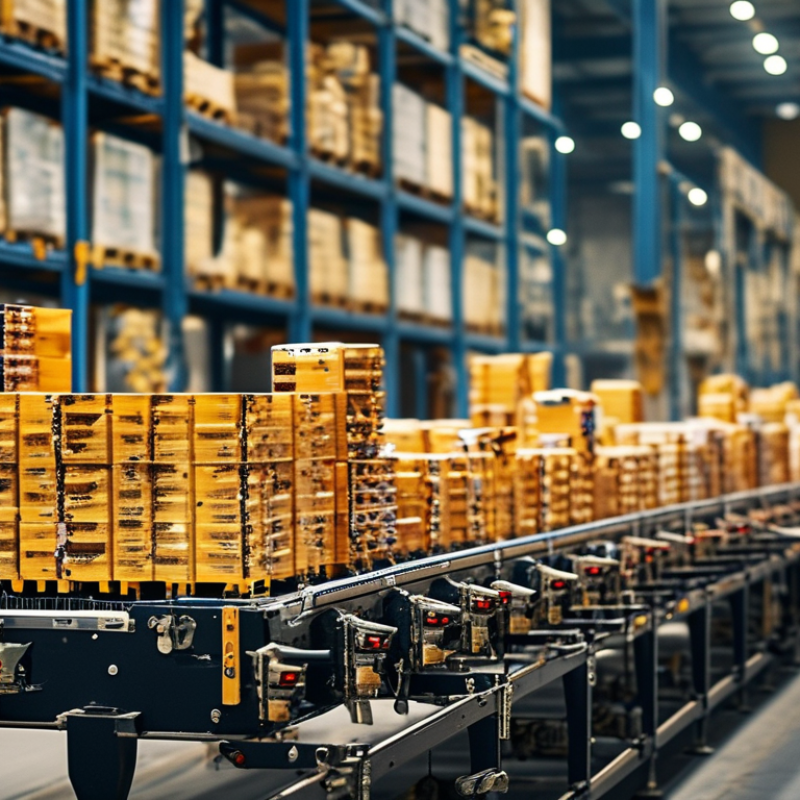
Identify Your Business Requirements for Bulk Sorting Solutions
Identifying your business requirements for bulk sorting solutions is crucial. Start by assessing the types of materials you need to sort. Are these products fragile, heavy, or irregularly shaped? Understanding the nature of your items will guide your equipment choices. For example, delicate products may require gentler handling, while robust items might need heavier machinery to handle the load seamlessly.
Next, consider your volume needs. How much product do you need to sort daily? A small operation might not require advanced technology. However, if your business scales, investing in high-capacity sorters will be necessary. Think about space as well. Is there enough room for the machinery and workflow?
Finally, reflect on your employee's expertise. Do they need training to operate the new machinery? Lack of familiarity can lead to inefficiencies. Remember, the best bulk sorter is one that fits your specific circumstances and needs. Balancing these factors leads to a more effective sorting process and ultimately enhances business productivity.
Evaluate Different Types of Bulk Sorters Available in the Market
When choosing a bulk sorter, it's essential to understand the different types available. Market research shows that automated sorters are gaining traction. They can handle high volumes, enhancing efficiency. A report by the Material Handling Industry of America indicated that automation can boost sorting productivity by 25% compared to manual sorting.
For businesses handling diverse materials, cross-belt sorters might be suitable. These sorters can adapt to various sizes and shapes, improving flexibility. In contrast, tapered sorters excel in speed, processing more items in less time. However, they generally lack the versatility of cross-belt options. Many companies struggle to choose between speed and flexibility, making an informed decision vital.
Tips: Assess your sorting needs and volume. Consider start-up costs and long-term savings before investing in technology. Don't rush. Join industry forums for insights. Engaging with peers can provide clarity on which model will serve best.
Choosing the Right Bulk Sorter: Efficiency Comparison
This chart compares the sorting efficiency of different types of bulk sorters available in the market. Selecting the right sorter is crucial for optimizing your business operations.
Consider Key Features and Specifications of Bulk Sorters
When selecting a bulk sorter for your business, consider crucial features. The efficiency of a sorter often hinges on its sorting capacity. Look for models that can handle high volumes, matching your operational needs. Speed is another critical factor. A sorter that operates quickly can significantly boost productivity.
Tip: Assess how noise levels might affect your workplace. Some models can be quite loud, impacting employee focus.
Additionally, consider the sorting accuracy. Inaccurate sorting can lead to costly mistakes. Reliable bulk sorters should effectively distinguish various items, ensuring precision. Pay attention to the maintenance requirements as well. Some machines require regular servicing, which can disrupt operations.
Tip: Stay mindful of the energy consumption of the sorter. Choosing energy-efficient models can lead to long-term cost savings.
Incorporating user-friendly interfaces can enhance training and ease of use. Ensure that operators find the machinery intuitive. Be open to feedback on the machine's performance. It may reveal areas for improvement that you hadn't considered initially.
Assess the Budget and Cost-Effectiveness of Bulk Sorting Machines
When evaluating bulk sorting machines, cost is a critical factor. Start by identifying your budget. This includes purchase price and ongoing maintenance costs. A high initial investment may seem appealing due to advanced features, but consider the long-term value. Machines with lower efficiency can lead to higher operational costs. They can also increase labor expenses over time.
Perform a cost-effectiveness analysis. This requires estimating how much time and resources the machine can save. Faster sorting may justify a higher price. Calculate return on investment (ROI) based on increased productivity. Always factor in the potential for unexpected issues and repairs. These may detract from your savings.
Additionally, assess the machine’s lifespan. A more expensive unit could have a longer operating life, making it a better investment. It’s vital to gather data on various models. Hearing from other businesses can provide insights. However, anecdotal evidence may have its limitations. Balancing cost with efficiency is essential, but don't overlook reliability. A machine that frequently breaks down can disrupt your operation and costs money.
How to Choose the Best Bulk Sorter for Your Business Needs?
| Machine Type | Sorting Capacity (kg/hr) | Budget Range (USD) | Cost-Effectiveness Rating | Energy Efficiency Rating |
| Vibratory Sorter | 300 | $10,000 - $15,000 | 4/5 | A+ |
| Air Sorter | 500 | $15,000 - $20,000 | 4.5/5 | A |
| Optical Sorter | 700 | $25,000 - $30,000 | 5/5 | A++ |
| Magnetic Sorter | 400 | $8,000 - $12,000 | 3.5/5 | B+ |
| Gravity Sorter | 600 | $12,000 - $18,000 | 4/5 | A |
Research Vendor Reputation and After-Sales Support Services
When selecting a bulk sorter, researching vendor reputation and after-sales support is essential. A reliable vendor not only provides a quality product but also stands by their commitments. Look for companies with positive customer reviews and a solid track record. This background research builds trust and ensures your investment is sound.
Tips: Check online forums and industry reviews. These platforms often provide firsthand experiences. Attend trade shows where vendors showcase their products. Engage with their representatives and ask about their support services. Understanding their warranty and support structure can save you from future headaches.
Diving deeper into after-sales support is equally crucial. Ensure the vendor offers comprehensive training and troubleshooting assistance. A sorter might be sophisticated, and you want to maximize its use. Their support should be readily available and reliable. If they cannot answer your queries promptly, consider it a red flag. Your business deserves dependable assistance.
Tips: Inquire about response times for support requests. A vendor that prioritizes customer service demonstrates their commitment. Also, ask about the frequency of training sessions offered. Continuous education can enhance your team's efficiency in using the sorter.