
585.204.6770
sale@sanblueplastics.com
Your Source for Trays!
Choosing a Carry Out Box in 2026 means matching the packaging to the meal, the journey, and the way customers eat. A crisp salad needs a different container from saucy noodles or a hot sandwich. The wrong choice can leave greens wilted, sauce leaking, or a lid popping open during a short drive. Small details matter. A secure closure, comfortable grip, and useful portion size can make the meal easier to carry and enjoy.
This guide looks at the practical features worth comparing: material, shape, ventilation, leak resistance, stacking, and price. It also considers how packaging performs under real conditions, such as a warm meal riding beside a cold drink or several orders stacked on a counter. A container that looks sturdy may still buckle when filled. Test it first. Buyers should weigh convenience against storage needs, presentation, and waste goals, rather than choosing by appearance alone. I would not assume one box suits every menu; that is an easy mistake to make. Check product specifications, ask suppliers about intended use, and try representative meals before placing a large order. The best option is the one that protects the food, fits the service routine, and feels dependable to customers.
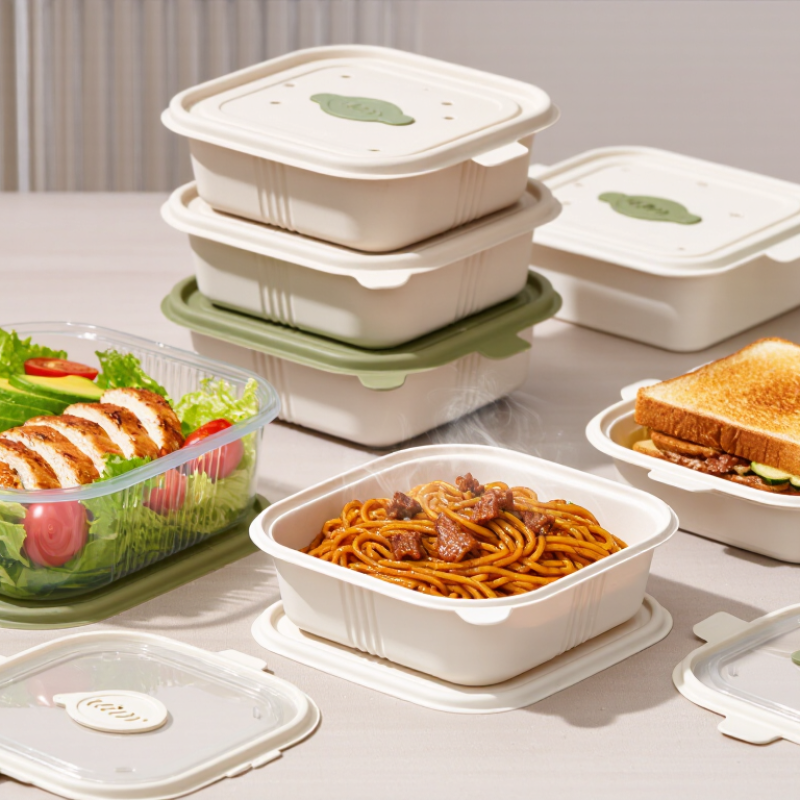
Start with the food, not the container. A crisp fried item needs room for steam to escape, or its coating may soften before arrival. A vented box can help, while a tight seal usually suits foods that need to stay moist. Keep sauces separate. For soups, curries, or oily dishes, check that the container closes securely and resists leaks. A small test with the actual serving can reveal problems that a product description cannot.
Match the box size to the portion. Too much empty space lets food slide around; an overfilled box can crush delicate toppings or strain the lid. Consider the whole meal, including sides, garnish, and any sauce cup. A deep container may work for a grain bowl, but a shallow one can make sandwiches easier to handle. That detail is easy to overlook.
Delivery time matters, too. A meal traveling across town needs sturdier packaging than one handed over nearby. Check how boxes stack, whether lids stay in place, and whether hot and cold items can be packed separately. Leaks happen. Even a careful portion estimate can be wrong, so test a typical order during a busy service period and adjust the box size if food arrives shifted, soggy, or difficult to open.
How to Choose the Best Carry Out Box in 2026?
Compare Carry Out Box Materials and Their Properties
Material choice affects more than appearance. It shapes heat retention, leak resistance, stacking, and disposal. Paperboard is light and easy to label. It works well for sandwiches, baked goods, and many dry meals. But sauces and steam can soften it, especially without a suitable lining. Coated paperboard handles moisture better; check whether local recycling facilities accept that coating.
Bagasse, made from sugarcane fiber, feels sturdy and suits warm, greasy foods. It can handle brief contact with moisture, though long storage may weaken it. Plastic containers usually resist leaks and show the contents clearly. They can be useful for soups or chilled sides, but hot food may warp some types. Foam offers insulation and low weight, yet its fit for disposal depends on local facilities. One trade-off is easy to miss: a box that holds heat can also trap steam and soften crisp food.
Tips: Match the box to the meal, not just its price. Test a sample with a hot portion for ten minutes; check the corners for leaks and the lid for looseness. Leave a small vent for fried foods. If the container feels damp or buckles, try another material or a larger size. The “best” option may vary by menu.
| Material | Heat and Food Performance | Moisture and Grease Resistance | Microwave Use | Typical End-of-Life Options | Best Suited For | Key Consideration |
|---|---|---|---|---|---|---|
| Uncoated paperboard | Lightweight and easy to stack; suitable for many dry or moderately moist foods. | Limited resistance; prolonged contact with liquids or oily foods can soften or stain it. | May be suitable for brief reheating only when the packaging is labeled microwave-safe and has no unsuitable coatings, inks, or components. | May be recyclable where local programs accept clean paperboard; food-soiled packaging may not be accepted. | Sandwiches, baked goods, and other relatively dry foods. | Check whether a barrier lining is needed for the menu. |
| Coated paperboard | Paperboard structure with a barrier layer; performance depends on the coating and package design. | Often better than uncoated paperboard, but resistance varies by coating and food temperature. | Do not assume it is microwave-safe; follow the package instructions, especially if it has a plastic or metallic layer. | Recyclability depends on the barrier material and local paper-recycling rules. | Saucy meals, takeout bowls, and foods that need extra leak protection. | Ask what the coating is and whether local facilities can process it. |
| Molded fiber | Rigid, lightweight packaging that can help protect food during transport. | Uncoated fiber can absorb moisture and oil; treatments may improve resistance. | Use only if the specific item is labeled microwave-safe. | Some products may be compostable in suitable facilities; coatings and food contamination can affect acceptance. | Clamshell meals, produce, and foods needing a formed, protective tray. | “Compostable” does not necessarily mean suitable for home composting or accepted locally. |
| Corrugated paperboard | Fluted construction provides cushioning and rigidity; commonly used for larger or heavier meals. | Can lose strength when wet; grease resistance depends on liners or coatings. | Follow the package label; remove metal components and avoid reheating unless expressly permitted. | Often recyclable when clean and accepted by the local paper stream; coatings and food residue can change acceptance. | Pizza, catering, and bulky orders that benefit from structural support. | Bulkier to store than flat paperboard and may need a separate food-contact liner. |
| Polypropylene (PP) | Lightweight and generally more heat-tolerant than many common food-packaging plastics. | Typically resists water and many food oils; lid fit and container design affect leak performance. | Often used for microwaveable food containers, but reheating should follow the product label and instructions. | Recycling availability varies by community; check local acceptance rules. | Hot meals, soups, and foods customers may reheat. | Container and lid may use different materials; verify both before disposal or reheating. |
| Polyethylene terephthalate (PET) | Clear, lightweight packaging commonly used for cold foods and display. | Provides a good barrier to moisture; suitability for hot or oily foods depends on the specific design. | Generally not intended for microwave reheating unless specifically labeled for that use. | Often recyclable where PET packaging is collected and accepted; local rules and package components matter. | Salads, chilled sides, desserts, and other cold foods. | Not the default choice for hot meals; check temperature limits on the package. |
| Aluminum | Strong heat barrier and suitable for many hot foods and oven applications when the product is designed for them. | Resists water and grease and can help contain sauces. | Do not place in a microwave unless the appliance and packaging instructions explicitly permit it; metal can cause arcing. | Can be recyclable where accepted, but food residue and local collection practices affect recovery. | Hot entrees, roasting, and foods that need a rigid heat-resistant tray. | Not microwave-compatible by default; lids and mixed-material parts may need separate handling. |
| Expanded polystyrene (EPS) foam | Lightweight and insulating, helping retain temperature during short transport. | Resists water, but package performance depends on construction and food conditions. | Do not microwave unless the specific container is clearly labeled for microwave use. | Collection is limited in many areas; local restrictions and recycling options vary. | Insulated cold or hot food service where permitted and appropriate. | Check local rules, heat-use instructions, and available disposal options before selecting it. |
Selection tip: Match the box to the food’s temperature, moisture, grease level, travel time, and reheating needs. Material performance and recycling or composting options vary by product design and local facilities, so check the packaging label and local guidelines.
Choosing the right carry-out box starts with the food, not the shelf. A roomy box can let a sandwich slide, while a tight one crushes its filling. Match the base to the portion, leaving a little space around delicate foods. For a meal with separate sides, compartments can reduce mixing, though they may limit how much fits. Fit matters.
Shape affects both stability and presentation. A shallow, wide box suits pastries or foods that should stay in one layer. A deeper container can hold saucy dishes, but check that it stacks without tipping. If the food has a crisp coating, avoid packing it tightly against a damp surface. Steam needs somewhere to go. Ventilation can help, but too much airflow may dry food during a longer trip.
The closure should stay shut during handling without making the box difficult to open. For heavier portions or meals with sauce, press the lid down and gently tilt the filled box over a counter before service. This is a simple check, not a guarantee against every spill. I would also test the box with the actual portion; sample sizes can be misleading. Sometimes the shape looks right until a fork or side dish takes up the last inch.
Check Food Safety, Sustainability, and Local Rules
A good carry out box should suit the food, not just look sturdy. Check that it is intended for food contact and can handle the meal’s temperature. Hot, oily dishes may soften some containers, while tight lids can trap steam and make crisp food soggy. Small details matter. Ask suppliers for clear handling guidance if the packaging will hold very hot or greasy food. I would not assume one box works equally well for every menu item.
Sustainability claims need a local reality check. Paper, reusable, and compostable options each have trade-offs, including transport, washing, and disposal. Rules vary. Check your local waste authority’s guidance before labeling a box recyclable or compostable; collection systems may not accept every material. Also confirm any local food-packaging requirements with the relevant authority, since rules can differ by location and change over time. A neat label is not proof of local acceptance.
Tips: Test a filled sample with your actual food, after a realistic delivery time. Look for leaks, softened corners, and excess condensation. Keep the packaging’s food-contact and disposal information on file. If a claim feels vague, ask for documentation—or choose a simpler option you can verify.
How to Choose the Best Carry Out Box in 2026?
Compare Costs and Select the Best Box for Your Needs
A low unit price can hide higher costs. Compare boxes by usable capacity, not just price per piece. Include freight, storage space, assembly time, and likely food loss from leaks. A box that fits a saucy entrée without tipping may save money, even if it costs more upfront. Small leaks matter. I still find it easy to overlook how much a poor fit can affect the meal.
The U.S. Environmental Protection Agency’s 2018 materials report estimated that containers and packaging generated 82.2 million tons of municipal solid waste, or 28.1% of the total. That broad category includes far more than takeout boxes, but it shows why material use belongs in the comparison. Check whether the box is suitable for hot, greasy food, and verify disposal claims against local facilities. A recyclable label alone does not guarantee local recycling. Compare sample boxes with your actual menu before ordering in bulk.
Tips: Test a packed meal for leakage, stacking, and heat retention. Record the full delivered cost per serving, including freight. Then compare it with your current box; the cheapest option may not stay cheapest.
Estimated bulk cost per box by material (USD). These indicative prices assume standard, unprinted boxes purchased in volume; actual costs vary with size, order quantity, supplier, and location.
Foam is often among the lowest-cost options, while reusable polypropylene generally costs more per unit upfront. Compare the price with your needs for heat retention, leak resistance, local recycling or composting access, and whether the box will be reused.