How to Choose the Best Portable Ice Box for Your Needs?
When it comes to choosing the best Portable Ice Box, expert Emily Hargrove emphasizes the importance of considering your specific needs. "The right ice box can make or break your outdoor experience," she states. This sentiment resonates deeply among outdoor enthusiasts and campers alike.
Over the years, the Portable Ice Box industry has evolved, offering a range of options tailored for various activities. Whether you’re headed to the beach, a camping trip, or a tailgate party, the right ice box keeps your food and beverages fresh. However, not all products are created equal. Some may fail to retain cold temperatures or have poor durability.
Navigating the multitude of choices can be overwhelming. It’s crucial to focus on features such as size, insulation quality, and portability. Reflecting on user reviews can also shed light on products' real-world performance. The goal is to find a Portable Ice Box that meets your expectations without compromise.
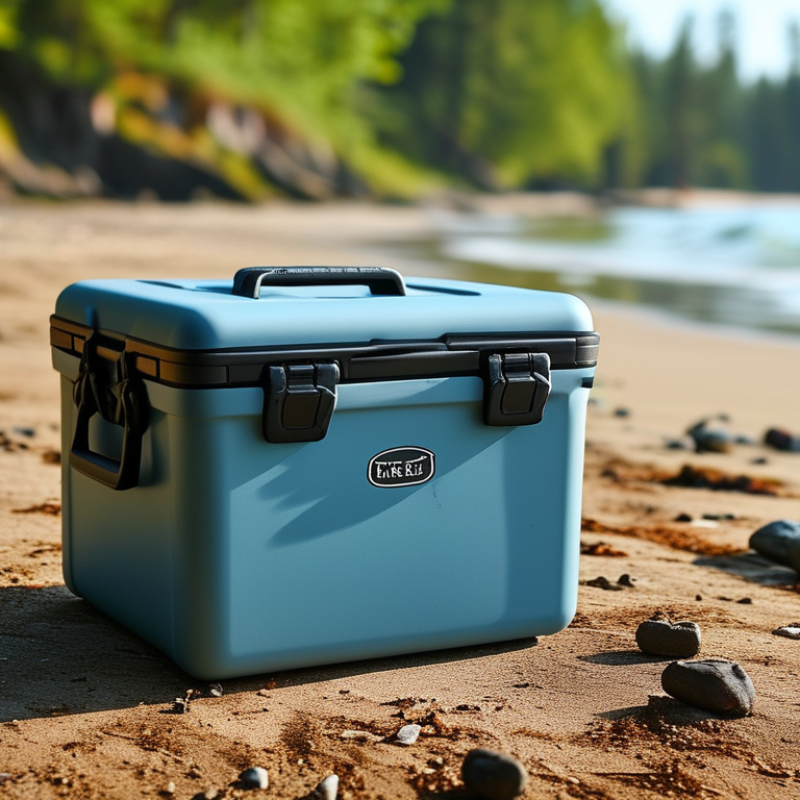
Understanding Your Ice Storage Needs and Usage Scenarios
When choosing a portable ice box, understanding your ice storage needs is crucial. Consider how many people you typically serve. Small gatherings may require less space, while larger events demand a larger capacity. If you frequently use it for camping or road trips, look for durability and lightweight options.
Think about the duration of your ice storage. Some scenarios may only need a few hours, while others could last multiple days. Insulation quality affects this significantly. Some boxes keep ice for longer periods, which can be beneficial for extended adventures.
Pay attention to your usage scenarios. If you plan to store food and beverages, make sure the ice box offers compartmentalization. This feature helps keep your items organized and easily accessible. Reflect on your past experiences with portable ice boxes. Did they meet your needs? Were they easy to carry and use? Identifying these aspects can lead to a better decision.
Evaluating Insulation Types and Their Impact on Performance
When choosing a portable ice box, insulation types are crucial. The cooling performance greatly relies on the material used.
Traditional foam insulation is common. It offers decent temperature retention but may not always be adequate for extended trips. Users often find that it fails after a few days in warm weather.
On the other hand, premium options like vacuum insulation can provide superior results. This type lacks air, ensuring lower heat transfer and longer ice retention. Some users rave about their experiences with vacuum-insulated models. They mention keeping ice for over a week in high temperatures.
Understanding insulation helps in making an informed choice. Evaluate your specific needs. Think about how much ice you need and the duration of your trips. Certain ice boxes may not meet expectations, leading to regret. It's important to reflect on your past experiences and consider how different types might serve you better.
Comparing Size and Capacity Options for Portability
When selecting a portable ice box, size and capacity are critical factors. You want something that fits your needs without being too cumbersome. For day trips, a compact size may suffice. Look for boxes around 20-30 quarts, as they can hold plenty without taking up too much space in your vehicle. For camping or long outings, consider larger options of 50 quarts or more. They provide ample capacity for food and drinks, but can be heavy to carry.
A balance between size and capacity is essential for portability. A box that is too large can hinder mobility. You should also think about how much ice you need to keep items cold. Smaller boxes require less ice, making them lighter. However, they may not keep things cold for as long. On the other hand, larger boxes maintain ice longer but add weight and bulk. Reflecting on your past experiences with different sizes can help inform your decision. Sometimes, trial and error teaches the best lessons.
Analyzing Material Durability and Construction Quality
When selecting a portable ice box, material durability and construction quality are crucial factors. Look for boxes made from high-density polyethylene or thick polypropylene. These materials resist cracking and can withstand harsh conditions. Ensure the insulation is effective; thicker walls generally provide better temperature retention.
Tips: Before buying, check user reviews on durability. Real-world experiences highlight longevity. Also, inspect the hinges and closures. These parts often wear out first. A durable ice box should have reinforced hinges to prevent breakage.
Consider the design elements as well. A well-constructed ice box features a sturdy handle for easy transport. Comfort is essential, especially during outdoor activities. A lightweight but robust design is often more practical. Reflect on how you plan to use the ice box. If you'll expose it to rough handling, durability becomes even more critical. Explore options with non-slip feet to ensure stability.
Exploring Additional Features and Accessories for Convenience
When selecting a portable ice box, consider features that enhance convenience. Well-designed ice boxes come with additional compartments for snacks and drinks. These compartments help keep things organized and accessible. If you enjoy outdoor activities, a box with a built-in cutting board can be useful for meal prep on the go. Always think about your specific needs before purchasing.
Some ice boxes offer multiple power sources. Battery, solar, and car adapter options provide flexibility. A USB outlet can charge devices when in remote areas. It's essential to ensure that the ice box you choose has enough insulation to retain cold temperatures efficiently. However, some models may not keep ice for as long as advertised. Look for customer reviews to gauge real-world performance.
Another noteworthy feature is drainage. A spout helps with easy water removal when you need to refill ice. While some designs are lightweight for easy transport, they may compromise insulation quality. Therefore, weigh these factors before making a decision. Ultimately, choosing the right features will greatly enhance your experience.
How to Choose the Best Portable Ice Box for Your Needs? - Exploring Additional Features and Accessories for Convenience
| Feature | Description | Importance Level | Example Accessory |
| Insulation Material | Types of insulation used to keep items cold. | High | Ice Packs |
| Capacity | Volume of space available for storing ice and contents. | Medium | Dividers |
| Portability | Weight and ease of carrying or transporting. | High | Wheels |
| Durability | Material strength to withstand outdoor conditions. | High | Protective Covers |
| Drainage System | Mechanism for easily removing melted water. | Medium | Drain Plug |
| Additional Features | Extra functionalities like cup holders or cutting boards. | Low | Folding Tables |