How to Choose a Compact Transformer Substation?
Choosing the right Compact Transformer Substation is more than comparing rated power and purchase prices. It requires a clear understanding of the site, electrical load, environmental conditions, and future expansion plans. A compact unit may serve a factory, solar farm, commercial building, or rural distribution network. Each application creates different technical demands.
Start with the transformer rating, voltage levels, protection system, and enclosure design. Check whether the substation can handle motor starting currents, seasonal load changes, and nearby sensitive equipment. A dusty industrial yard may require stronger sealing than a clean indoor plant. Coastal locations also need corrosion-resistant materials and careful ventilation. Small details matter.
Safety comes first.
Experienced engineers usually review short-circuit capacity, earthing arrangements, fire protection, access clearance, and maintenance space before selecting equipment. Compliance with local electrical codes and utility requirements should be confirmed by qualified professionals. Manufacturer testing records, efficiency data, temperature-rise limits, and warranty terms can reveal more than attractive marketing claims.
Do not choose by dimensions alone. A smaller enclosure may create restricted cable bends, difficult inspections, or uncomfortable working conditions. I have seen projects focus heavily on footprint, then discover that future maintenance becomes awkward. That mistake is avoidable, but not always obvious during early planning.
This guide explains how to compare Compact Transformer Substation options with practical criteria. It considers performance, reliability, installation, lifecycle cost, and service support. Some assumptions may need revision after a site survey. That is normal. A dependable decision combines verified specifications, field experience, and honest risk assessment.
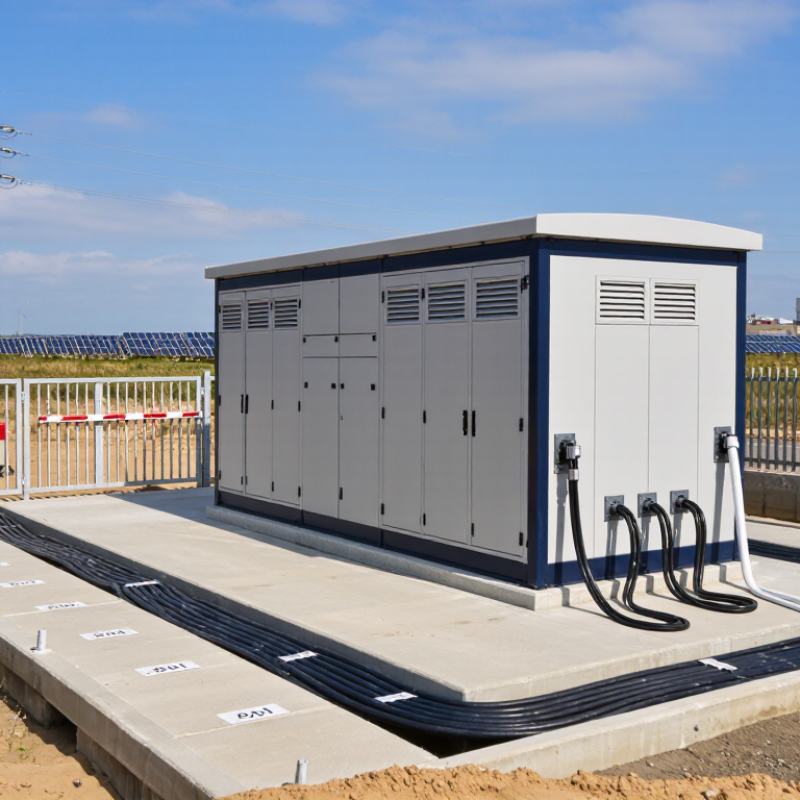
Understanding Compact Transformer Substation Types and Functions
How to Choose a Compact Transformer Substation?
Understanding Compact Transformer Substation Types and Functions
A compact transformer substation combines transformation, switching, protection, and metering in a small enclosure. Its main function is clear: reduce medium voltage for safe, usable distribution. Common types include outdoor box-type units, indoor compact substations, and prefabricated skid-mounted systems. Dry-type transformers suit buildings where fire risk and ventilation matter. Oil-immersed transformers often support higher capacities and outdoor operation.
The enclosure design affects daily performance. A weather-resistant outdoor unit needs sealed doors, drainage, corrosion protection, and adequate working space. An indoor unit requires controlled ventilation and reliable fire protection. Operators should inspect cable terminals, temperature indicators, earthing connections, and circuit-breaker operation.
Small details matter.
A loose connection can create heat, noise, and eventual failure.
Choosing the right unit starts with the load profile, not only the rated capacity. Check present demand, motor starting currents, future expansion, fault levels, and local installation rules. Protection settings must coordinate with upstream and downstream equipment. Maintenance access is equally important, especially when the substation sits beside a factory wall or under a narrow platform. In practice, some projects select the smallest enclosure available and regret the restricted cable space later.
Compact should mean efficient, not cramped.
A careful design review should also consider noise, humidity, altitude, emergency isolation, and replacement access.
Comparing Safety Features, Enclosures, and Installation Conditions
A compact transformer substation should be judged by its safety features, not its footprint alone. Look for lockable access doors, internal barriers, visible warning labels, and reliable earthing points. Door interlocks can prevent access while energized equipment remains exposed. Pressure-relief paths also deserve attention, especially where an internal fault could affect nearby workers.
Enclosure choice depends on the installation environment. A weatherproof steel enclosure may suit an outdoor site with rain, dust, and limited space. A concrete enclosure can offer stronger impact resistance and better separation from public areas. Check the required ingress protection level, corrosion resistance, ventilation, and fire performance against local electrical codes. Sealing every opening sounds sensible, but poor ventilation may raise transformer temperature. That trade-off is easy to overlook.
Installation conditions often decide whether a compact design performs safely. Confirm foundation strength, drainage, flood risk, cable bending space, and maintenance clearance before delivery. Leave room for lifting equipment and safe isolation procedures. Coastal locations need stronger corrosion protection. Industrial sites may require extra dust control. A substation placed too close to walls can restrict cooling and emergency access. Field inspections frequently reveal this mistake. I would also recheck noise limits, vehicle impact protection, and future load growth. Compact does not mean crowded. Clearance must remain practical.
Selecting a Supplier and Verifying Compliance Standards
Choosing a compact transformer substation starts with the supplier, not the brochure. In project reviews, I look for clear drawings, traceable components, and practical installation records. A reliable supplier should explain transformer capacity, cooling method, enclosure rating, and maintenance access without vague promises. Ask for routine test reports for each unit, not only a general certificate. Pay attention to insulation resistance, winding resistance, voltage ratio, and temperature-rise results. Small details matter.
Compliance must be verified against the project location and grid operator’s requirements. Relevant standards may cover transformers, switchgear, protection, earthing, fire safety, and enclosure protection. Confirm the edition and testing laboratory. A certificate with no test scope is weak evidence. Request type-test reports, calibration records, material certificates, and serial-number traceability. Then compare them with the delivered equipment.
Visit the factory if the project is critical. Check assembly areas, testing instruments, oil handling, cable termination, and final inspection procedures. A clean workshop helps, but it does not prove performance. Witness testing when possible. Review past installations with similar voltage and load conditions. I have seen polished documents hide unclear responsibility for site commissioning. That should make anyone pause. Also, suppliers sometimes offer compliance documents from another configuration. Verify every rating, accessory, and protection setting. Local approval may still be required, even when international standards are met. Never treat a familiar logo as a substitute for evidence.
How to Choose a Compact Transformer Substation?
Enclosure protection is a key supplier-selection criterion. The chart compares the two numerical parts of common IEC 60529 IP codes: the first digit indicates protection against solid objects and dust, while the second digit indicates protection against water.
IP44 provides protection against objects larger than 1 mm and splashing water. IP54 is dust-protected and resistant to splashing water. IP55 is dust-protected and resistant to water jets. IP65 is dust-tight and resistant to water jets. Confirm the required rating against the installation environment, IEC 60529, IEC 62271-202, local regulations, and the supplier’s test certificates.