
585.204.6770
sale@sanblueplastics.com
Your Source for Trays!
Choosing a Fluoropolymer Lined Reactor begins with the chemistry inside the vessel—not its catalogue description. A jacketed reactor may face hot acids, solvent blends, pressure changes, and repeated cleaning cycles. Each condition affects lining choice, operating limits, and service life. A small temperature excursion can matter.
Grand View Research’s Fluoropolymers Market Size, Share & Trends Analysis Report provides useful market context: fluoropolymers serve demanding applications because of their chemical and thermal properties. Market growth, however, does not establish that a particular lining suits a particular process. Buyers should check the resin type, maximum operating temperature, pressure and vacuum conditions, permeation risk, lining thickness, and inspection method. Ask for application-specific compatibility data, not a broad “chemical resistant” claim.
There is no expert quotation in the supplied material, so I cannot responsibly attribute a quotation to a named specialist. That matters: invented attribution would weaken a technical buying guide. Before specifying a Fluoropolymer Lined Reactor, request the manufacturer’s written operating limits, lining-quality documentation, and repair procedures. Confirm how the vessel will be inspected after fabrication and during service. Look closely at nozzles, agitator openings, and other transitions; these details can be easy to overlook. This guide will help compare those practical factors and ask sharper questions before purchase.
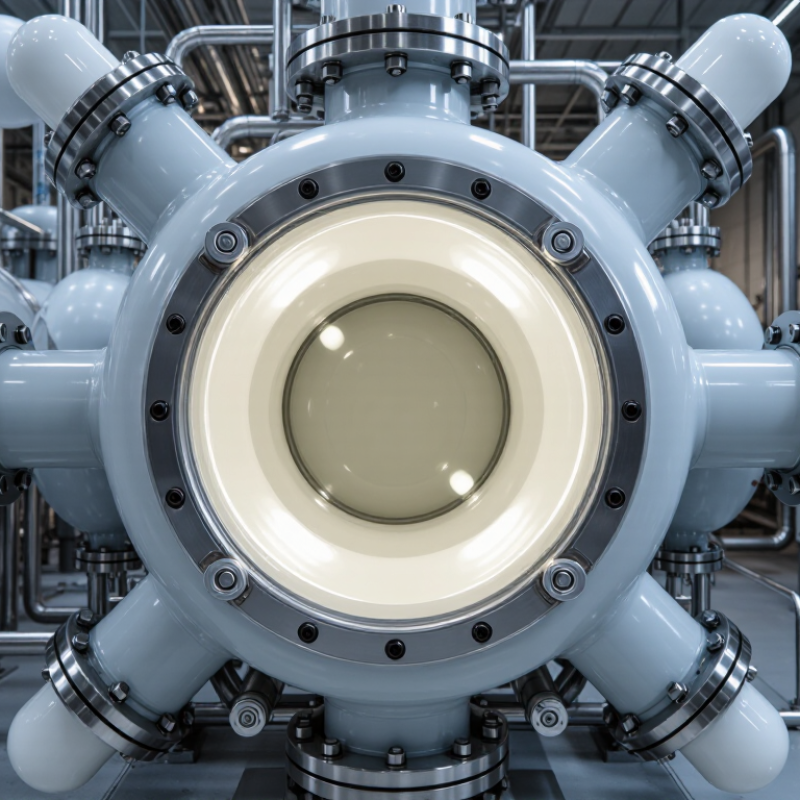
Before choosing a fluoropolymer lined reactor, document the actual process window. List every reactant, solvent, catalyst, impurity, and cleaning fluid, including concentration and temperature. Include routine operation and upset conditions. Brief excursions matter. Check the exact lining grade against chemical compatibility data; “acid-resistant” is not a complete specification. Record operating pressure, vacuum exposure, batch duration, and temperature cycling. These can affect permeation, liner stress, and service life.
Consider how the vessel will be used. A viscous batch may need different agitation than a free-flowing liquid. Specify impeller type, speed, solids content, and expected abrasion. Note nozzle geometry, drainability, and any hot or cold cleaning steps.
NACE International’s 2016 IMPACT study estimated the global cost of corrosion at US$2.5 trillion, or 3.4% of global GDP. That figure covers many industries, not lined reactors alone, but it shows why corrosion control deserves early attention.
The awkward part: process records may omit brief cleaning or upset conditions. Ask operators to review the duty list, then compare it with the lining supplier’s documented temperature, pressure, and permeation limits. Leave a margin where data are uncertain. Do not assume a coating suitable for one chemical mix will suit another.
The right lining depends on the actual process, not just the chemical name. Check each reagent, solvent, concentration, and expected impurity against the lining’s compatibility data. A dilute solution may behave differently when concentrated or heated. Also consider cleaning fluids and rinse cycles; they are easy to overlook.
Temperature matters just as much. Compare the lining’s recommended operating range with normal conditions, startup, shutdown, and short temperature spikes. A reactor that runs cool most days may still face damaging heat during a cleaning cycle. Chemical compatibility alone does not guarantee long service life.
Tips: Record the highest and lowest temperatures, concentrations, and contact times. Ask the supplier for documented compatibility guidance, and verify whether pressure or vacuum could affect the lining. Leave a margin where conditions are uncertain.
Finally, inspect how the lining suits the reactor’s geometry and mixing duty. Sharp edges, abrasive solids, or vigorous agitation can increase wear. Look for suitable inspection and repair procedures before selecting a material. It is tempting to choose from a general compatibility chart and move on, but real process details can be messier than the chart suggests. A review with process and materials specialists can expose those gaps.
Choosing reactor capacity starts with the usable batch volume, not the vessel’s nameplate volume. Leave room for foaming, thermal expansion, and safe mixing. A reactor filled too high can make an ordinary temperature rise difficult to manage. Small details matter. Include the largest routine batch and any planned scale-up when comparing sizes.
Geometry affects more than footprint. A taller vessel may suit limited floor space, while a wider one can change mixing behavior and impeller clearance. Check that nozzles, baffles, and the agitator work with the fluoropolymer lining and can be cleaned without awkward access. Sharp transitions or crowded internals may complicate inspection. The best layout is not always the most compact one.
Operating pressure must be assessed across the full temperature range, including startup, shutdown, and possible vacuum conditions. The metal shell carries structural loads; the lining still needs suitable support and compatibility with the process. Do not guess. Compare the planned pressure and temperature envelope with documented reactor limits, and ask a qualified engineer to review unusual cycles or upset conditions. It is easy to focus on peak pressure alone, but repeated swings may deserve equal attention.
| Selection Dimension | Small Batch | Medium Batch | Large Batch | Selection Check |
|---|---|---|---|---|
| Illustrative nominal vessel capacity | 50–500 L | 500–2,000 L | 2,000–5,000 L | These are planning bands, not standardized reactor size classes. Confirm available vessel sizes and the required batch volume with the equipment supplier. |
| Preliminary working-volume basis | For early sizing, a working fill of about 70–80% of gross vessel volume can be used as an initial estimate. | Actual fill limits depend on foaming, gas evolution, thermal expansion, agitation, and required vapor space. Verify the allowable working volume for the process. | ||
| Initial vessel geometry | A cylindrical vessel with a straight-side height-to-internal-diameter ratio around 1.0–1.5 is a possible starting point for layout studies. | This is a preliminary geometric guideline, not a design rule. Confirm the final dimensions against mixing performance, heat-transfer area, access, transport, and fabrication constraints. | ||
| Agitation and internal features | Specify the impeller type, speed range, baffles, and any dip pipes or thermowells from the process requirements. | All wetted components and lining details must be compatible with the chemicals, temperature, cleaning method, and mechanical loads. Check clearances and lining protection around internals. | ||
| Operating-pressure definition | State the maximum and minimum process pressures, whether values are gauge or absolute, and whether vacuum can occur. | Pressure capability is equipment-specific; it cannot be inferred from vessel capacity or geometry. Obtain the allowable pressure and temperature limits for the complete lined vessel. | ||
| Pressure-rating example | Example process condition: 3 barg operating pressure equals 300 kPa gauge. | This is a unit-conversion example, not a recommended or guaranteed reactor rating. The specified design conditions, applicable pressure-vessel code, relief protection, and lining limitations must be reviewed by qualified engineers. | ||
| Temperature and pressure interaction | Record the maximum and minimum operating temperatures alongside the pressure cases. | Permitted pressure can change with temperature and construction details. Check the supplier’s pressure–temperature limits, including startup, shutdown, upset, and cleaning conditions. | ||
| Final specification inputs | Batch size, gross capacity, liquid properties, vapor space, geometry, agitation, heat-transfer duty, operating conditions, and materials compatibility. | Review the complete process specification and vessel documentation before selecting or operating the reactor. | ||
Important: Capacity bands and geometry values above are preliminary planning guidance only. The allowable pressure and temperature of a fluoropolymer-lined reactor depend on its specific vessel construction, lining system, design code, and operating conditions.
Choosing a fluoropolymer-lined reactor starts with evidence of controlled fabrication, not a polished sales photograph. Ask for lining material and thickness records, weld maps, surface-preparation details, and traceable inspection results. Check flange faces, nozzle edges, and corners closely; these areas can hide thin spots or damage. The NACE International IMPACT study (2016) estimated global corrosion costs at US$2.5 trillion annually, about 3.4% of global GDP. That figure covers many industries, not reactors alone, but it shows why corrosion controls deserve serious attention. Small defects matter.
Request visual inspection records and a holiday-test procedure suited to the lining material and thickness. Test voltage must follow a qualified procedure; excessive voltage can damage the lining. Ask how repairs are documented and retested. A clean test is only a snapshot, not a promise of lifetime integrity. Not foolproof. For safe operation, verify pressure and temperature ratings, compatible relief devices, and clear alarms or shutdown interlocks. Confirm that the relief system addresses credible operating scenarios, including blocked outlets and abnormal heating. Review access for inspection and maintenance, too. A cramped vessel can make careful checks harder, even when the paperwork looks complete.
When choosing a fluoropolymer lined reactor, compare maintenance needs, expected service life, and total cost—not just the purchase price. Review the process chemicals, operating temperature, pressure, and cleaning method against the lining’s documented limits. Small operating changes matter. Repeated thermal cycling can stress the lining, even when each batch stays within the stated temperature range. Ask how inspections are performed and what signs of wear technicians should look for around nozzles, edges, and agitator openings.
Tips: Request a written inspection schedule. Confirm repair options, spare-part availability, and expected turnaround time. Keep clear records of temperature excursions and cleaning cycles.
Estimate ownership costs across the reactor’s planned service period. Include routine inspection labor, replacement components, repairs, downtime, and the cost of lost production. A lower initial quote may become expensive if inspection access is difficult or repairs require long shutdowns. Compare realistic service-life estimates for your actual process, rather than relying on a generic number. A spreadsheet can still miss an awkward maintenance step; have operators review the assumptions. Ask suppliers to explain how their estimates were developed, and document any uncertainty before making a decision.