How to Choose UVLED Flatbed Printing for Your Business?
As businesses explore modern printing technologies, UVLED Flatbed Printing stands out. In recent years, the demand for UVLED printing has surged. According to a 2023 market report, the global UV printing market is expected to grow by 15% annually through 2026. This growth reflects the efficiency and versatility of UVLED technologies.
Dr. Emily Hart, a renowned expert in printing technologies, states, "UVLED Flatbed Printing is revolutionizing how businesses engage with their customers." Her insights highlight the importance of choosing the right equipment for specific needs. Adopting this technology can lead to higher print quality and lower production costs.
However, not every company may benefit from a shift to UVLED Flatbed Printing. Challenges such as initial investment costs and learning curves can pose obstacles. Companies must carefully evaluate their unique requirements. Decisions regarding equipment should consider long-term sustainability and workflow enhancements. As the printing landscape evolves, businesses must remain agile and informed.
Understanding UVLED Flatbed Printing Technology
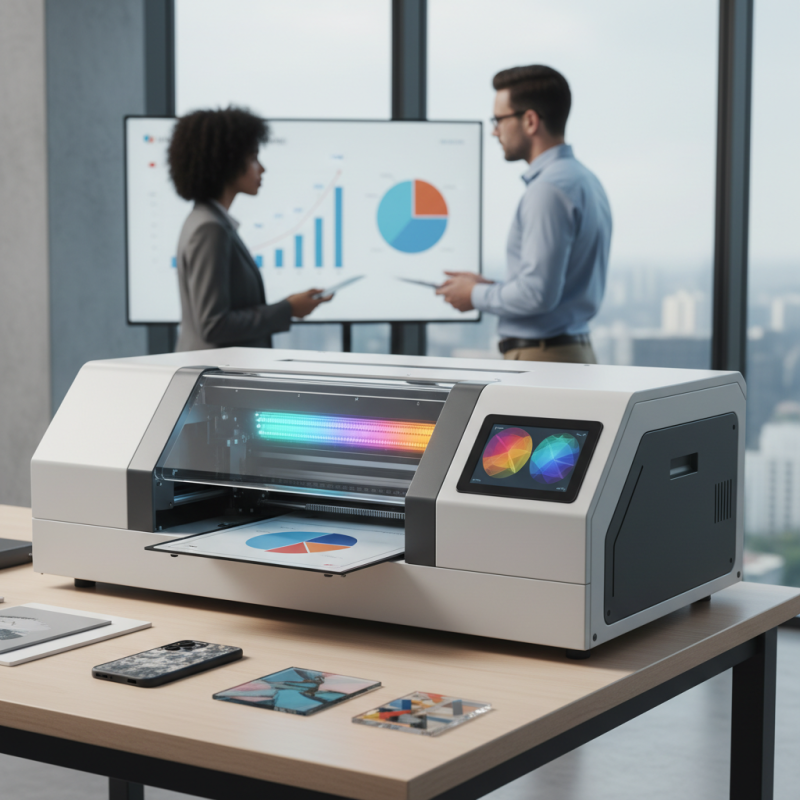
UVLED flatbed printing has revolutionized the way businesses approach printing technology. This method uses ultraviolet light to cure or harden the ink as it is printed. Unlike traditional printing, the UVLED process can print on a variety of surfaces, including wood, glass, and metal. This versatility opens up numerous possibilities for creative projects. However, not all surfaces respond well. Testing is crucial to determine compatibility.
Another advantage of UVLED flatbed printers is their speed. The curing process allows for immediate handling of materials post-printing. This can significantly increase production efficiency. However, the initial investment in this technology can be high. Businesses must weigh the upfront costs against long-term benefits. It may require some time to see the return on investment.
Understanding the intricacies of UVLED technology is essential before making a decision. While the quality of prints can be exceptional, not every project will achieve the desired results. Some colors may not appear as vibrant on all materials. Experimentation might be necessary. Continuous learning and adapting are part of the process.
Evaluating Your Business Needs for UVLED Printing
When considering UVLED flatbed printing, it's essential to evaluate your specific business needs. Start by identifying your target market. Are you focusing on signage, packaging, or custom products? Each domain has unique demands. Understanding these nuances will help tailor your printing process effectively.
Another critical aspect is volume and scalability. Will your business handle large orders regularly? If so, ensure the equipment can keep up with production demands. Think about the types of materials you'll often print on. UVLED printing offers versatility, but some materials may require adjustments in settings or technique.
Cost factors are also vital. Initial investment is important, but ongoing expenses matter too. Maintenance, ink costs, and energy consumption can add up. It’s wise to assess if your business can bear these long-term commitments. Reflect on these considerations carefully, as not every choice may fit your operational model uniformly.
Comparing UVLED vs. Traditional Printing Methods
When choosing between UVLED and traditional printing methods, it’s crucial to understand their differences. UVLED printing uses ultraviolet light to cure ink instantly. This leads to vibrant colors and sharp details. On the other hand, traditional methods often rely on solvents or water to dry the ink. This can take longer and affect the overall quality.
Consider the materials you plan to print on. UVLED is versatile—working on plastic, wood, and metal. Traditional printing may not adapt as well to diverse surfaces. But, it typically offers a more familiar process for many printers. Some businesses might find the transition challenging. There's a learning curve to master UVLED technology.
Environmental impact is another point of reflection. UVLED generally produces fewer volatile organic compounds (VOCs), making it a greener choice. However, the technology can be more expensive to implement initially. This can pose a risk for smaller businesses. Assessing upfront costs versus long-term benefits is essential in making the right choice.
How to Choose UVLED Flatbed Printing for Your Business? - Comparing UVLED vs. Traditional Printing Methods
| Criteria | UVLED Printing | Traditional Printing |
| Initial Cost | Higher | Lower |
| Setup Time | Shorter | Longer |
| Print Quality | High Resolution | Variable |
| Material Compatibility | Wide Range | Limited |
| Eco-Friendliness | Lower Emissions | Higher Emissions |
| Speed | Faster | Slower |
Assessing Costs and Budget for UVLED Flatbed Printers
When considering UVLED flatbed printing for your business, assessing costs and budget is crucial. These printers can range significantly in price. A lower-end model may start around a few thousand dollars. High-end options, however, can exceed tens of thousands. It’s essential to evaluate your needs carefully before making a commitment.
Tips: Start by identifying the materials you intend to print on. Prices may vary based on compatibility. Know your volume needs, as that will dictate the size and capability of the printer you require. Maintenance costs are also part of the budget. Quality printers may require regular servicing, which can add up. Be prepared for both upfront and ongoing expenses.
Don’t overlook the total cost of ownership. This includes inks, replacement parts, and even training for your staff. Consider the return on investment as well. Will increased production justify the cost? Remember, not every printer is right for every business. It’s essential to weigh potential profits against expenses and think about the long-term implications of your choice.
Cost Analysis of UVLED Flatbed Printers
Choosing the Right Supplier for UVLED Printing Solutions
When selecting a supplier for UVLED printing solutions, consider several key aspects. Research is essential. A recent industry report indicates that 70% of businesses cite quality as their top priority when choosing a printing partner. Look for suppliers who demonstrate consistency in delivering high-quality prints. Examine their previous work, not just testimonials.
Another critical factor is technology. Suppliers should use advanced UVLED technology. This technology offers vibrant colors and reduced curing times. According to a study, businesses utilizing UVLED printers see productivity increases of up to 40%. However, not all suppliers keep pace with technological advancements. Some may still rely on outdated methods. This could affect your final product quality.
Customer support is a deciding element. Suppliers should offer responsive, knowledgeable support. But, there are cases of subpar communication from suppliers. Prospective clients might feel neglected during troubleshooting. This can delay production. Investigating a supplier’s service model can save headaches down the line. Always ask for clarity on their support processes before committing.