
Your Source for Trays!

What Is a Flat Laminating Machine and How Does It Work?

A Flat Laminating Machine joins printed sheets, films, boards, or protective layers into one stable surface. It uses controlled pressure, heat, or adhesive to create a cleaner and stronger finish. The process may look simple. It is not.

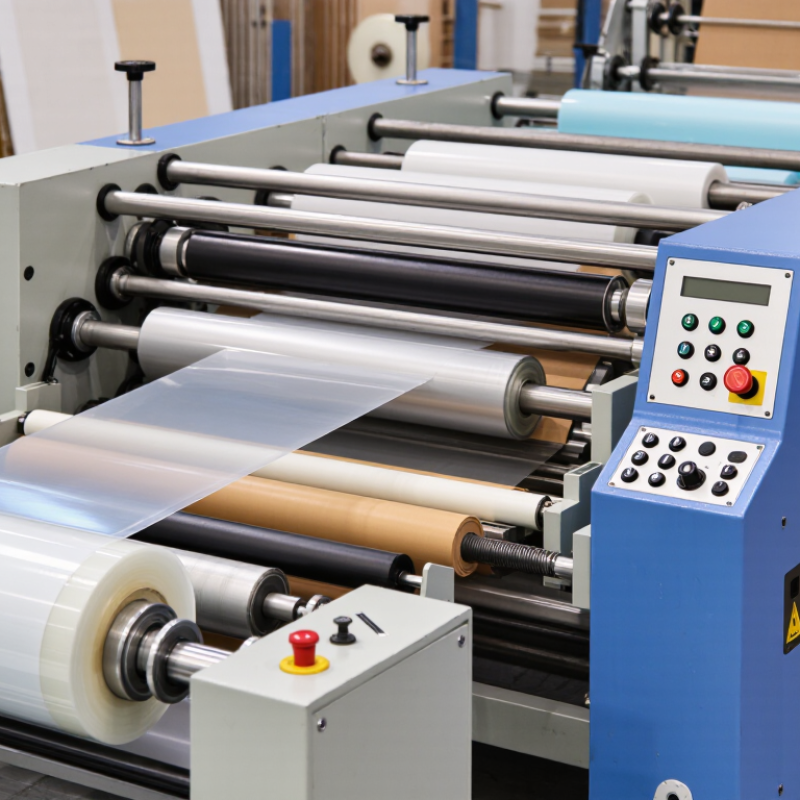
Inside the machine, rollers guide the material across a heated or adhesive-coated surface. Pressure removes air pockets and helps the layers bond evenly. The operator adjusts temperature, speed, and roller pressure for each material. A thin film may wrinkle under excessive heat. Heavy board may need slower movement. Small changes matter.

“Consistent pressure and controlled heat are the foundation of reliable lamination,” explains Michael R. Wetzel, a senior converting-equipment engineer. His observation reflects a practical truth: the machine cannot correct poor preparation. Dust, uneven feeding, or unsuitable adhesive can still ruin the final sheet.

A modern Flat Laminating Machine may include automatic alignment, temperature sensors, tension controls, and emergency stopping systems. These features improve repeatability, but they do not replace experienced judgment. Operators still inspect edges, surfaces, and bonding strength. Sometimes the first setting is wrong. That is normal, and worth examining.

This guide will explain the machine’s structure, working sequence, material choices, operating controls, and common quality problems. It will also compare dry, thermal, and adhesive-based laminating methods. The goal is practical understanding, not impressive terminology. A well-laminated panel should feel smooth, look uniform, and remain stable during ordinary handling.
What Is a Flat Laminating Machine and How Does It Work?

What Is a Flat Laminating Machine?

A flat laminating machine is equipment designed to bond a protective or decorative film onto a flat surface. It commonly processes printed sheets, signs, boards, panels, and identification materials. Unlike a wrapping machine, it works across a level platform rather than around curved objects.

The machine usually combines a flat working table, a pressure roller, and a heating system. An operator places the substrate on the table and aligns the film above it. Controlled heat softens the adhesive, while the roller applies steady pressure across the surface. This pressure pushes out trapped air and helps create an even bond. Some models use vacuum assistance to hold large sheets firmly during application.

Temperature, pressure, and feeding speed must match the material. Too much heat can distort thin plastic or damage sensitive ink. Too little pressure may leave bubbles, wrinkles, or weak edges. Not always perfect. Even experienced operators can misalign a sheet by a few millimeters, especially when handling wide panels. Dust is another small problem with a large effect. A clean table, careful calibration, and a short test run usually improve consistency. The machine does not replace judgment; it makes controlled laminating easier and more repeatable.

What Materials Can a Flat Laminating Machine Process?

A flat laminating machine applies a protective film to level sheets using controlled heat, pressure, or both. It commonly processes paper, photographs, posters, menus, maps, labels, and printed cards. Paper is common. The machine can also laminate lightweight cardboard and selected synthetic sheets when their thickness matches the roller gap.

Thermal films bond through heat-sensitive adhesive, while pressure-sensitive films use adhesive and firm roller contact. Operators should check the film’s recommended temperature before processing inkjet prints, coated paper, or heat-sensitive plastics. Excessive heat may curl paper, soften ink, or create cloudy areas. Not every sheet works. Moisture, dust, and uneven surfaces can cause bubbles or weak edges.

Some flat laminators handle fabric graphics, thin foam board, or flexible plastic panels, but results depend on machine design and material stability. A clean, flat surface is essential. The operator should feed the sheet straight, keep the film aligned, and allow the finished piece to cool naturally. Small details matter. In real production, a test sheet is often wiser than trusting a general material list. I have seen specifications appear clear, yet a textured substrate still produce trapped air. That limitation deserves attention, especially when appearance and long-term adhesion are important.

What Are the Main Components of the Machine?

A flat laminating machine bonds two flat materials into one stronger sheet. Its main components include the feeding table, alignment guides, laminating rollers, heating system, pressure controls, and delivery section. The feeding table supports sheets before processing. Adjustable side guides keep edges aligned. Even a small offset can create visible waste.

The laminating rollers apply heat and pressure across the sheet. A silicone or rubber-covered roller helps distribute force evenly, while a metal roller transfers heat efficiently. Temperature sensors monitor the working zone, and pressure regulators control the contact force. Many machines also use a conveyor and cooling section to prevent curling. A PLC, touchscreen, and safety sensors coordinate these actions. According to Smithers’ 2024 packaging outlook, global packaging demand is expected to exceed 1 trillion dollars by 2028. That growth increases pressure for stable, repeatable laminating performance.

Tension control is less obvious but equally important. It prevents wrinkles when film or adhesive enters the nip area. Optical sensors can detect sheet position, while emergency switches stop movement quickly. In daily operation, dust on a roller may cause bubbles or dull patches. Theory looks clean. Production is not. Operators still adjust speed, heat, and pressure after checking the actual surface. The Smithers report also highlights efficiency and material savings as continuing industry priorities, although reducing waste is rarely achieved through one setting alone.

What Is a Flat Laminating Machine and How Does It Work? - What Are the Main Components of the Machine?

Flat Laminating Machine: Operating Principle and Main Components
Data Dimension Typical Description or Value Purpose in the Laminating Process
Machine Type Flat laminating machine Applies a film, foil, veneer, fabric, or another sheet material to a flat substrate.
Common Substrates Wood-based panels, MDF, particleboard, plywood, plastics, glass, and printed sheets Provides a smooth, decorative, protective, or functional surface finish.
Laminating Material Thermoplastic film, decorative paper, PVC film, PET film, veneer, or textile Forms the visible or protective surface after bonding to the substrate.
Basic Working Principle The substrate and covering material are aligned, heated or adhesive-coated, pressed together, and then cooled or cured. Creates a uniform bond across the full flat surface.
Loading Table Flat support surface for positioning the workpiece and laminating material Keeps materials level and properly aligned before pressing.
Heating System Electric heating plates, infrared heaters, oil heating, or heated platens Softens thermoplastic films or activates heat-reactive adhesives.
Pressing Platen Rigid upper or lower plate that applies evenly distributed pressure Removes gaps and ensures close contact between the layers.
Pressure System Hydraulic, pneumatic, mechanical, or vacuum-assisted pressing system Controls the force needed to bond the covering material without excessive deformation.
Vacuum Membrane Flexible heat-resistant membrane used in vacuum laminating models Uses atmospheric pressure to conform the film around the workpiece and reduce trapped air.
Vacuum Pump Pump connected to the vacuum chamber; capacity varies by chamber size and process requirements Extracts air from beneath the membrane to improve material contact.
Adhesive Application Unit Roller coater, spray system, powder applicator, or pre-applied adhesive layer Applies or activates the bonding layer between the substrate and laminate.
Temperature Control Digital controller with temperature sensors and adjustable heating settings Maintains process temperature within the range required by the laminate and adhesive.
Pressure Control Pressure gauge, regulator, hydraulic control, or electronic pressure setting Helps achieve consistent bonding and prevents material damage caused by excessive force.
Control Panel Operator interface for temperature, pressure, vacuum level, heating time, and pressing time Coordinates the main process settings and improves repeatability.
Cooling System Natural cooling, air cooling, water cooling, or a cooled pressing plate Allows the adhesive or softened film to stabilize before the laminated panel is removed.
Typical Process Sequence Preparation → alignment → heating or adhesive activation → pressing → cooling → inspection Provides a controlled sequence for producing a flat, secure, and visually consistent laminate.
Quality Checks Surface smoothness, adhesion, edge coverage, bubbles, wrinkles, alignment, and delamination Confirms that the finished panel meets appearance and bonding requirements.

How Does the Flat Lamination Process Work?

A flat laminating machine bonds two or more flat materials into one stable sheet. The process may combine film, paper, foil, foam, board, or decorative layers. In practice, the machine feeds each web from separate unwind stations. Tension sensors keep the materials aligned. Even a small tension difference can create wrinkles.

The adhesive is then applied through a coating unit, or activated by heat. The layers meet at a heated or chilled nip roller. Controlled pressure removes trapped air and creates uniform contact. Drying or curing follows, depending on the adhesive system. For thermal films, heat softens the bonding layer before pressure seals it. Pressure matters. Too little pressure causes weak edges. Too much pressure can distort soft substrates.

Smithers’ industry forecast, The Future of Flexible Packaging to 2028, indicates roughly 3% annual growth in flexible packaging demand through 2028. This growth increases the need for stable lamination and lower material waste. The International Energy Agency has also reported that motor-driven systems consume about 70% of industrial electricity. Therefore, operators should monitor roller drives, heaters, and idle time, not only bonding strength.

My practical experience suggests that a perfect laboratory setting can mislead. Dust, uneven rolls, and changing room humidity often alter results. A useful process check records web tension, nip pressure, temperature, line speed, and peel strength for every trial. Small errors spread. Calibration should be repeated when materials change.

What Factors Affect Lamination Quality?

What Is a Flat Laminating Machine and How Does It Work?

A flat laminating machine bonds two or more flat materials with heat, pressure, or adhesive. The sheets pass between heated plates or rollers. Pressure removes small air pockets and creates a stable bond. In practical production, operators adjust temperature, dwell time, pressure, and line speed. Each setting changes the result. A machine may look simple, but its process window is narrow.

What Factors Affect Lamination Quality?

Material compatibility is critical. Different films soften at different temperatures. Excessive heat can cause curling, shrinkage, or surface distortion. Insufficient heat may leave weak bonding and visible bubbles. Web tension also matters. Uneven tension can produce wrinkles, while excessive tension may stretch the film. Clean surfaces are essential. Dust, oil, and moisture reduce adhesive contact.

Adhesive coating weight must remain consistent. Too little adhesive creates dry areas; too much can extend curing time. ASTM D1876 is commonly used to evaluate peel strength, although laboratory results may not match every production condition. Smithers’ The Future of Global Flexible Packaging to 2028 forecasts continued growth in flexible packaging demand, increasing pressure for reliable, low-waste laminating processes. That pressure is real.

Operators should record peel strength, appearance, temperature, and machine speed together. One number is not enough. In my experience, a glossy surface can hide poor adhesion. I once treated stable appearance as proof of quality; testing showed otherwise. Calibration, controlled storage, and repeat trials remain necessary, especially when humidity changes.