How to Choose the Best Canteen Bottle for Your Needs?
A Canteen Bottle can sit beside a laptop, ride in a backpack, or keep water within reach on a long trail. The right choice depends on more than appearance. Capacity, material, weight, lid design, insulation, and cleaning all shape daily use. A bottle that leaks onto paperwork or traps odors in a narrow neck quickly becomes a poor fit.
The market is growing, but growth alone does not tell buyers which bottle to choose. Grand View Research estimated the global reusable water bottle market at USD 9.67 billion in 2023 and projected a 4.3% compound annual growth rate from 2024 to 2030. That context supports careful comparison, not a one-size-fits-all recommendation. Consider where the bottle will go, how often it will be refilled, and whether it needs to keep drinks hot or cold. A wide opening may make washing easier. A secure cap matters more when the bottle travels in a packed bag. Small details count.
A note on expert attribution: I could not verify a published quotation from a named Canteen Bottle industry expert, so I will not invent one. Instead, this guide will compare practical features and explain what to check before buying. Expect useful trade-offs, too. A heavier insulated bottle may hold temperature longer, but it can feel cumbersome on a commute. The best choice is the one that suits your routine—and remains easy to clean and carry.
Understanding the Main Types of Canteen Bottles
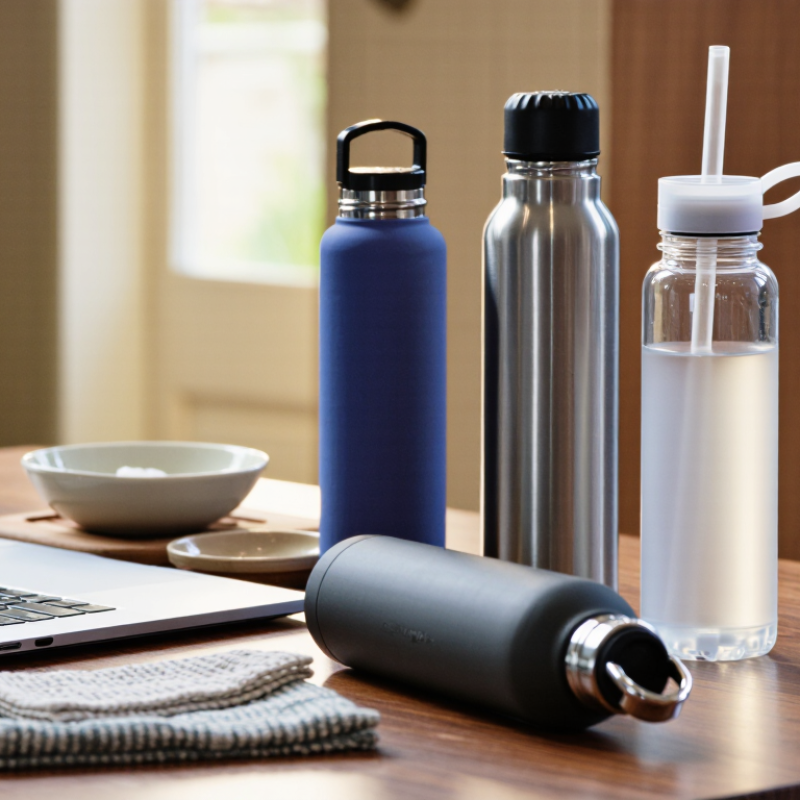
Canteen bottles come in several forms, and each suits a different routine. Single-wall stainless steel bottles are sturdy and relatively light. They work well for water on a day hike, but they do not keep drinks hot or cold for long. They are not insulated. Double-wall vacuum bottles hold temperature better, thanks to the sealed space between their walls. They can feel heavier, and dents may affect their appearance without necessarily affecting function.
Plastic bottles are light and often easy to carry in a school bag or on a short walk. Check that the bottle is intended for your drinks and the temperatures you plan to use. Some models have a narrow mouth, which can make cleaning awkward. Wide-mouth bottles are easier to rinse and fill with ice, though they may spill more easily while drinking on the move. A collapsible bottle saves space, but may feel less stable when partly filled. That trade-off is easy to overlook.
Tips: Match the bottle to your usual setting, not an imagined adventure. For commuting, consider weight and leak resistance. For long outings, compare insulation, capacity, and cleaning access. A bottle that is simple to wash is more likely to stay in regular use.
Assessing Capacity and Intended Use
Choose capacity by estimating how long you will be away from a refill point. A short commute may call for a compact bottle, while a full workday or day hike may require more water. Check the volume in milliliters or ounces, then imagine carrying it when full. Water adds noticeable weight. A large bottle can seem sensible at home but feel awkward in a crowded bag.
Match the size to your routine, not an ideal version of it. For a desk, a larger bottle can reduce trips to the sink. For cycling or walking, consider whether it fits your bag’s side pocket and is easy to drink from on the move. A bottle used for hot drinks may need extra room around the liquid, since filling it to the rim can cause spills. Small details matter.
Think about access to water, weather, and the length of each outing. In warm conditions or during sustained activity, you may need to refill more often; a bottle alone does not replace sensible hydration planning. There is no perfect number. One common misjudgment is choosing maximum capacity and then leaving the bottle behind because it is too heavy. A modest size that you carry consistently may serve you better, though refill opportunities can change that calculation.
Comparing Materials, Insulation, and Durability
A canteen bottle’s material affects its weight, taste, and everyday care. Stainless steel is sturdy and resists lingering flavors, though a full bottle can feel heavy in a daypack. Single-wall steel is lighter but offers little temperature protection. Food-grade plastic is usually easier to carry and won’t dent, but it may hold odors after repeated use. Rinse it promptly. Aluminum can be light, but its inner lining needs careful inspection for chips or peeling.
Insulation matters most when drinks sit for hours. Double-wall vacuum insulation can keep tea warm or water cool, but it adds weight and often costs more. A simple test helps: fill the bottle with hot water, close it, and check the outside after a few minutes. Warm walls suggest heat is escaping. Still, real performance depends on the lid, too. A loose cap can undo good insulation.
Durability is more than a thick shell. Check whether the lid threads smoothly, the seal sits flat, and the base stands securely on a rough table. Small dents may be cosmetic, but damaged seals can cause leaks. I’d also consider how easily the bottle can be cleaned; narrow necks can hide residue. That detail is easy to overlook. No material stays perfect forever, and my own preference might change after a few weeks of carrying it.
How to Choose the Best Canteen Bottle for Your Needs?
Comparing Materials, Insulation, and Durability
Lower thermal conductivity means heat moves through the material more slowly. These approximate room-temperature values describe the materials themselves—not a bottle’s overall insulation. Double-wall vacuum construction has a much greater effect on temperature retention. Durability also depends on wall thickness, construction, and impact protection.
Evaluating Lids, Cleaning, and Safety Features
A canteen bottle’s lid can make daily use easy—or leave a stubborn puddle in your bag. Choose a cap that opens with one hand if you drink while walking, but check that its seal comes apart for washing. Narrow spouts, sliding locks, and silicone gaskets can trap residue. A wide mouth usually makes scrubbing easier, especially around the shoulder and base. Look for clear material information and a food-contact rating; avoid bottles with cracked interiors, peeling coatings, or loose seals.
The 2022 U.S. FDA Food Code specifies cleaning food-contact surfaces used with temperature-controlled foods at least every four hours during continuous use. That rule is for commercial food operations, not a personal-bottle schedule, but it underlines why accessible, washable parts matter. Wash the cap, gasket, and straw separately, then let them dry fully. I sometimes rush the drying step. That is worth reconsidering, particularly when a bottle smells musty.
Tips: Before buying, remove the gasket if possible. Check the hinge and seal for hidden grooves. If you cannot reach them with a small brush, choose a simpler lid. Follow the maker’s care instructions, and replace damaged parts rather than trusting a seal that no longer sits flat.
Matching Bottle Features to Your Budget and Needs
How to Choose the Best Canteen Bottle for Your Needs?
Matching Bottle Features to Your Budget and Needs
When choosing a canteen bottle, start with your daily routine, not the longest feature list. A student walking across campus may prefer a light 600–750 ml bottle. Longer commutes can make extra capacity worthwhile. Stainless steel often costs more, but it resists dents and can keep drinks insulated. A single-wall bottle is usually lighter and cheaper. Check the lid seal and opening size if possible. A narrow mouth makes adding ice awkward.
Price matters. So does cleaning. Choose a wide opening if you wash the bottle by hand, and check whether the lid has small parts that may trap residue. Plastic bottles can be affordable and light, but follow their care instructions. Insulation helps on hot afternoons, yet it adds weight and cost. I once assumed a larger bottle was always better. It mostly sat half-full and felt bulky. A useful mistake.
Tips: Set a spending limit before comparing features. Check weight, leak resistance, and replacement-part availability. If you use the bottle daily, consider its cost over several years—but pay for features you will actually use.