How to Choose the Best Divider Boxes in 2026?
Choosing the best divider boxes in 2026 starts with a clear look at what you plan to store, ship, or display. A box that protects glass jars may not suit small electronic parts. Measure the items, including their height, and note how often they will be handled. Fit matters.
Next, compare the divider material, cell size, and overall box strength. Cardboard dividers are often practical for lightweight goods and routine shipping. For heavier products or repeated use, sturdier board or reusable designs may be worth considering. Check whether the dividers stay in place when the box is moved. A few sample units can reveal loose cells or awkward loading before a larger order.
Small differences add up. Think about storage space, packing time, product visibility, and whether the box can be recycled through local programs. Ask suppliers for specifications and samples rather than relying on photographs alone. If you handle fragile products, test a filled box under realistic conditions; a divider can reduce contact between items, but it cannot replace suitable cushioning or careful packing. That distinction is easy to overlook.
There is no single best option for every business. In practice, a lower-cost box may save money at purchase but take longer to pack. A stronger design may protect products better while using more material. The right choice depends on your product, workflow, and budget—and sometimes the first sample will not be the right one. Compare those trade-offs before choosing divider boxes for 2026.
What Divider Boxes Are and Where They Are Used
How to Choose the Best Divider Boxes in 2026?
What Divider Boxes Are and Where They Are Used
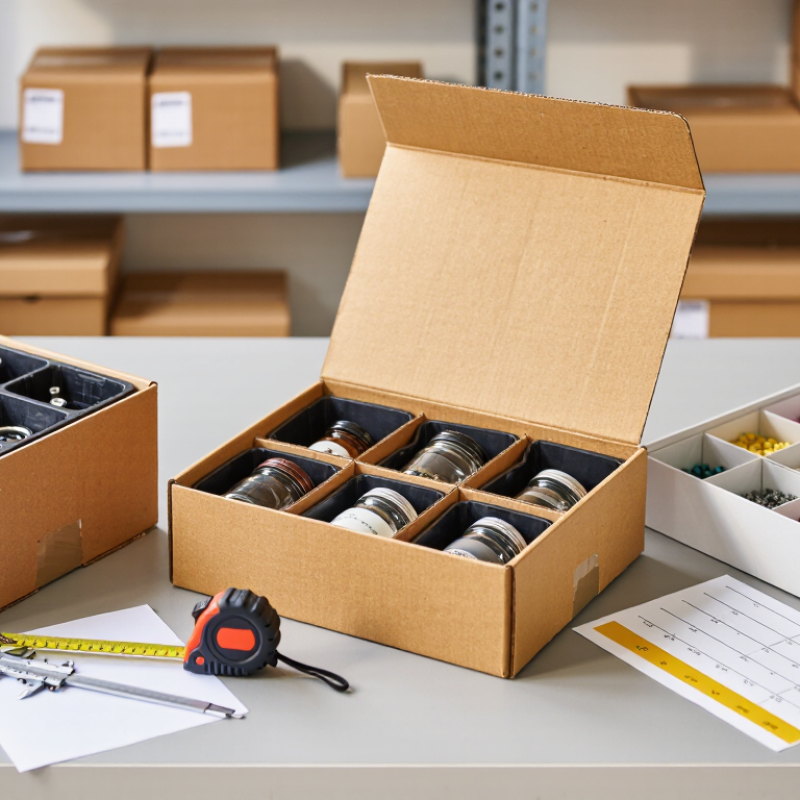
Divider boxes are cartons fitted with partitions that separate items during storage or transit. The cells can be sized for bottles, glass jars, small components, or medical supplies. A snug fit limits contact between objects and helps prevent scratches, chips, and rattling. Small parts stay put. Dividers are commonly used inside shipping cartons, warehouse totes, retail trays, and reusable distribution containers.
Their best use is practical: keeping similar items organized while reducing impact between them. Imagine a box of glass jars moving through a delivery van. Individual cells help stop the jars from knocking together when the vehicle turns. Divider materials include corrugated board, paperboard, and molded fiber; the right choice depends on item weight, moisture exposure, and how often the box will be reused. A tidy grid is not always a good fit. Oversized cells can let products shift, while tight ones slow packing.
Material choice also matters at scale. The U.S. EPA’s 2018 Advancing Sustainable Materials Management report estimated that containers and packaging made up 82.2 million tons, or 28.1 percent, of U.S. municipal solid waste. That figure covers many packaging types, not divider boxes alone, but it shows why packers should consider material use and end-of-life handling. For a trial, place the actual products in a sample box, then check for movement after gentle handling. One weak corner can undo a careful layout.
Common Divider Box Types and Their Configurations
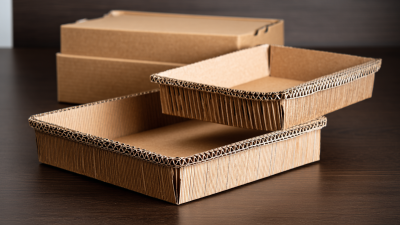
Corrugated cell dividers suit shipping cartons that need lightweight, recyclable protection. Their grid can be fixed or adjustable, with cell width matched to each product’s shape. A snug fit limits movement; overly tight cells can scuff finishes or slow packing. The U.S. Environmental Protection Agency reported that 32.1 million tons of corrugated boxes were recycled in 2018, from 33.3 million tons generated. That figure supports corrugated’s established recovery system, but coatings, adhesives, and mixed materials can complicate recycling. Check the full package, not just the divider.
Molded-pulp inserts work well for items with irregular contours, such as small appliances or glass components. They can cradle corners and reduce part-to-part contact, though moisture may soften some designs. Plastic dividers are washable and durable for repeated warehouse cycles; choose solid walls for separation or open grids for airflow. Foam partitions cushion delicate surfaces, but they take more storage space and may be harder to recover locally. Fit matters. Before specifying a configuration, measure the product at its widest points and test a loaded box through realistic handling. A tidy sample can still fail when cartons stack, tilt, or face vibration. The best layout is rarely the most elaborate one.
Materials, Durability, and Environmental Considerations
How to Choose the Best Divider Boxes in 2026?
Materials, Durability, and Environmental Considerations
The right divider material depends on what each box must protect. Corrugated cardboard is lightweight and easy to recycle where local facilities accept it. It works well for dry goods, but repeated handling or a damp warehouse can soften its edges. Molded pulp cushions delicate items and can fit irregular shapes. Check that its cells hold products securely without pressing against fragile surfaces.
Plastic dividers, often made from polypropylene, resist moisture and suit repeated trips between storage and packing areas. They can last longer, but only if they are durable enough to stay in circulation. Ask about recycled content, repair options, and end-of-life collection. Recycling access varies. A recyclable material may still become waste if local facilities do not accept it.
Test a sample with the actual products, not an idealized load. Shake the box gently, stack it, and inspect corners after several handling cycles. Small details matter: a divider that bows by a few millimeters may let glass items collide. Measure the box interior, too; overly tight inserts waste material and make packing slower. There is no perfect option. A sturdy reusable divider can have a higher initial footprint, and a paper insert may need frequent replacement. That trade-off deserves a real trial.
How to Choose Divider Box Materials: Recycling Rates
U.S. recycling rates by material, 2018. These are national municipal solid waste figures—not recycling rates for specific divider boxes.
What this means: Paper and paperboard had the highest recycling rate among these material groups. When choosing divider boxes, also consider how well the material protects items, how many uses it can withstand, and whether local facilities accept it.
Source: U.S. Environmental Protection Agency, Facts and Figures about Materials, Waste and Recycling (2018 data).
Key Factors for Comparing Divider Boxes in 2026
Compare divider boxes by measuring the product, not guessing from a catalog photo. Record each item’s length, width, height, and fragile contact points; then check cell dimensions and divider height. A snug fit limits movement, while excessive pressure can damage edges. Fit matters most.
Material choice affects protection, weight, and disposal. For paperboard options, ask for board grade, flute profile, and moisture resistance, then test a packed sample during stacking and handling. The U.S. Environmental Protection Agency’s 2018 Advancing Sustainable Materials Management report estimated that 96.5% of corrugated boxes were recycled. That is a strong recovery rate, but it does not prove every divider design is recyclable; coatings and mixed materials may complicate sorting. Check the actual construction.
Compare how quickly staff can load the cells, too. Repeated folding, tight slots, or dividers that shift can slow packing and create inconsistent protection. Use representative products and a realistic shipping test, such as an ISTA procedure suited to the package. Record damage, assembly time, and box weight across several trials. A perfect specification can still miss a rushed packing line. I would not choose from price alone; the cheapest sample may need more handling or fail under real conditions.
How to Match a Divider Box to Your Storage Needs
Start with the objects, not the box.
Measure the longest item, its width, and the space needed to lift it out. Leave a little clearance. Snug compartments can reduce rattling, but tight cells may make retrieval awkward. Sort a sample batch first. Small screws, charging cables, craft tools, and pantry sachets all need different compartment sizes.
For a fixed collection, molded dividers can keep items consistently separated. If the contents change often, adjustable dividers offer more flexibility, though loose inserts may shift when the box moves. I used to assume more compartments meant better organization; that is not always true. A dozen tiny cells can slow down packing when several larger items need to fit. Test the layout with your actual contents before committing.
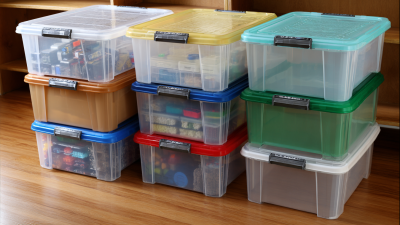
The storage environment matters, too. A clear lid helps identify contents on a shelf, while an opaque box can shield light-sensitive materials. For damp areas, check whether the box and dividers are easy to wipe dry; trapped moisture can be a problem. Consider the box’s weight when full, the strength of its latches, and whether stacked boxes remain stable. It is easy to focus on compartment count and overlook daily handling. Try opening the box with one hand, then check whether items stay in place when it is carried.