
585.204.6770
sale@sanblueplastics.com
Your Source for Trays!
How to Choose the Best Electric Chair for Home Use?
Choosing an Electric Chair for home use is not just a matter of style or price. It means matching the chair to the person, the rooms, and everyday routines. Some buyers need a powered wheelchair for moving around the home; others need a lift recliner for standing more safely. These products serve different purposes. Measure doorways, turning space, seat height, and the route to charging points before comparing models. Small details matter. A chair that cannot clear a narrow hallway may become an expensive obstacle.
The need for suitable mobility equipment is substantial. The World Health Organization’s 2023 wheelchair provision guidance estimates that about 80 million people worldwide need a wheelchair, while access remains limited. AARP’s 2024 Home and Community Preferences Survey found that 75% of adults aged 50 and older want to remain in their homes as they age. These figures make fit, safety, and reliable support more than shopping preferences. They are practical needs. Rehabilitation engineer Dr. Rory Cooper’s research focuses on how wheelchair design can support mobility and participation; his work offers a useful reminder that personal fit matters as much as technology. Still, no checklist replaces a careful trial. Compare controls, transfer support, battery range where relevant, upholstery, warranty terms, and local servicing. Ask a clinician or qualified seating professional when posture, pain, or complex mobility needs are involved. The best choice is the one that works in your actual home—not just in a showroom.
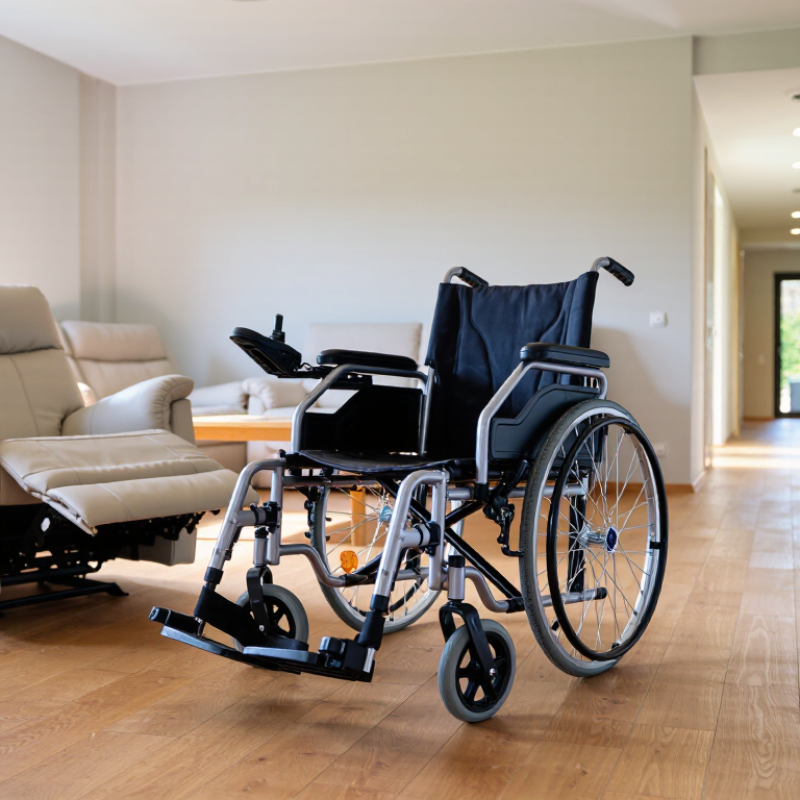
Identify the Type of Electric Chair That Fits Your Needs
“Electric chair” can describe different equipment, so start with the task you need help with. A powered wheelchair is designed for moving around, indoors or outdoors. Consider where you will use it most. Tight hallways call for a compact frame and a small turning radius. Uneven paths may require sturdier wheels and suitable ground clearance.
A lift recliner helps you rise from a seated position and change posture at home. It does not provide mobility around the room. Check that the seat height, width, and footrest fit your body; a poor fit can make transfers harder. If stairs are the main obstacle, a stair lift may be more relevant than either chair. The categories overlap a little, and product descriptions can make the choice seem simpler than it is. Ask a clinician or occupational therapist to assess seating, transfers, and support needs.
Tips: Measure doorways, turning spaces, and the place where the chair will be stored. Try the controls and transfer motion before buying, if possible. Note charging access, cleaning needs, and caregiver space. Small details matter. If pain, balance, or posture is a concern, get tailored advice rather than relying on appearance alone.
How to Choose the Best Electric Chair for Home Use? — Identify the Type That Fits Your Needs
| Chair Type | Best Suited For | Powered Functions | Space and Setup | Important Considerations |
|---|---|---|---|---|
| Power Lift Recliner | People who have difficulty standing up from a seated position or want powered reclining at home. | Raises and tilts the seat forward to assist with standing; commonly reclines the back and raises the footrest. | Needs a nearby power outlet and enough room for the chair to recline or move forward. Some models are designed to sit closer to a wall. | Check the user's weight capacity, seat width and depth, lifting motion, and whether the controls are easy to operate. It supports standing but does not replace a safe transfer plan. |
| Power Recliner | People seeking adjustable seating for relaxation who can get in and out of the chair without a lifting function. | Electrically adjusts the backrest and, on many models, the footrest. | Requires an outlet and clearance for the reclining mechanism. Wall-hugger designs may need less space behind the chair. | Confirm that the chair's seat height and depth are comfortable. A standard power recliner generally does not lift the user to standing. |
| Power Wheelchair | People who need a powered mobility device for moving around the home and cannot comfortably propel a manual wheelchair. | Electric drive controlled by a joystick or another compatible control; some models offer powered seating adjustments. | Measure doorways, hallways, turning areas, and the intended storage or charging space. Indoor maneuverability varies by model. | Check the chair's overall width, turning space, range, terrain limits, battery charging needs, and transport requirements. A professional assessment can help match the controls and seating to the user. |
| Power Tilt-in-Space Wheelchair | Users who need frequent repositioning or additional postural support while seated, as assessed by a qualified clinician. | Tilts the seat and back together while maintaining their angle; some models also provide powered recline or leg positioning. | Typically larger and heavier than a basic indoor power chair, so check access routes, turning areas, and transport arrangements. | Seating, positioning, and pressure-management needs should be assessed by a rehabilitation professional. Tilt and recline are distinct functions and are not interchangeable. |
| Power Chair with Stand-Up Function | Some users who need a powered mobility chair and have a specific standing goal approved by their care team. | Provides powered mobility and raises the seating position toward standing; functions vary by model. | Often needs extra clearance and a suitable, level operating area. Check doorway width, turning space, and storage access. | Standing features are not suitable for everyone. Confirm clinical suitability, transfer and fall-safety needs, user fit, and caregiver support before choosing this type. |
Before choosing: Measure the user and the home access route, including doorways and turning areas. Verify seat dimensions, weight capacity, power and charging requirements, and the space needed for operation. Product features vary; consult a qualified healthcare or mobility professional when the chair is intended to address mobility, posture, transfer, or pressure-management needs.