585.204.6770
sale@sanblueplastics.com
Your Source for Trays!
Expanding a Maocai brand beyond its home market requires more than copying a popular menu. Maocai Business Expansion begins with understanding local tastes, food regulations, and customer expectations. The spicy broth that succeeds in Chengdu may overwhelm diners in London or Toronto. Portion sizes, spice levels, ingredient choices, and service speed may need careful adjustment.
A practical expansion plan starts with a controlled pilot store or delivery kitchen. Test a small menu first, including signature broth, fresh vegetables, tofu products, meat options, and clear allergen information. Local food permits, hygiene inspections, supplier standards, and temperature records must guide every decision. Reliable cold-chain logistics are essential for leafy greens, seafood, and prepared ingredients. Local trust matters.
Strong operators also document recipes and train staff consistently. A visible preparation area can reassure customers when cleanliness is maintained. Partnerships with experienced local distributors may reduce waste and improve delivery times. However, overseas partnerships require due diligence, written quality standards, and regular audits. Marketing should explain Maocai clearly without claiming health benefits or misrepresenting its origin.
Expansion rarely follows a perfect formula. A first pilot may reveal that customers prefer milder broth or smaller portions. That is useful evidence, not failure. Customer reviews, repeat-purchase data, and staff observations should shape the next version. The goal is not rapid growth alone. It is a legally compliant, culturally aware, and financially sustainable Maocai brand that earns confidence one bowl at a time.
How to Expand Your Maocai Business Globally?
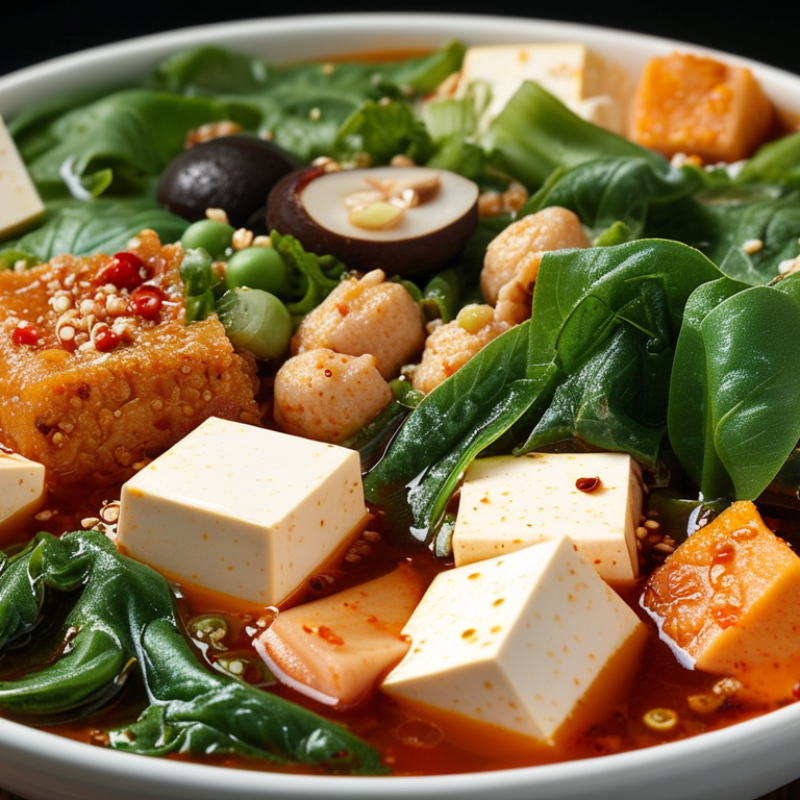
Maocai needs a clear identity before entering overseas markets. It is a Sichuan-inspired bowl meal built around simmered ingredients, aromatic broth, and personal choice. The product should feel warm, flexible, and freshly prepared. Its story can highlight regional cooking knowledge without presenting tradition as a decoration. Customers should understand what they are ordering within seconds.
Market position must connect authenticity with everyday convenience. In pilot tastings, customers often respond to visible ingredients, adjustable spice levels, and quick service. However, not every customer wants intense heat. That matters. A practical menu can offer mild, medium, and hot options while preserving the broth’s layered flavor. Clear ingredient displays can also support customers with allergies or dietary restrictions.
Reliable expansion depends on repeatable standards. Each location should document broth preparation, ingredient storage, cooking times, portion sizes, and temperature controls. Staff training should include flavor explanations, hygiene routines, and respectful communication about cultural origins. Packaging must protect texture during delivery and provide accurate ingredient information. Local research is still necessary. A flavor that feels balanced in one city may seem too salty elsewhere. Testing can reveal uncomfortable truths, but ignoring them creates bigger costs. The strongest position may be “customizable regional comfort food,” rather than a vague claim of exotic taste.
Define Maocai’s Global Product Identity and Market Position through urban food-market signals
How to Expand Your Maocai Business Globally?
Global expansion for a maocai business begins with evidence, not enthusiasm. A promising country may still reject spicy food, shared dining, or unfamiliar ingredients. Study income levels, urban density, food habits, and delivery patterns before choosing a location. Start with two or three cities, not an entire nation. A small pilot reveals more than optimistic forecasts.
Customer needs require direct observation. Speak with local diners, students, office workers, and restaurant operators. Ask about spice tolerance, serving sizes, preferred proteins, and acceptable prices. Test several broths and ingredient combinations in controlled tasting sessions. Record reactions carefully. Some customers may enjoy heat but dislike oily textures. Others may want vegetarian choices or clear allergen information. Local language menus, nutrition details, and safe food handling procedures also deserve serious attention.
Competitive research should examine more than menu prices. Visit similar restaurants during lunch and evening peaks. Note waiting times, portion sizes, seating comfort, delivery packaging, and customer reviews. A lower price is not always a strong advantage. Reliable service may matter more. Regulations can also change the business model, especially licensing, kitchen standards, labeling, and import controls. Consult qualified local professionals before committing funds. My early assumption might be wrong. A market that looks ideal online may perform poorly after rent, labor, taxes, and ingredient waste are calculated. Revised forecasts are healthier than stubborn plans.
Taking maocai abroad means translating the bowl, not exporting it unchanged. Begin with ingredient mapping. In each market, test local vegetables, proteins, and starches beside familiar options. A trial kitchen can measure cooking loss, texture, allergen risks, and supply stability. The World Health Organization recommends less than five grams of salt daily for adults. Therefore, offer a controlled base, chili oil separately, and clear sodium information. This is practical localization, not dilution. Yet our first assumption may be wrong. “Authentic” heat can feel harsh when broth, temperature, and serving size change together.
Flavor panels should include local cooks, not only head-office staff. Record preferred spice intensity, sourness, aroma, and portion size by city. McKinsey’s 2021 personalization research found 71% of consumers expect personalized interactions, while 76% feel frustrated without them. Use that expectation carefully. Regional menus, selectable heat, and culturally readable names can improve choice. Packaging must survive delivery. Test leak resistance, steam release, reheating time, and recyclable separation with real users. The IBM Institute for Business Value’s 2020 consumer study found 57% were willing to change purchasing habits to reduce environmental impact. That does not guarantee they will pay more. Keep packaging lighter, but never sacrifice food safety or temperature. Branding should show the cooking ritual through color, photography, and short origin stories. Avoid stereotypes. Translate warnings, allergens, and preparation instructions professionally. Small pilot markets should decide the next version, because a beautiful global design can still fail at the counter.
| Target Market | Consumer and Culinary Context | Recommended Ingredient Adaptation | Flavor and Spice Strategy | Packaging and Labeling Requirements | Branding and Communication Direction | Market-Entry Priorities |
|---|---|---|---|---|---|---|
| Mainland China | Strong familiarity with hot pot, spicy broths, Sichuan pepper, mushrooms, tofu, leafy vegetables, and noodles. Consumers commonly expect clear ingredient visibility and convenient meal preparation. | Keep core Chinese ingredients such as lotus root, kelp, tofu, bean curd, mushrooms, beef, and vermicelli. Add regional options such as tomato broth, mushroom broth, or less-oily soup bases. | Offer a stepped heat scale: mild, medium, spicy, and extra spicy. Preserve the characteristic numbing sensation of Sichuan pepper while providing a lower-oil version for everyday consumption. | Use Chinese-language product information and comply with applicable Chinese food-safety, ingredient, allergen, net-content, and date-marking standards. Display cooking instructions prominently for packaged products. | Emphasize authenticity, ingredient freshness, customization, convenience, and regional culinary heritage. Use clear visual menus and ingredient photographs. | Begin with foodservice formats and packaged meal kits. Test broth richness, oil level, portion size, and preferred ingredient combinations by city and consumer segment. |
| Japan | Consumers generally value clean presentation, balanced seasoning, portion control, seasonal ingredients, and detailed product information. Soup-based meals fit established noodle and hot-pot eating occasions. | Add napa cabbage, mushrooms, tofu, seaweed, corn, chicken, pork, and seafood options. Consider a lighter broth with dashi-style umami, sesame, or miso-inspired notes. | Lead with umami, aroma, and balance rather than extreme heat. Offer chili oil or pepper toppings separately so consumers can control intensity. | Provide Japanese-language labeling, preparation guidance, storage instructions, nutrition information, and allergen declarations in accordance with Japanese food-labeling rules. Use compact packaging suited to limited kitchen and storage space. | Communicate precision, quality, cleanliness, craftsmanship, and ease of preparation. Avoid overly aggressive visual design when targeting mainstream consumers. | Prioritize single-serve portions, premium ingredients, microwaveable or easy-cook formats, and seasonal limited-time menus. |
| South Korea | Consumers are familiar with spicy soups, hot pots, fermented flavors, noodles, rice cakes, mushrooms, and seafood. Bold taste and shareable meals are important consumption cues. | Consider kimchi-style acidity, fermented soybean notes, fish cake, rice cake, cabbage, enoki mushrooms, glass noodles, and sliced meat. Provide both meat and seafood versions. | Combine chili heat with garlic, fermented depth, and moderate sweetness. Offer a clearly labeled non-spicy or family-friendly option. | Use Korean-language labeling and provide accurate allergen, origin, storage, and preparation information. Make packaging resistant to leakage and suitable for delivery. | Highlight bold flavor, social dining, customization, and visual appeal. Digital menu content should show the cooking process and final serving appearance. | Test delivery-friendly packaging, shared portions, late-night meal occasions, and combinations with noodles, rice, or dumplings. |
| Singapore and Malaysia | Multicultural consumers are familiar with chili, coconut, laksa-style aromatics, curry, seafood, noodles, and communal dining. Halal suitability is commercially important in many segments. | Add coconut-based, curry, laksa-inspired, tamarind, seafood, chicken, tofu, and vegetable options. Build a clearly separated halal supply and preparation process when making a halal claim. | Balance chili with coconut richness, sourness, lemongrass, galangal, garlic, and shallot. Offer mild, medium, and spicy versions because heat tolerance varies widely. | Use English plus relevant local languages where appropriate. State halal status only when supported by the applicable certification process. Use heat-sealed, leak-resistant containers for delivery and takeaway. | Focus on multicultural inclusion, halal confidence, freshness, customization, and group dining. Use simple icons for spice, allergens, vegetarian suitability, and halal status. | Start with food courts, delivery platforms, shopping districts, and office-lunch occasions. Test seafood, vegetarian, and halal-certified menu segments separately. |
| Indonesia | Consumers commonly enjoy chili-based dishes, fried shallot, garlic, sweet soy flavors, noodles, rice, chicken, seafood, and strong aromatic seasonings. Halal compliance is a major consideration for many consumers. | Develop sambal-inspired sauces, sweet-savory broth options, chicken, beef, seafood, tofu, tempeh, cabbage, and noodles. Use locally familiar aromatics without losing the dish's core identity. | Provide several sambal and chili levels. Combine heat with sweetness, acidity, garlic, shallot, and fried-aromatic toppings. | Use Bahasa Indonesia labeling and follow applicable food registration, halal, nutrition, ingredient, and allergen requirements. Packaging should tolerate hot, humid conditions and delivery handling. | Communicate halal confidence, generous portions, bold taste, affordability, and customizable toppings. Make serving instructions highly visual. | Prioritize halal-certified operations where relevant, delivery packaging, value menus, and localized chili sauces. Monitor ingredient availability and cold-chain reliability. |
| Gulf Cooperation Council Markets | Consumers include local residents and large expatriate communities with varied taste preferences. Halal food, food safety, premium presentation, and delivery convenience are important. | Offer halal-certified meat and poultry where required. Add chickpeas, lentils, vegetables, rice, lamb or chicken options, and mild aromatic broths alongside traditional spicy choices. | Lead with aromatic rather than purely fiery spice. Consider cumin, coriander, cardamom, cinnamon, black pepper, and moderate chili. Keep a clearly marked mild option. | Provide Arabic and English information where required by the destination market. Follow local rules for halal claims, imported food, allergens, nutrition, shelf life, and storage. Use heat-resistant delivery packaging. | Emphasize halal assurance, cleanliness, hospitality, premium ingredients, family sharing, and dependable delivery. Avoid imagery that may conflict with local cultural expectations. | Develop family-size portions, late-evening delivery options, air-conditioned dine-in formats, and menus that serve both regional and expatriate customers. |
| European Union | The market is highly diverse, with different preferences across countries. Consumers increasingly examine ingredients, nutrition, sustainability, allergens, vegetarian choices, and packaging waste. | Include vegetables, mushrooms, tofu, legumes, noodles, chicken, seafood, and plant-based choices. Reduce unnecessary additives and provide transparent ingredient descriptions. | Use a modular heat system with chili served separately or in controlled quantities. Offer umami-rich, herb-forward, tomato, mushroom, and coconut-based broths for consumers unfamiliar with mala heat. | Follow EU rules for mandatory food information, nutrition declarations, allergen emphasis, traceability, and food-contact materials. Use the language or languages required in each destination country. | Position the product around culinary discovery, customization, transparent sourcing, vegetarian choice, and responsible packaging. Explain unfamiliar ingredients in simple terms. | Localize by country rather than treating Europe as one uniform market. Start with cities containing established Asian-food audiences and strong delivery or food-hall demand. |
| United States and Canada | Consumers are accustomed to customization, delivery, fusion cuisine, bold flavors, and varied portion sizes. Vegetarian, vegan, gluten-free, and allergen-aware choices are commercially relevant. | Provide chicken, beef, seafood, tofu, mushrooms, leafy greens, noodles, rice, and plant-based options. Offer familiar add-ons such as corn, broccoli, potato, and dumplings where appropriate. | Explain mala as a combination of chili heat and Sichuan pepper aroma. Use a graduated spice scale and offer broth options such as garlic, tomato, mushroom, and coconut. | Follow applicable United States or Canadian rules for nutrition facts, allergen declarations, ingredient statements, net quantity, and safe food handling. Use tamper-evident and leak-resistant takeaway packaging. | Highlight personalization, adventurous eating, transparent nutrition, generous choice, and fast preparation. Use plain-language descriptions for unfamiliar ingredients. | Test individual bowls, family bundles, office delivery, university areas, and online ordering. Track repeat purchase by broth, protein, spice level, and dietary preference. |
| Australia and New Zealand | Consumers often value fresh ingredients, food safety, dietary transparency, sustainability, and multicultural cuisine. Asian flavors are familiar in major urban centers. | Use fresh vegetables, mushrooms, tofu, noodles, seafood, chicken, and lean meat. Provide vegetarian, vegan, and lower-sodium choices with clear ingredient substitution options. | Offer mild to extra-spicy levels, with Sichuan pepper added progressively. Include aromatic, citrus, garlic, mushroom, and lightly spicy broths for broader appeal. | Follow local requirements for allergen declarations, nutrition information, country-of-origin statements where applicable, food safety, and packaging materials. Use packaging suitable for hot food and delivery. | Communicate freshness, transparency, customization, cultural authenticity, and responsible sourcing. Avoid unsupported health claims. | Focus on urban neighborhoods, food halls, delivery, and lunchtime demand. Test sustainable packaging, portion flexibility, and plant-based menu performance. |

How to Expand Your Maocai Business Globally?
Build Compliant Supply Chains, Partnerships, and Operating Standards
Expanding a maocai business globally requires more than adapting flavors. Start by mapping every ingredient from approved suppliers to the serving bowl. Check import rules, allergen declarations, labeling languages, and permitted additives in each target market. A reliable system records supplier audits, batch codes, temperature logs, and recall procedures. Local requirements can differ sharply. Consult qualified food-safety professionals before shipping products. In our early trials, we underestimated translation work and lost time correcting labels. That mistake still shapes our process.
Tips: Keep records simple.
Use one digital checklist for each shipment. Verify certificates before payment. Test sauces and seasonings through accredited laboratories when required. Train staff to identify cross-contact risks, especially during busy service. Do not assume a familiar recipe meets another country’s standards.
Strong partnerships also need written expectations. Select distributors with proven cold-chain capacity, transparent storage practices, and experience handling regulated food products. Set service levels for delivery times, temperature limits, complaint handling, and product withdrawal. Inspect facilities periodically, not only during onboarding. Operating standards should cover portion sizes, broth preparation, cooking temperatures, cleaning schedules, and customer allergy communication. Photos and short videos can support training, but they cannot replace practical supervision. Some procedures may feel overly strict. That is worth reviewing, yet consistency protects customers and supports long-term trust.
Expanding a Maocai business globally requires more than copying a successful local shop. Each market needs a practical channel plan. Test one city before entering a whole country. Work with licensed distributors, delivery platforms, and carefully selected food-service partners. A small pilot can reveal supply delays, unsuitable packaging, and unfamiliar eating habits. These lessons may feel inconvenient, but they protect future investment.
Marketing should explain the experience clearly. Show fresh ingredients, steaming broth, portion choices, and spice levels through short videos. Adapt messages to local tastes without weakening the dish’s identity. In some markets, mild broth may attract more first-time customers. In others, customers may prefer bold flavors and flexible toppings. Use translated menus, accurate allergen information, and culturally relevant promotions. Avoid promising results that operations cannot consistently deliver.
Tips: Track sales by channel, repeat orders, preparation time, food waste, and customer complaints. Review these numbers every week, not only after a campaign ends. Compare planned costs with actual costs. A beautiful promotion can still lose money. Ask local staff what customers leave unfinished. Their observations may expose problems that dashboards miss. Keep testing, but document every change. Performance reviews should measure learning as well as revenue.