Essential Print Inspection Tips for Quality Control?
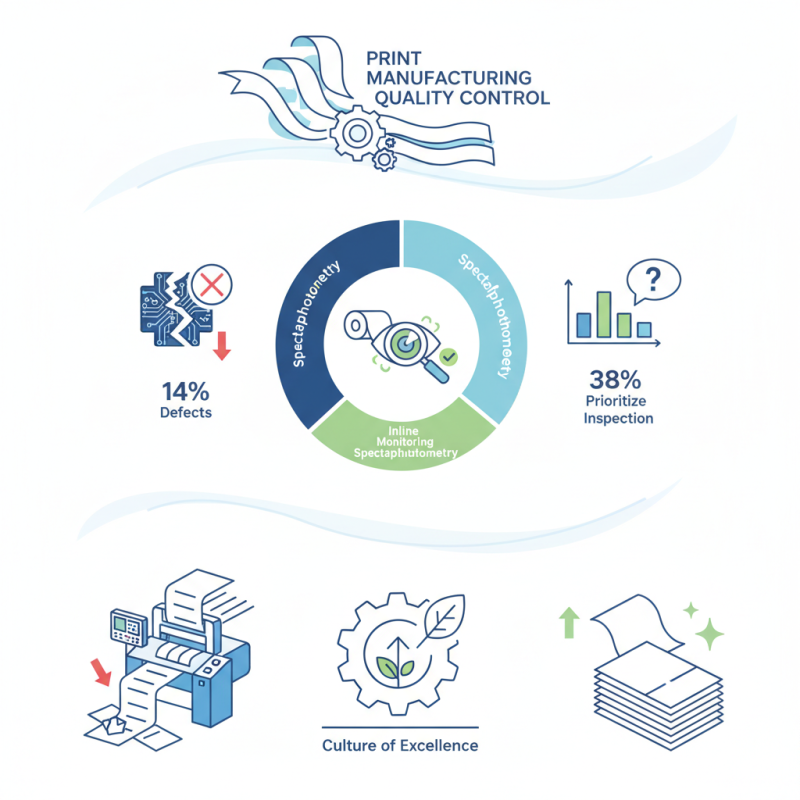
In the world of print manufacturing, quality control is vital. Print Inspection is a critical component. According to a 2022 report by Smithers, up to 14% of printed materials may face defects. These flaws can lead to significant losses in revenue and reputation.
Implementing effective print inspection strategies can reduce these risks. Techniques such as inline monitoring and spectrophotometry help identify issues early. Yet, many companies overlook these essential practices. A survey by the Printing Industries of America revealed that only 38% of printers prioritize inspection. This gap highlights a need for greater awareness and action.
The digital age presents unique challenges. Imperfections can spread rapidly in high-volume print runs. Focusing on print inspection ensures that brands maintain their quality standards. Awareness of flaws allows for improvements, fostering a culture of excellence. Quality control requires continuous reflection and action. Addressing this aspect can turn a business setback into an opportunity for growth.
Essential Print Inspection Tips for Quality Control
When it comes to print inspection, attention to detail is critical. The aim is to ensure high-quality output across all materials. One crucial tip is to develop a consistent inspection routine. Identify key elements to check, such as color accuracy and text clarity. Regularly assess these to maintain a standard.
Another important factor is using proper lighting. Good lighting can reveal imperfections easily. Inspectors should be aware of shadows or reflections that could mislead their judgment. Even small inconsistencies can compromise quality, so this detail matters greatly.
Don't overlook the importance of technology in print inspection. Utilizing software for image analysis can enhance accuracy. However, relying solely on technology can lead to mistakes. It is essential to combine automated inspections with human oversight for the best results. Always reflect on the process and seek areas for improvement. Keeping track of recurring issues can help establish a more effective inspection method in the long run.
Understanding the Importance of Print Inspection in Quality Assurance
Print inspection is a vital part of quality assurance. It ensures that every printed piece meets the required standards. Attention to detail is crucial. Small errors can lead to significant issues. For instance, color mismatches, misalignments, and blurred texts can all occur. These mistakes can affect the overall impression of a product.
Understanding the importance of print inspection helps prevent these problems. Regular checks during the printing process catch flaws early. Using tools like spectrophotometers assists in measuring color accuracy. However, not every print run is perfect. Even with rigorous protocols, occasional oversights happen. Observers may miss a critical detail.
Trained inspectors play a key role in the process. They bring experience and knowledge to assess quality. Yet, relying solely on human judgment can lead to inconsistencies. Continuous training is needed to enhance skills. Reflection on past mistakes can lead to improved practices. Print inspection is more than a final check; it is an ongoing commitment to quality.
Key Print Defects to Watch for in Quality Control Processes
In the realm of print quality control, identifying key print defects is critical. Common issues include misalignment, smudging, and color inconsistencies. Misalignment can result in text being off-center, affecting readability. Even a slight shift can ruin the overall appearance. Smudges can arise from ink that doesn’t dry properly, leading to an unattractive final product. Quality inspectors must be vigilant about these defects.
Color inconsistencies are another significant concern. Variations in color can create confusion for the consumer. It is vital to test color accuracy regularly. If the shades are off, it can compromise the brand’s image. Another defect to watch for is inadequate coverage. This can leave parts of the print uninked or too light, making the details hard to discern.
Inspectors must continuously evaluate their processes. A missed detail can lead to customer dissatisfaction. Regular training on defect identification should not be overlooked. Encouraging a culture of attention to detail can enhance overall quality control. Embracing imperfection and learning from it is part of the journey to achieving excellence in print quality.
Essential Print Inspection Tips for Quality Control
| Print Defect | Description | Potential Causes | Recommended Actions |
| Color Variations | Inconsistent color across prints | Incorrect ink mixing, printer calibration issues | Regularly calibrate printers and conduct color checks |
| Smudging | Blurry or smudged areas on the print | Ink wetness, inadequate drying time | Improve drying processes and handle prints carefully |
| Missing Elements | Key graphics or text missing from the print | File errors, technical glitches | Verify files before production, perform test prints |
| Banding | Strips or bands of varying color or density | Blocked print heads, insufficient ink flow | Regular maintenance of printer heads and ink systems |
| Cracking | Visible cracks in the printed material | Improper substrate preparation, drying issues | Ensure proper substrate is used and controlled drying conditions |
Effective Print Inspection Techniques and Tools for Quality Assessment
Effective print inspection techniques play a crucial role in maintaining quality control. It's essential to use a variety of tools for accurate assessments. Visual inspections can identify obvious defects such as misalignments or color inconsistencies. However, relying solely on visual checks may not catch all issues.
Incorporating advanced technology like inline cameras can enhance inspection. They capture images of printed materials in real-time. This allows for immediate feedback and corrections. Yet, these systems can sometimes misinterpret print variations. Regular calibration is necessary to ensure reliability.
Manual inspections shouldn't be overlooked. They bring human judgment into play. Inspectors might detect subtleties that machines miss. However, human error can occur too, especially under fatigue. It's vital to foster a culture of continuous improvement. Regular training ensures that operators stay sharp and aware of the latest inspection techniques. Balancing technology and human insight can lead to a more robust quality control process.
Industry Standards and Best Practices for Print Quality Control
In the world of print production, maintaining quality control is crucial. Industry standards suggest that 98% of customers expect defect-free products. Companies often fall short, leading to reprints that cost time and money. Effective print inspection is vital to meet these expectations.
Implementing consistent quality checks during production can significantly reduce errors. One tip involves using visual inspection techniques. This method allows operators to spot misalignments or color discrepancies quickly. Regular training sessions for staff can ensure everyone knows the best practices to follow.
Regular audits are also essential. They can reveal weaknesses in the print process. A report from the Print Quality Institute states that 25% of print jobs fail quality checks initially. This is alarming and indicates that improvements are needed. Gathering feedback can pinpoint areas needing attention. Consider setting up a straightforward feedback loop with your quality control team.
Investing in automated inspection technology can enhance overall accuracy. These systems can detect issues that the human eye may miss. However, over-reliance on technology can be problematic. It’s essential to balance automation with skilled human oversight for the best results.
Conclusion
Print inspection plays a critical role in quality assurance, ensuring that print materials meet industry standards and customer expectations. By understanding the importance of print inspection, quality control teams can identify key defects such as color discrepancies, misalignment, and inconsistent ink coverage. Effective techniques and tools for print inspection, combined with adherence to best practices, can significantly enhance the quality control processes.
Moreover, the integration of data analytics in print inspection helps organizations analyze trends and identify recurring issues, leading to improved quality outcomes. By utilizing these insights, companies can refine their quality assessment strategies, thus ensuring high standards in print production and ultimately satisfying customer demands.