What is Stainless Steel Welded Pipe and Why is it Important?
Stainless Steel Welded Pipe plays a crucial role in various industries, from construction to food processing. This type of pipe is created by welding together stainless steel sheets, forming a strong and durable structure. The process enhances its resistance to corrosion and high temperatures.
Stainless Steel Welded Pipe is significant due to its versatility. It is commonly used in plumbing, HVAC systems, and automotive applications. The importance of this pipe lies not only in its physical properties but also in its long lifespan. However, the welding process can lead to imperfections. Even slight inconsistencies in welds can impact overall quality. Understanding these potential flaws is vital for ensuring reliability.
Choosing the right Stainless Steel Welded Pipe involves careful consideration of materials and manufacturing processes. Manufacturers apply different techniques, which can affect strength and durability. It’s essential to collaborate with experienced suppliers to minimize risks. The right pipe can make a significant difference in project outcomes and safety standards.
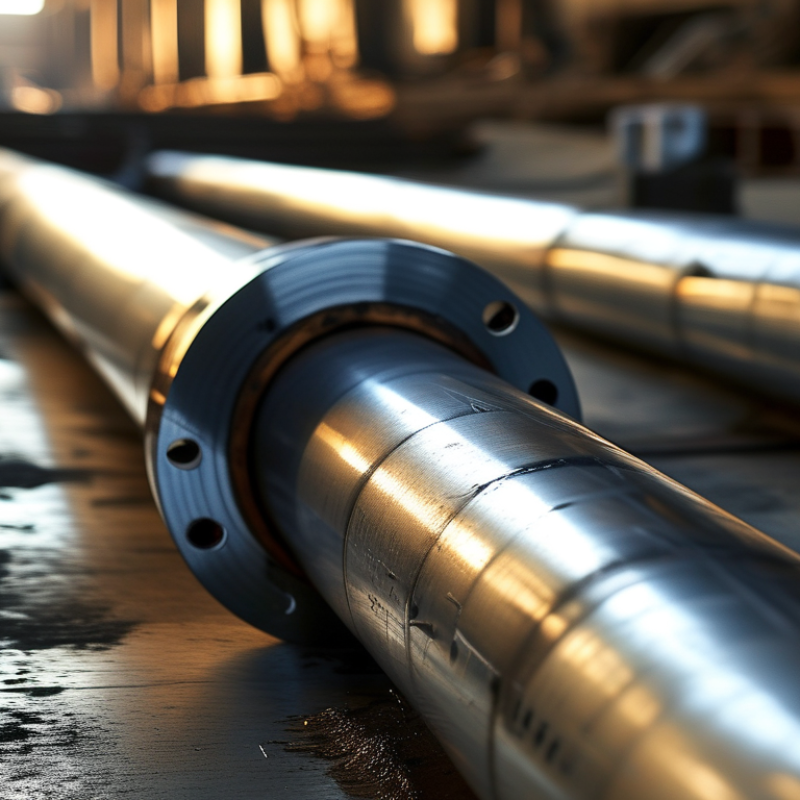
Definition and Composition of Stainless Steel Welded Pipe
Stainless steel welded pipes are essential in various industries, including construction and manufacturing. Composed mainly of iron, carbon, and chromium, these pipes boast enhanced resistance to corrosion and oxidation. According to a recent industry report, the global stainless steel pipe market is projected to reach approximately $26 billion by 2027, underscoring its growing significance.
The manufacturing process often involves welding steel sheets into pipe shapes. This method not only facilitates mass production but also ensures uniform strength across the structure. However, not all stainless steel welded pipes are created equal. Various grades and compositions affect their durability and resistance properties. It is crucial to select the right grade for specific applications. Sometimes, users overlook these details, leading to structural failures.
Another critical factor is the welding technique. Improper welding can result in weak joints. This can compromise the entire system's integrity, which is particularly concerning in high-pressure applications. While stainless steel welded pipes offer many advantages, users must remain vigilant regarding quality and specifications to maximize performance and safety.
What is Stainless Steel Welded Pipe and Why is it Important? - Definition and Composition of Stainless Steel Welded Pipe
| Dimension | Value |
| Material Type | Stainless Steel |
| Common Grades | 304, 316, 321 |
| Diameter Range | 1/2" to 48" |
| Wall Thickness | 0.5 mm to 10 mm |
| Welding Process | TIG, MIG |
| Applications | Construction, plumbing, food and beverage industry |
| Corrosion Resistance | High |
| Temperature Resistance | Up to 870°C (1600°F) |
Manufacturing Process of Stainless Steel Welded Pipe
The manufacturing process of stainless steel welded pipes is a complex interaction of precision and innovation. It typically begins with coil or plate material, which is slit to appropriate widths. The edges are then prepared for welding. According to industry reports, nearly 70% of stainless steel piping products are made from flat-rolled stainless steel. This high percentage highlights the importance of rolled products in pipe production.
Welding is done using techniques such as TIG, MIG, or laser welding, depending on the desired strength and application. The process needs to maintain a consistent heat to create a robust bond. Failure to control this can result in weak points, leading to potential failures in high-pressure systems. Industry data suggests that improperly welded joints account for nearly 30% of piping failure incidents. This underscores the need for strict quality control throughout the manufacturing process.
After welding, pipes undergo various tests, including hydrostatic and X-ray inspection, to ensure integrity. This step is critical, as it detects flaws often invisible to the naked eye. However, findings often reveal that many manufacturers overlook proper testing. Regular audits show that over 15% of pipes, on average, fail quality control standards, prompting the need for improved practices and adherence to specifications.
Applications of Stainless Steel Welded Pipe in Various Industries
Stainless steel welded pipes are crucial in many industries due to their strength and durability. These pipes are often used in construction, transport, and energy sectors. The ability to resist corrosion makes them ideal for pipelines transporting liquids. In the food industry, stainless steel pipes help maintain hygiene standards.
In construction, stainless steel welded pipes provide structural support. They are used in building frameworks and railings, ensuring safety and reliability. In the automotive sector, these pipes are essential for exhaust systems. They can withstand extreme conditions and help reduce emissions.
Despite their advantages, welded pipes can pose challenges. Quality control can be inconsistent if not monitored carefully. A poorly welded pipe may lead to leaks or failures. Regular inspections and adherence to standards are necessary. Industries must invest in proper training and resources to avoid these pitfalls.
Benefits of Using Stainless Steel Welded Pipe Over Other Materials
Stainless steel welded pipes are essential in many industries due to their unique properties. First, they resist corrosion, ensuring longevity. This makes them ideal for projects in harsh environments. When compared to other materials like carbon steel and plastic, their durability stands out. They withstand high temperatures and pressures. This reliability is crucial in sectors such as construction, chemical processing, and food production.
Moreover, stainless steel welded pipes are easy to clean. This enhances hygiene in industries dealing with food or pharmaceuticals. Their smooth surface minimizes bacteria buildup. However, they can be more expensive than alternatives. This cost might deter some users, but the long-term savings are significant. Maintenance is minimal, reducing overall operational costs.
There are challenges too. For instance, welding requires skilled labor. If not done correctly, it can weaken the joints. However, modern techniques have improved these processes. Training and experience are key here. While stainless steel might not suit every application, its benefits often outweigh the drawbacks, making it a popular choice across many sectors.
Factors to Consider When Selecting Stainless Steel Welded Pipe
When selecting stainless steel welded pipes, several key factors must be evaluated. Understanding the material grade is crucial. Common grades like 304 and 316 offer different levels of corrosion resistance. According to a 2021 market analysis, the 304 grade accounts for around 50% of the stainless steel market. This information highlights its widespread use in industries such as food processing and pharmaceutical sectors.
Another significant aspect is the pipe's dimensions. Diameter and wall thickness affect flow rates and pressure resistance. For example, choosing a thicker wall for high-pressure applications ensures better durability. A study published by the American Society of Mechanical Engineers suggests that a 0.5-inch pipe can handle pressures up to 600 psi, depending on the application.
Finally, consider the welded joint's quality. Poor welding can lead to leaks or premature failures. Industry reports indicate that up to 30% of failures in piping systems are related to flawed welds. Hence, inspection standards like those from the American Welding Society should guide material selection. It’s essential to find a reliable supplier who maintains these standards.
Comparison of Stainless Steel Welded Pipe Sizes and Their Applications
This chart illustrates the various sizes of stainless steel welded pipes and their common applications in construction, industrial, and plumbing systems. The importance of selecting the right pipe size based on the application is vital for ensuring durability and efficiency.