What is a Surge Protective Device and How Does It Work?
Surge Protective Devices (SPDs) play a crucial role in safeguarding electrical systems from voltage spikes. These devices are designed to divert excess voltage to the ground, protecting sensitive equipment from damage. According to a report by the Electric Power Research Institute, power surges can cause significant losses, estimating that businesses face an annual cost of $26 billion due to equipment damage.
Industry expert Dr. Michael S. Johnson emphasizes the importance of SPDs. He states, “The right surge protective device can be the difference between operational continuity and costly downtime.” This underscores the need for effective surge protection in both residential and commercial settings.
Despite their importance, many individuals overlook SPDs. Lack of awareness about surge risks often leads to inadequate protection. Moreover, not all devices are created equal. Choosing a high-quality SPD requires careful consideration of specifications and environment. Understanding the need for surge protection is a critical step toward enhancing electrical safety in today's tech-driven world.
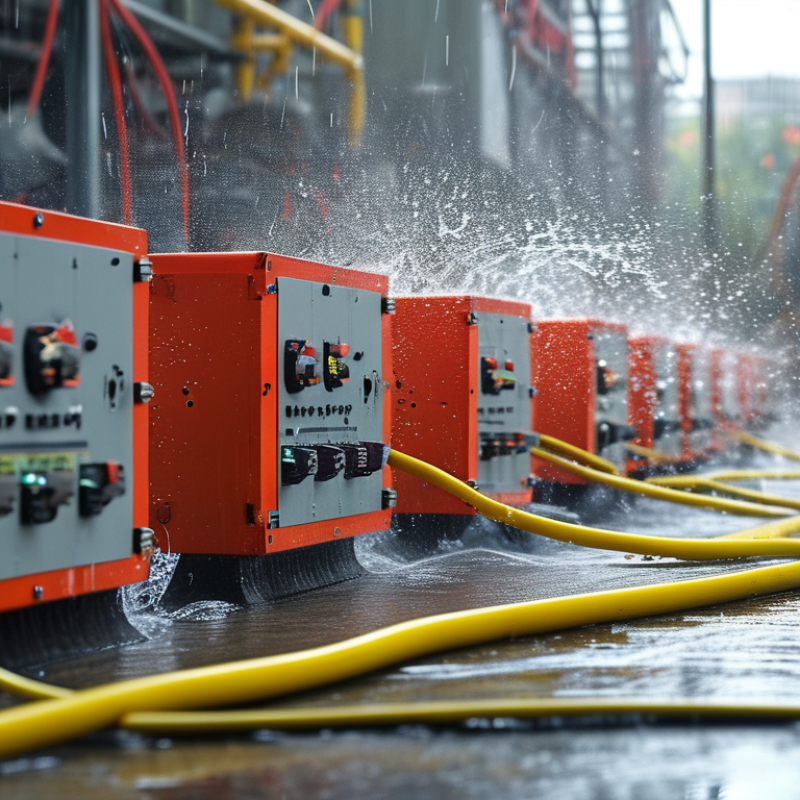
Understanding Surge Protective Devices: Definition and Purpose
Surge Protective Devices (SPDs) play a crucial role in protecting electrical systems. They are designed to guard against voltage spikes caused by lightning strikes, power surges, or equipment failures. Understanding their purpose can help ensure the longevity of your electrical devices.
SPDs redirect excess voltage away from sensitive equipment. This prevents potential damage that can arise from a sudden surge. For example, if a lightning strike hits nearby, an SPD can absorb the extra energy. It works by diverting the unwanted surge to the ground, reducing the risk to your devices and systems.
However, not all surge protectors are created equal. Choosing the right device requires careful consideration of your specific needs. Some may be suitable for household use, while others cater to industrial settings. Regular checks and maintenance of SPDs are essential to ensure they function correctly. Remember, while these devices offer protection, they are not foolproof. Understanding your electrical system's vulnerabilities can lead to better choices and improved safety measures.
Types of Surge Protective Devices: A Comprehensive Overview
Surge Protective Devices (SPDs) are essential in safeguarding electrical systems. There are several types of SPDs that serve unique functions and applications. Understanding these types can help prevent costly damages caused by voltage spikes. The three main categories include Type 1, Type 2, and Type 3 SPDs.
Type 1 SPDs are typically installed at the service entrance of a building. They provide primary protection for the entire electrical system. According to a report by the Electric Power Research Institute, over 80% of surge-related damages can be mitigated with these devices. Type 2 SPDs, often used for branch circuits, protect individual circuits. Type 3 SPDs are point-of-use devices, usually found in proximity to sensitive equipment.
When selecting an SPD, consider the environment and the specific equipment you wish to protect. Take note that installation should comply with electrical codes and standards. Always consult with a qualified electrician to ensure proper installation. Remember, not all SPDs provide the same level of protection. Perform regular maintenance checks to ensure your devices are functioning optimally and replace them as necessary to maintain effectiveness.
How Surge Protective Devices Work: The Mechanism Explained
Surge Protective Devices (SPDs) are essential for safeguarding electrical systems from voltage spikes. These spikes can occur due to lightning strikes, power outages, or equipment malfunctions. SPDs work by diverting excess voltage away from sensitive electronics. They essentially act as a safety valve, preventing damage to devices.
When a surge occurs, the SPD detects the increase in voltage. It quickly conducts the excess current to the ground. This process helps protect equipment like computers and televisions. A surge can be brief but very damaging. SPDs must be correctly installed to ensure effectiveness. Proper grounding and installation can greatly enhance their performance.
However, not all SPDs offer the same level of protection. Some may fail to respond effectively during extreme surges. Regular maintenance checks are essential to ensure functionality. Users need to be aware of their SPD's condition. Over time, wear and tear can compromise their performance. Understanding the limitations of these devices is crucial for optimal protection.
What is a Surge Protective Device and How Does It Work?
| Feature | Description | Importance |
| Definition | A device designed to protect electrical equipment from voltage spikes. | Prevents damage to sensitive electronic components. |
| Common Types | Whole house, point-of-use, and power strip surge protectors. | Provides options for different protection needs. |
| How It Works | Redirects excess voltage to the ground. | Safeguards devices during surges caused by lightning or grid issues. |
| Clamping Voltage | The voltage level at which the device activates to protect connected equipment. | Lower clamping voltages can provide better protection. |
| Response Time | The time it takes for the device to react to a surge. | Faster response times ensure better protection. |
| Lifespan | Depends on the number and severity of surges experienced. | Regular replacement may be necessary for continued protection. |
Key Specifications and Standards for Surge Protective Devices
Surge Protective Devices (SPDs) are essential for safeguarding electrical systems from voltage spikes. Understanding key specifications helps ensure effective protection. An SPD must meet specific standards outlined by organizations like the IEEE and UL. These standards dictate performance criteria and reliability.
When selecting an SPD, consider its voltage rating and response time. A device designed for your system’s voltage can prevent equipment damage. Look for an SPD that offers a quick response to surges. This is crucial during transient events caused by lightning or power fluctuations.
Tips: Regularly inspect your SPDs for wear and performance. Many users overlook this step, assuming the device will function indefinitely.
Another critical aspect is the location of the SPD installation. Incorrect placement can lead to inadequate protection. Ensure that SPDs are installed where they are most needed, like the electrical panel or near sensitive equipment.
Tips: Consult a professional to evaluate your SPD placement. This could greatly enhance the safety of your electrical system.
Importance of Surge Protection: Industry Statistics and Insights
Surge protection is critical in today's digital world. According to the National Fire Protection Association, approximately 30,000 fires are caused by electrical surges each year. This statistic underscores the need for effective surge protective devices (SPDs). SPDs help prevent equipment damage during voltage spikes, which can occur due to lightning or power grid fluctuations.
Industry research highlights that businesses face an average of $1,000 per incident in damage due to power surges. This cost can include equipment replacement, downtime, and data loss. The Institute of Electrical and Electronics Engineers estimates that power surges can lead to 20% of all electronic equipment failures. Many organizations underestimate the impact of these voltage spikes, which can compromise their operations.
Interestingly, not all businesses invest in surge protection. A study reported that only 40% of companies have implemented SPD solutions. This gap in awareness raises questions about risk management strategies. Organizations should reassess their protection measures as reliance on technology increases.
Investing in surge protection not only safeguards equipment but also enhances operational continuity and reliability.