Ultimate Tips for Choosing Solar Panel Roof Mount Options?
Choosing the right solar panel roof mount is crucial for maximizing energy efficiency. Many homeowners overlook this important aspect. An appropriate solar panel roof mount can ensure durability and optimal positioning. However, not all options are created equal. Different roof types and climates affect your choice.
Experience plays a significant role in selecting the best option. Professionals often recommend researching various mounting systems. Understanding your roof structure is vital. Some mounts provide better aerodynamic benefits, while others offer simpler installation. You should consider the long-term maintenance costs as well.
It’s also essential to think about the aesthetics. A solar panel roof mount should blend with your home’s design. Many options may not fit all architectural styles. Reflecting on these factors can lead to a more satisfying decision. Remember that the right choice enhances both energy production and property value.
Understanding Different Types of Solar Panel Roof Mounts
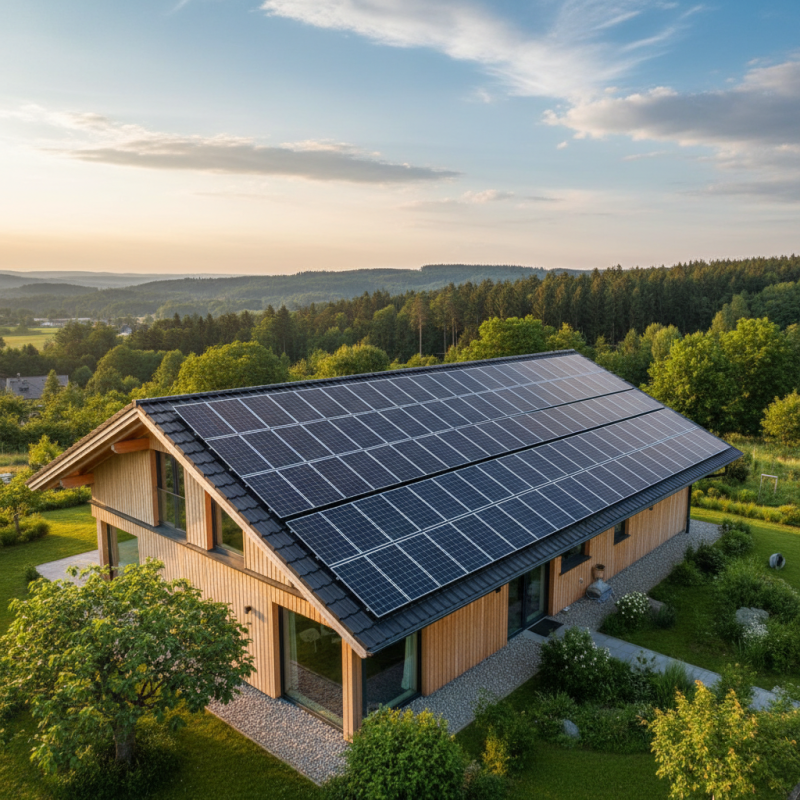
When selecting solar panel roof mounts, it’s crucial to understand the various types available. There are three primary options: flush mounts, tilted mounts, and pole mounts. Flush mounts are often popular because they lie flat against the roof. This style minimizes wind resistance but may not capture optimal sunlight in winter months.
Tilted mounts allow for a steeper angle, which can increase solar exposure. However, they may require more structural support, leading to possible installation challenges.
Pole mounts can be positioned on the ground, which offers flexibility but may not suit every property. Each type has its pros and cons, leading to potential drawbacks in specific situations.
It’s important to reflect on your
roof type and
geographical location when choosing a mount. Engaging with a reputable installer can provide insights into the best fit for your needs. Always consider factors like
local weather and
roof materials. Doing thorough research will enhance your decision-making process and improve solar energy efficiency.
Evaluating Roof Compatibility for Solar Panel Installation
When considering solar panel installation, evaluating roof compatibility is crucial. Roofs come in various shapes, materials, and angles, each affecting solar efficiency. According to the U.S. Department of Energy, tilt and direction can influence solar energy production by up to 40%. A roof with optimal south-facing exposure captures more sunlight.
Material also plays a significant role. Asphalt shingles, metal roofs, and flat roofs have different installation requirements and longevity. A report by the Solar Energy Industries Association states that over 80% of rooftops in the U.S. are suitable for solar panels. However, a thorough inspection is essential. Damaged roofs or old materials may not support panel weight, leading to costly repairs later.
Think about the shading from nearby trees or structures too. Even partial shading can reduce energy generation by 30%, according to industry studies. Homeowners often overlook this aspect before installation. It's vital to assess all angles and consider future changes in the surrounding environment that could create unexpected shade. Taking these factors into account ensures a more successful solar panel installation.
Assessing Material Quality and Durability in Mounts
When selecting solar panel roof mounts, material quality is paramount. High-quality mounts typically use aluminum or stainless steel for durability. According to the National Renewable Energy Laboratory, mounts made from these materials can last for up to 25 years. This longevity can significantly impact the cost-effectiveness of your solar system. However, it’s crucial to ensure that the mounts are coated to resist corrosion, especially in coastal areas.
Durability also ties closely to the design of the mounts. Some have a single-point attachment, while others offer multiple contact points. The latter tends to distribute weight better and resist wind uplift more effectively. In fact, a study by the Solar Energy Industries Association (SEIA) highlights that systems with robust mount designs show a 15% lower failure rate over time. Proper installation is just as important. Even the best materials can fail if not correctly positioned.
Assessing mounts' performance under various environmental conditions is vital. Extreme temperatures and heavy snowfall can all test a mount's strength. Some users report that over time, cheaper mounts have had issues with rust or bending, calling their longevity into question. It’s essential to consider these factors seriously when making your decision. A solid mount may add upfront costs but will likely save money and hassle in the long run.
Cost Considerations for Solar Panel Roof Mount Options
When considering solar panel roof mount options, cost plays a crucial role. It's not just about the initial purchase price. Installation costs can vary significantly. Labor costs can escalate, especially if your roof requires modifications. Industry experts suggest budgeting an additional 20% for unexpected expenses.
Choosing the right mounting system affects both installation and long-term performance. Fixed mounts tend to be cheaper but offer limited angle adjustment. If your roof has less than optimal sunlight exposure, you may want to invest in adjustable mounts. This choice could lead to increased savings on energy bills over time. Yet, higher costs may not always guarantee better performance.
It’s also essential to explore financing options. Many homeowners find solar loans or leases attractive. However, these can lead to long-term financial commitments. Regular assessments of energy savings versus expenses are vital for ensuring a good return on investment. Always keep in mind that the lowest upfront costs may not yield the best overall value.
Installation Process and Maintenance Tips for Roof Mounts
When considering the installation of solar panel roof mounts, understanding the installation process is crucial. Begin by assessing your roof type and angle. These factors significantly influence solar efficiency. Flat roofs require different mounts compared to sloped ones. A precise evaluation ensures proper sunlight capture throughout the year. During installation, use quality waterproofing materials to prevent leaks.
Proper maintenance extends the lifespan of your solar panel setup. Regularly clean the panels to remove dirt and debris. This simple task can enhance energy production. A dirty panel may produce significantly less energy. Additionally, inspect the mounts for any signs of wear. Unnoticed damage could lead to costly repairs. Scheduling a professional inspection annually is wise.
Choose the right tools for installation. Having the proper equipment can make the process smoother. Always follow safety guidelines when working on your roof. Many overlook this step, risking injury. Remember, attention to detail now prevents future headaches. Keep your solar energy journey efficient with proactive care and careful choices.
Ultimate Tips for Choosing Solar Panel Roof Mount Options
| Mount Type | Material | Weight Capacity | Installation Difficulty | Maintenance Frequency |
| Flush Mount | Aluminum | Up to 200 lbs | Easy | Annually |
| Tilt Mount | Stainless Steel | Up to 400 lbs | Moderate | Semi-Annually |
| Ground Mount | Aluminum/Steel | Up to 600 lbs | Challenging | Quarterly |
| Pole Mount | Galvanized Steel | Up to 500 lbs | Moderate | Annually |