2025's Top 10 Spill Trays: Essential Choices for Every Workspace
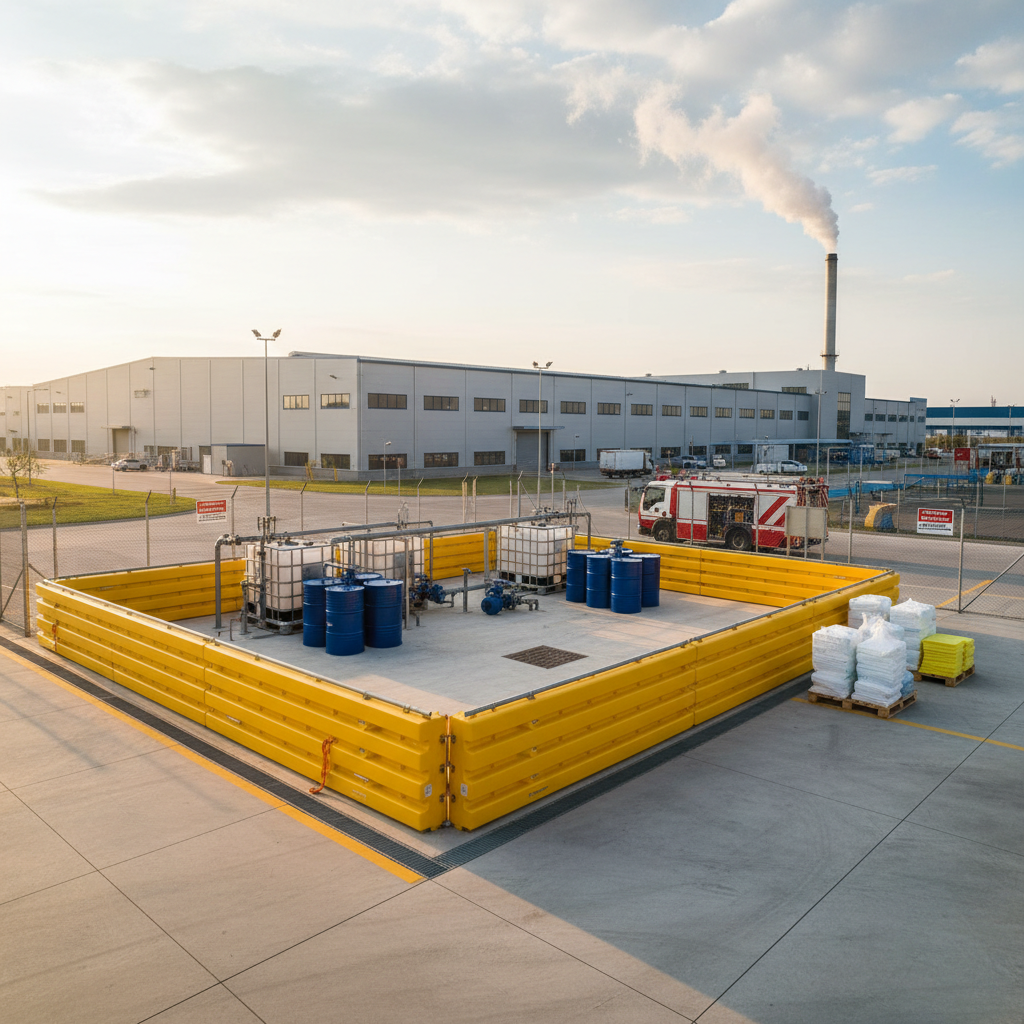
In today’s fast-paced work environments, maintaining safety and cleanliness is paramount. One of the essential tools that can significantly reduce the risk of spills and related accidents is the spill tray. Designed to catch and contain leaks from machinery, containers, and other potential sources of fluid mishaps, spill trays are increasingly becoming a staple in various industries. As we look ahead to 2025, it’s vital for businesses to choose spill trays that not only meet regulatory standards but also enhance overall workplace efficiency.
This article explores the top 10 spill trays that stand out for their reliability, durability, and design. These products are meticulously selected to cater to diverse workspace needs, from large industrial settings to small laboratories. In selecting the right spill tray, it’s important to consider factors such as material, size, and specific use cases, ensuring that each choice is well-suited to the unique requirements of different work environments. Join us as we delve into our top picks that promise to safeguard your workspace from spills while also promoting a culture of safety and responsibility.
Top 10 Spill Trays for 2025: Ensuring Safety and Efficiency in Workspaces
In the fast-paced environment of modern workspaces, ensuring safety and efficiency is paramount. One essential item that can significantly enhance these aspects is a spill tray. Designed to catch leaks and spills, these trays not only protect the floor but also help maintain a clean and organized workspace. With various options available, it's crucial to choose the right spill tray that meets your specific needs.
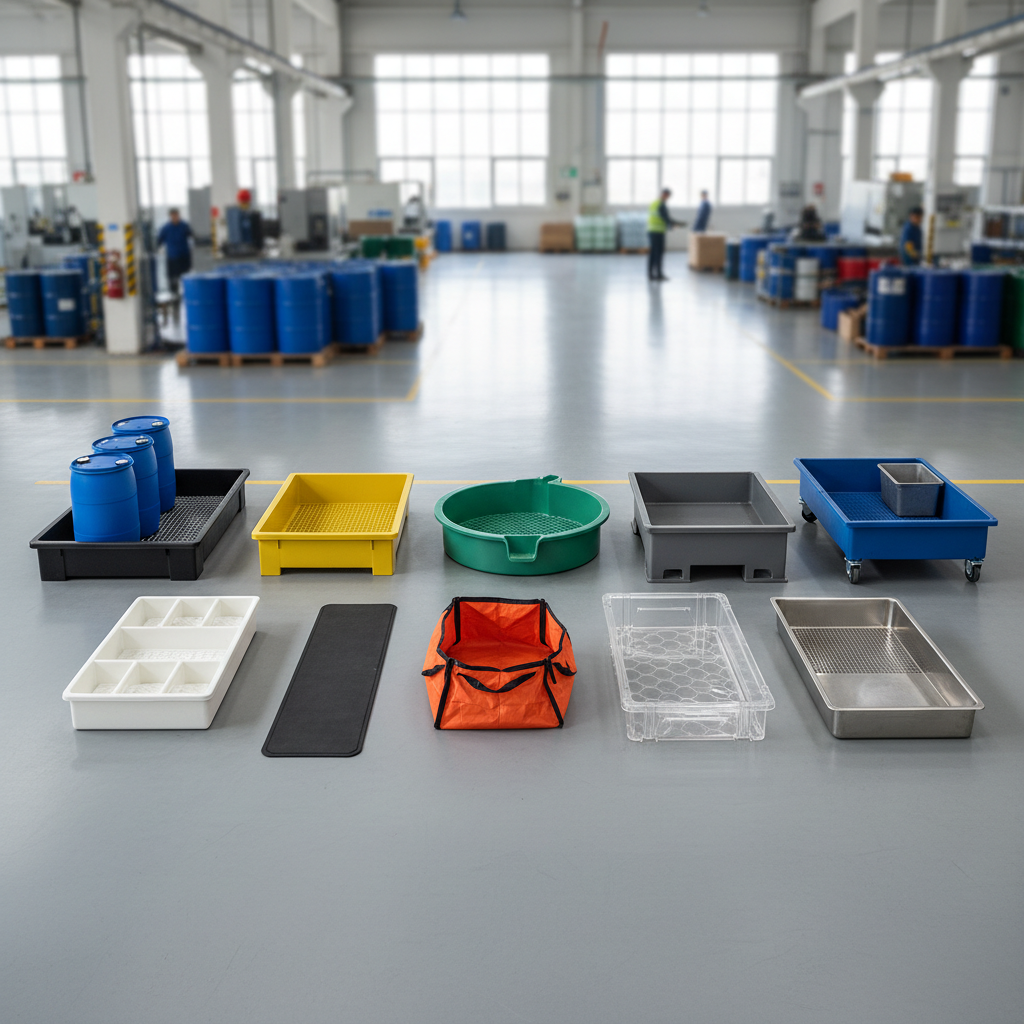
When selecting a spill tray, consider the materials it’s made from. Some trays are designed from heavy-duty plastics, while others use galvanized steel that can withstand harsh chemicals. Additionally, ensure that the tray has adequate drainage or containment features, especially if you're working with liquids that require fast cleanup. Another tip is to check the size and shape to match your workspace layout, ensuring it fits conveniently under storage areas or machinery.
Regular maintenance of spill trays is also essential to keep your work environment safe. Make it a habit to inspect trays for damages or wear and tear, eliminating any potential hazards. Investing in high-quality spill trays not only saves time on clean-ups but also reinforces your commitment to workplace safety and efficiency.
The Importance of Spill Trays: Reducing Environmental Impact and Costs
Spill trays play a crucial role in minimizing environmental impact and reducing costs across various industries. According to the Environmental Protection Agency (EPA), improper handling of hazardous substances can lead to significant environmental contamination and fines, which can amount to thousands of dollars. By utilizing spill trays, businesses can effectively contain spills, preventing hazardous materials from entering the ecosystem. A recent report by the National Institute of Standards and Technology (NIST) highlights that implementing spill management solutions can lead to a 25% reduction in accidents and associated cleanup costs, which is vital for maintaining a sustainable workplace.
The economic benefits of spill trays extend beyond compliance and safety. A study by the American Society of Safety Professionals (ASSP) indicates that companies investing in spill containment solutions see on average a 30% decrease in liability claims related to spills and accidents. Furthermore, with increasing regulatory pressure on environmental practices, adopting spill trays can enhance a company’s reputation and credibility in socially responsible practices. For organizations aiming to bolster their environmental stewardship, integrating quality spill trays into their operations is not just an operational necessity, but a strategic choice that can significantly decrease both environmental and financial risks.
2025's Top 10 Spill Trays: Essential Choices for Every Workspace
| Rank |
Material |
Capacity (Liters) |
Dimensions (cm) |
Weight (kg) |
Eco-Friendly |
Cost (USD) |
| 1 |
Polyethylene |
50 |
100 x 50 x 10 |
3.5 |
Yes |
45 |
| 2 |
Metal |
80 |
120 x 60 x 15 |
5.5 |
No |
85 |
| 3 |
Fiberglass |
100 |
150 x 75 x 20 |
7.0 |
Yes |
110 |
| 4 |
PVC |
60 |
90 x 45 x 12 |
4.0 |
Yes |
50 |
| 5 |
Steel |
75 |
110 x 55 x 14 |
6.0 |
No |
95 |
| 6 |
Aluminum |
90 |
130 x 65 x 18 |
6.5 |
Yes |
100 |
| 7 |
Composite |
40 |
75 x 40 x 10 |
3.0 |
Yes |
40 |
| 8 |
Plastic |
55 |
100 x 50 x 15 |
4.3 |
Yes |
55 |
| 9 |
Nylon |
65 |
130 x 65 x 15 |
5.1 |
Yes |
75 |
| 10 |
Resin |
30 |
60 x 30 x 8 |
2.0 |
Yes |
30 |
Innovative Features in Modern Spill Trays: Enhancing Workplace Safety
In the contemporary workspace, safety is paramount, particularly when it comes to handling potentially hazardous materials. Modern spill trays are evolving to incorporate innovative features that enhance workplace safety effectively. According to a report by the American National Standards Institute (ANSI), industrial spills account for approximately 40% of workplace accidents, leading to not just health hazards but also significant financial losses. Implementing advanced spill trays can mitigate these risks significantly.
Today's spill trays are designed with materials that offer superior chemical resistance and durability, enabling them to handle various substances safely. Some innovative models feature built-in sensors that alert users to spills in real-time, thus allowing for rapid response and reducing the likelihood of accidents. Additionally, many trays now come with ergonomic designs that simplify the cleanup process, promoting better workplace hygiene.
This emphasis on functionality and safety is reflected in a survey by the National Safety Council, which found that workplaces using advanced spill containment solutions experienced a 30% drop in incident reports compared to those using traditional methods.
Industry Standards for Spill Containment: What Every Business Should Know
In today's industrial landscape, ensuring compliance with regulations on spill containment is crucial for any business handling hazardous substances. The Environmental Protection Agency (EPA) emphasizes that proper spill containment is not only a matter of safety but also a legal requirement. According to a 2022 report by the National Institute for Occupational Safety and Health (NIOSH), improper spill management can lead to significant fines, with penalties often exceeding $50,000 for non-compliance with spill prevention regulations.
Spill trays are essential tools in achieving industry standards for spill containment. They are designed to catch leaks or spills from containers, preventing hazardous materials from contaminating the workspace. The American Society for Testing and Materials (ASTM) provides guidelines for the design and use of spill trays, stating that they should have the capacity to hold at least 10% of the total volume of liquid stored. Furthermore, a study by the Spill Control Association estimates that businesses employing effective spill containment solutions can reduce their risk of environmental incidents by up to 70%. By investing in top-quality spill trays, companies not only enhance workplace safety but also protect themselves from potential legal repercussions.
Comparative Analysis of Spill Tray Materials: Durability and Performance Metrics
When it comes to choosing the ideal spill tray for your workspace, understanding the materials used is crucial for ensuring durability and performance. Spill trays are commonly constructed from various materials, each offering unique advantages. For instance, polyethylene is known for its high resistance to chemicals and ease of cleaning. This makes it an excellent choice for environments where spills are likely to include corrosive substances. Additionally, aluminum options provide a lightweight yet sturdy alternative, particularly suited for high-traffic areas where mobility is essential.
On the other hand, heavy-duty steel spill trays excel in terms of longevity and weight capacity, making them perfect for industrial settings. They can withstand significant impacts and are often coated for rust resistance, enhancing their lifespan. When evaluating performance metrics, it is vital to consider both the tray's load-bearing capabilities and its ability to contain liquids over extended periods. By weighing these factors, one can choose a spill tray that meets the demands of their specific workspace, minimizing the risk of spills and ensuring a safer working environment.
Comparison of Spill Tray Materials: Durability and Performance Metrics