
585.204.6770
sale@sanblueplastics.com
Your Source for Trays!
Top Bow Type Laying Up Machine Suppliers in China?
Choosing a Bow Type Laying Up Machine supplier in China calls for more than comparing prices or browsing polished product photos. Buyers need to understand how each machine handles the intended cable structure, materials, and production volume. A practical review starts with details: usable reel dimensions, laying-up speed, tension control, bow design, and the space required for installation. These specifications affect daily operation. Small differences matter.
Supplier experience is worth checking through documented projects, factory capabilities, and clear technical answers. Ask how the machine is configured for your application, which components are included, and what support is available during commissioning. If possible, review a sample production run or request references from customers with comparable requirements. Pay attention to alignment, stable tension, and how operators access controls during setup. Those details can be easy to miss in a quotation. No shortlist is perfect, and a promising brochure cannot replace a careful technical discussion. Compare delivery expectations, spare-parts access, training, and warranty terms in writing. Also confirm that the proposed configuration matches your actual process, rather than relying on a generic model description. This guide introduces leading supplier options and practical questions for evaluating them. The right choice depends on your production goals, budget, and support needs—not just a machine’s headline speed. Be specific.
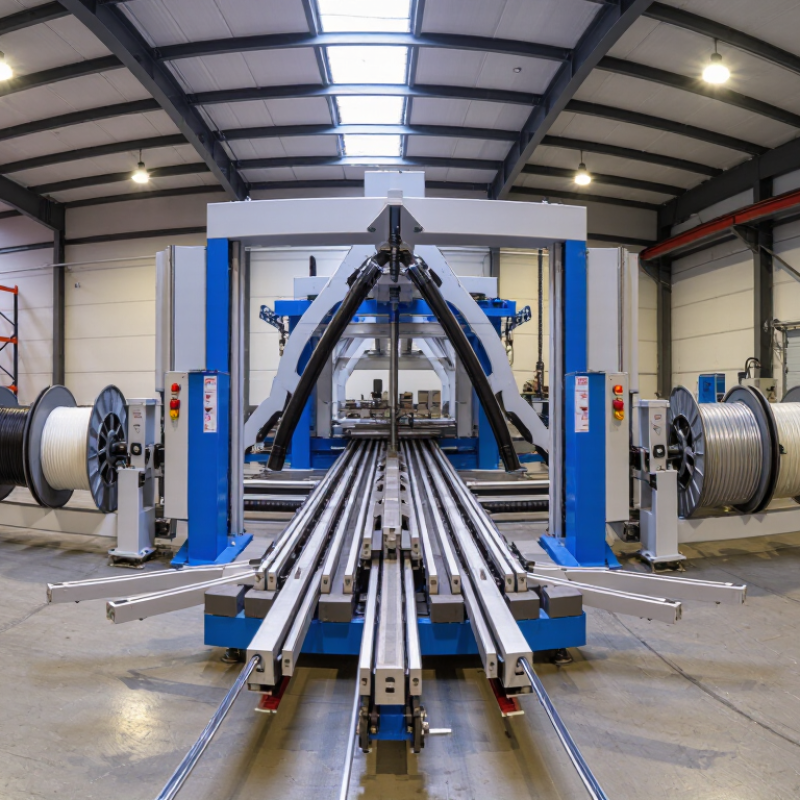
What Is a Bow Type Laying Up Machine?
What Is a Bow Type Laying Up Machine?
A bow type laying up machine is used to bring several insulated wires or cable cores together and form them into a finished cable structure. Its rotating bow carries the cores around a central core as the machine pulls the assembly forward. This creates a controlled helical lay, rather than a straight bundle. Depending on the production line, the machine may also apply tape or other wrapping during the process.
The bow, pay-off stands, tension controls, and take-up unit all affect the result. For example, uneven tension can leave one core loose, while an unsuitable lay length may make the cable difficult to handle. Operators typically check core alignment, rotation speed, and take-up tension before running at full production speed. It is a practical machine, but setup details matter. A small adjustment can change the cable’s appearance and performance.
Tips: Match the machine’s working range to the cable’s core count, diameter, and required lay length. Ask for clear specifications and sample-run data before selecting equipment. Also check how quickly the bow and reels can be accessed for changeovers. A brochure rarely shows every setup challenge; actual trials may reveal details you did not anticipate.
Top Bow Type Laying Up Machine Suppliers in China? – What Is a Bow Type Laying Up Machine?
| Evaluation Dimension | Machine or Supplier Information | What to Verify |
|---|---|---|
| Machine function | A bow type laying-up machine gathers multiple insulated cores or other conductors and lays them together to form a cable core. | Confirm that the machine is designed for the cable structure, conductor types, and production process required. |
| Rotating bow | The rotating bow guides the cores around the machine axis. Its rotation contributes to the lay formation. | Ask for the permitted bow speed, applicable product range, and operating limits for the proposed configuration. |
| Lay length | Lay length is the axial distance over which a strand or core completes one turn around the cable axis. It depends on the relationship between rotational speed and line speed. | Request the adjustable lay-length range and confirm how it is set, controlled, and checked during production. |
| Pay-off arrangement | Pay-off units supply the individual cores or conductors to the laying-up section. Their number and layout depend on the cable design. | Check the number of pay-off positions, reel dimensions, loading method, and compatibility with the materials being processed. |
| Tension control | Consistent pay-off tension helps maintain stable core feeding and cable geometry. The control method can vary by machine design. | Ask how tension is adjusted and monitored, and whether the control is suitable for the required conductor and insulation types. |
| Take-up and traverse | The take-up collects the finished cable core; a traverse guides it across the reel during winding. | Confirm take-up reel dimensions, maximum loading capacity, winding options, and compatibility with the planned production length. |
| Drive and control system | Drive and control components coordinate machine motion and production settings. The configuration is model-dependent. | Review speed control, operator interface, safety interlocks, alarms, and availability of operating documentation. |
| Production speed | Achievable line speed depends on factors including machine design, bow speed, product construction, and operating conditions. | Compare the supplier's stated speed with the intended cable specification and request a representative production demonstration where practical. |
| Applicable cable construction | Machine suitability depends on the number and size of cores, material properties, required lay, and finished cable dimensions. | Provide a cable drawing or product specification and obtain written confirmation of compatibility before ordering. |
| Safety and guarding | A rotating bow presents moving-part hazards, so guarding and safety controls are essential machine features. | Review the proposed guarding, access points, emergency stops, and applicable safety documentation for the installation location. |
| Installation and utilities | Installation requirements vary with the machine configuration and production line layout. | Request the machine footprint, foundation requirements, electrical supply details, and any required compressed-air or other utilities. |
| Supplier comparison | Supplier capabilities should be assessed against the same technical specification rather than by an unverified ranking. | Compare technical compliance, documented references, commissioning scope, training, spare-parts support, warranty terms, and delivery schedule. |
Note: Exact capacities, speed ranges, reel sizes, and configuration options vary by machine model. Confirm all production figures and specifications with the supplier for the intended cable design.