
585.204.6770
sale@sanblueplastics.com
Your Source for Trays!
China’s pneumatic conveying sector includes manufacturers serving applications from food processing and pharmaceuticals to cement, plastics, and chemical production. A Pneumatic Conveying Blower moves air through a system of pipes, helping transport bulk materials between process stages. Its performance depends on more than nameplate capacity. Airflow, pressure, material behavior, conveying distance, and operating conditions all shape the choice.
Manufacturers may differ in blower design, materials, noise control, customization, and after-sales support. Buyers should compare technical documentation, operating ranges, service arrangements, and experience with similar applications. Ask how a proposed unit handles your material, route length, and duty cycle. Concrete details matter: pipe diameter, powder characteristics, ambient temperature, and available maintenance space can change what works. Details matter.
This overview of China’s top manufacturers is intended to help readers build a practical shortlist, not declare one universal winner. Supplier claims deserve careful review, and a polished catalogue cannot replace a clearly specified application. Not every plant has the same needs. Even a technically sound recommendation may miss a site-specific constraint. Verify specifications directly with the manufacturer and, where possible, review references for comparable installations. A thoughtful comparison can reveal which supplier offers a suitable balance of performance, reliability, and support. The final choice should fit the process—not merely the product description.
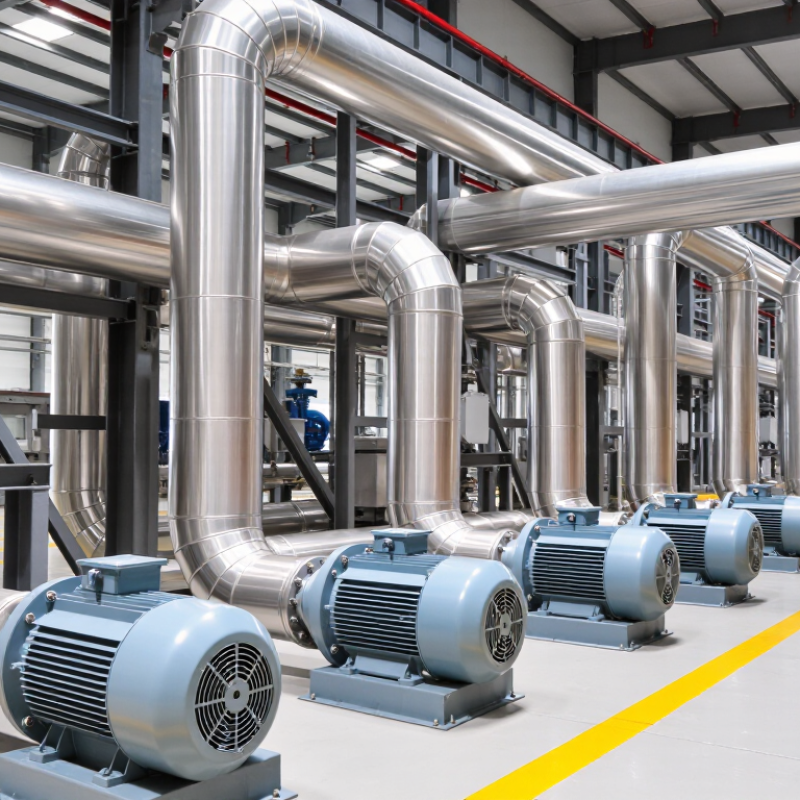
A pneumatic conveying blower moves bulk materials by creating a controlled stream of air through a pipe. The blower supplies airflow and pressure; the material feeder introduces powder or granules into that moving stream. In dilute-phase systems, particles travel suspended in air at relatively high velocity. Dense-phase systems use lower velocities and higher pressure, moving material in slower, concentrated plugs. The right arrangement depends on product fragility, distance, and required throughput.
A pressure gauge near the discharge can show whether the blower is working within its intended range. Operators also watch airflow, motor temperature, unusual vibration, and changes in sound. At the receiver, filters separate the conveyed material from air before it leaves the system. Small leaks may seem harmless, yet they can reduce conveying performance and waste energy. Blockages often reveal themselves through rising pressure or inconsistent material delivery.
Real systems are less tidy than diagrams suggest. Powder moisture, pipe bends, and feeder settings can all change how material moves. A blower should therefore be selected against the full system’s pressure and airflow requirements, not by motor size alone. I would still verify operating data under actual site conditions; calculations can miss practical details. Quiet running helps, but it proves little. Regular inspection of filters, seals, and pipe connections supports steady operation.
Pneumatic conveying blowers are selected by pressure, airflow, material, and pipeline layout—not by motor size alone. Roots-type rotary-lobe blowers are common for steady, low-to-moderate pressure service. Screw blowers provide oil-free air in many designs and can suit variable loads. Centrifugal units typically fit high-volume systems with relatively stable demand. Each type has trade-offs. A lobe blower is simple, but its pulsation and noise may need attention.
Compare operating pressure and flow at the actual duty point. As a rough screening range, many dilute-phase systems operate around 0.2–1.0 bar gauge; dense-phase systems may need higher pressure, depending on material and design. These are not universal limits. Check air temperature, motor power, sound level, turndown, and filtration requirements, too. A catalogue’s maximum flow can mislead when pipeline losses rise.
Energy matters. The U.S. Department of Energy’s Improving Compressed Air System Performance sourcebook reports that compressed-air systems account for about 10% of industrial electricity use. That figure covers more than conveying, but it underscores the cost of poor control. ISO 1217 specifies acceptance tests for displacement compressors, supporting consistent performance comparisons. Still, test conditions differ from a real plant. Verify delivered flow and pressure under operating conditions, and allow for material changes; this step is sometimes overlooked.
China’s pneumatic conveying blower sector sits within a broad industrial machinery base. The China Machinery Industry Federation reported machinery-industry operating revenue of about 31.8 trillion yuan in 2023. That figure is not blower-specific, but it signals the scale of local suppliers, component makers, and engineering services. The landscape includes manufacturers of Roots, screw, and centrifugal blowers, serving powders, granules, and process lines. Fit matters more than headline capacity.
Global demand offers useful context. Grand View Research valued the pneumatic conveying systems market at 7.05 billion U.S. dollars in 2023 and forecast 6.5% annual growth from 2024 to 2030. This is a global estimate, not a measure of Chinese blower sales. For buyers, practical checks include airflow at operating pressure, motor power, discharge temperature, and performance under continuous duty. Listen for vibration, too. A quiet test stand may not reflect a dusty plant floor.
Supplier comparisons still have a weak point: catalog figures can hide different test conditions. Request comparable curves and ask how performance changes with conveying distance and material characteristics. I would treat claimed efficiency cautiously unless the test method is clear. That extra scrutiny takes time, but it can reveal where a seemingly capable unit may need more engineering.
A non-brand overview of common blower technologies, conveying duties, and practical supplier-evaluation criteria. The entries describe general engineering characteristics, not market-share rankings or claims about individual manufacturers.
| Technology or System Segment | Typical Conveying Duty | Pressure / Operating Principle | Airflow Characteristics | Key Selection Considerations | Useful Supplier Documentation |
|---|---|---|---|---|---|
| Roots-type positive-displacement blower | Commonly used for low-pressure pneumatic conveying, including dilute-phase systems. | Moves a near-fixed volume of air per revolution; discharge pressure depends on system resistance and package design. | Air delivery is related to rotational speed; actual delivered flow changes with operating conditions and leakage. | Check required flow and pressure together, operating temperature, noise, vibration, filtration, and drive arrangement. | Performance curves, allowable operating limits, motor data, noise data, and maintenance instructions. |
| Screw blower | Used in low-pressure process-air duties where continuous operation and energy use are important considerations. | Positive-displacement compression using intermeshing rotors; available pressure capability depends on the design and package. | Provides continuous air delivery; compare performance at the specified inlet conditions and operating point. | Review cooling method, lubricant or oil-free design, part-load control, service access, and total package efficiency. | Certified performance data, control-system details, installation requirements, and service intervals. |
| Multistage centrifugal blower | Suitable for applications requiring continuous airflow; suitability for conveying depends on the system pressure and flow requirements. | Uses rotating impellers to add energy to the air; performance is influenced by speed, inlet conditions, and system resistance. | Flow and pressure vary along the machine performance curve; operation near the approved range is important. | Check the full operating curve, surge or stability limits, inlet filtration, ambient conditions, and control method. | Performance curves, operating envelope, vibration limits, and recommended control settings. |
| High-speed turbo blower | May be considered for high-volume, continuous air duties when its performance curve matches the conveying system. | Dynamic compression; pressure rise is produced by high-speed impellers and depends on the selected design. | Dynamic-machine performance responds to changes in flow and system resistance; verify the minimum and maximum operating points. | Assess turndown, motor and bearing design, cooling, filtration, controls, and site service capability. | Certified flow and pressure curves, turndown data, electrical specifications, and commissioning requirements. |
| Pressure dilute-phase conveying package | Conveys material through a pipeline using moving air; commonly applied where relatively high conveying velocity is acceptable. | Blower supplies air above atmospheric pressure; required pressure depends on the material, pipeline, throughput, and layout. | Airflow must be matched to pipeline velocity and solids throughput to avoid unstable operation or excessive wear. | Specify material properties, conveying distance, bends, elevation, throughput, and acceptable product degradation. | System design basis, equipment sizing assumptions, control sequence, and commissioning criteria. |
| Vacuum conveying package | Moves material toward a receiver under suction; often selected for pickup points or enclosed transfer arrangements. | Blower creates pressure below atmospheric pressure, usually downstream of the conveying line. | Available conveying pressure difference is limited by atmospheric pressure and the system’s operating conditions. | Evaluate receiver filtration, air leakage, dust characteristics, required pickup points, and filter-cleaning method. | Vacuum and airflow data, receiver and filter specifications, and system pressure-loss calculations. |
| Dense-phase conveying package | Designed to move bulk solids at comparatively low conveying velocity using controlled material movement. | Typically relies on a pressure vessel or controlled feeding arrangement; pressure and cycle design are system-specific. | Air demand and delivery pattern depend strongly on the material, vessel size, pipeline, and conveying sequence. | Confirm material test results, throughput, pipeline geometry, batch or continuous operation, and acceptable conveying time. | Material test report, system calculations, cycle description, and agreed performance-test method. |
Note: This table is a general technical comparison, not a directory or ranking of Chinese manufacturers. Blower capacity, pressure, efficiency, and suitability are model- and project-specific; confirm them against the supplier’s performance curves and the conveying-system design basis.
China’s pneumatic conveying blower manufacturers vary in engineering focus and production scale. Some specialize in Roots-type blowers for steady, low-pressure airflow. Others build centrifugal units for higher flow rates or develop systems around specific conveying layouts. Their profiles may include machining, assembly, performance testing, and technical support. Capabilities differ, so broad claims should be checked against the actual equipment and service scope.
A useful supplier profile explains operating ranges, materials, noise controls, and maintenance access. Ask for performance data at your required pressure and airflow, not just a model brochure. Request references from applications with similar pipe length and conveyed material. A manufacturer’s test records and clear answers can help assess its expertise. A catalog is not proof. Details matter. Some product information may still be incomplete, so verify assumptions before selecting a unit.
Tips: Share your conveying distance, material characteristics, and duty cycle when requesting a quotation. Compare energy use and service requirements alongside purchase price. Confirm what the warranty covers, and ask who handles commissioning and spare parts. Small details can change the fit.
Indicative operating ranges for common blower designs, shown in bar gauge (bar(g)). These are technology-level ranges, not manufacturer specifications; actual limits depend on model and application.
Pressure capability is one factor in blower selection. Conveying distance, material properties, airflow, temperature, and system design also affect the appropriate choice.
Choosing a Chinese blower supplier starts with your actual conveying conditions, not a headline airflow figure. Share material type, bulk density, particle size, conveying distance, required pressure, and operating hours. Ask for a performance curve showing airflow and pressure at your working point, plus motor power, temperature limits, noise data, and test conditions. The U.S. Department of Energy’s Improving Compressed Air System Performance sourcebook reports that leaks can waste 20–30% of compressor output in compressed-air systems. That is not a blower efficiency rating, but it underlines why you should assess the whole air system, not just the machine. A polished catalog is not proof. Curves can be difficult to compare when test conditions differ.
Compare suppliers against the same specification and request itemized quotations. Verify manufacturing and quality-control records, then check that the delivered unit matches its approved drawing and nameplate. One practical limitation: a short factory test may not reveal wear under abrasive or humid conditions. Plan for site measurements after commissioning, and keep those readings as a baseline.