Top 10 Digital Print Socks Manufacturers for Global Buyers
Choosing a reliable Digital Print Socks manufacturer requires more than comparing colorful product photos. Global buyers must examine print clarity, fabric composition, sizing consistency, minimum order quantities, and production capacity. A vivid pattern may look excellent on screen but lose detail after washing. This guide introduces ten manufacturers serving international markets, with attention to practical purchasing concerns and documented production strengths.
The selection process considers experience, technical knowledge, quality controls, export support, and buyer feedback where available. Important details include cotton or polyester blends, sublimation or reactive printing methods, sample approval, colorfastness testing, packaging, and delivery timelines. Some suppliers may offer flexible custom designs, while others perform better with large, repeat orders. Ask for physical samples.
A dependable manufacturer should communicate clearly about artwork files, tolerances, replacement policies, and shipping documents. Certifications can support credibility, but buyers should verify their scope and validity. No ranking is perfect. Supplier capabilities change, and online information can become outdated. Treat this list as a starting point, not a final decision.
Small details matter. Check the toe seam. Inspect the heel shape. Compare colors under natural light. Confirm whether quoted prices include labels, packaging, and freight. These steps reduce surprises for retailers, sports brands, promotional agencies, and private-label businesses. By combining supplier research with direct sampling and written specifications, buyers can make more confident decisions when sourcing Digital Print Socks for different markets.
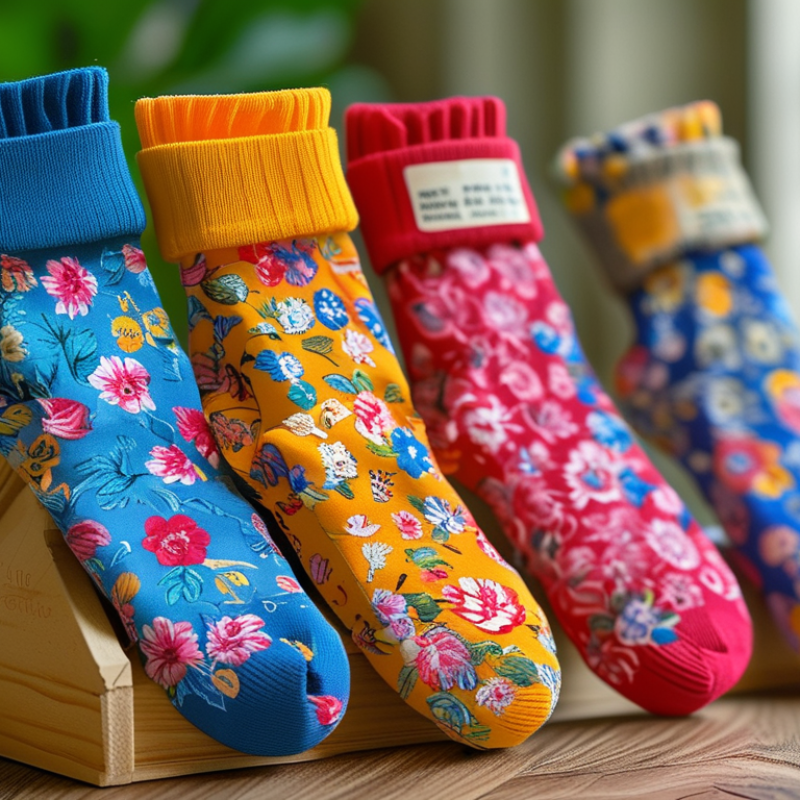
Digital Printing in the Global Socks Manufacturing Industry
Digital printing is changing how global buyers evaluate sock manufacturers. Grand View Research valued the global digital textile printing market at approximately USD 2.91 billion in 2022. It also projects a 12.1% compound annual growth rate from 2023 to 2030. This growth reflects demand for shorter runs, faster sampling, and customized patterns. Socks benefit from these advantages because small artwork changes can be tested without producing large inventories.
Production quality still depends on more than a digital printer. Buyers should examine fiber preparation, ink compatibility, color calibration, and stretch recovery. A sharp image may crack when the sock expands over the foot. Manufacturing trials should include washing, abrasion, and repeated stretching. The toe area deserves special attention. Its curved shape can distort stripes, logos, and fine geometric details. Sometimes, a simpler pattern performs better.
Polyester remains important in this process. Textile Exchange reported that polyester represented about 57% of global fiber production in 2023. However, recycled content may require different pretreatment and color settings. That detail is often underestimated. Digital printing can reduce fabric waste during sampling, but it does not automatically guarantee lower environmental impact. Energy use, curing conditions, water management, and rejected pairs still matter. Global buyers should request test records, fiber details, production tolerances, and sample approval procedures before comparing the top ten digital print socks manufacturers.
Digital Printing in the Global Socks Manufacturing Industry
Typical technical and commercial benchmarks considered by global buyers
The chart summarizes commonly reported benchmark ranges for digital sock production, including print resolution, color capability, sampling speed, minimum order quantities, and production lead time. Actual specifications vary by machine type, sock material, design complexity, and order requirements.
Criteria for Evaluating Digital Print Socks Manufacturers
When evaluating digital print socks manufacturers, buyers should test evidence, not polished catalog photos. Smithers’ industry research identifies continued growth in digital textile printing, driven by shorter runs, customization, and faster sampling. This makes production flexibility a practical purchasing criterion. Ask manufacturers for recent sample pairs, not only fabric swatches. Inspect color consistency across the toe, heel, and ribbed sections. These areas often reveal weak print registration.
Technical capability matters, but repeatability matters more. Compare print resolution, ink durability, washing performance, and curing controls. Request test results using a defined washing method. ISO 105-C06 is commonly used for textile colorfastness to domestic and commercial laundering. Also review quality-control records, rejection rates, and batch traceability. The Global Organic Textile Standard requires strict material and processing controls, although certification alone does not prove excellent sock printing. Sustainability claims need supporting documents. The Textile Exchange Materials Market Report also shows rising demand for preferred fibers, so buyers should verify fiber composition and supply-chain evidence.
Tips: Build a scorecard before requesting quotations. Give quality, delivery reliability, customization, and compliance separate scores. Order a small pilot batch. Measure shrinkage after washing. Check whether the manufacturer can reproduce the same artwork thirty days later. A low quotation may hide setup costs or inconsistent finishing. No scorecard is perfect. I would also question my own assumptions, especially when a supplier provides impressive samples but limited production data. Independent lab testing can reduce this uncertainty before a larger order.
Profiles of the Top 10 Digital Print Socks Manufacturers
Global buyers should assess digital print sock manufacturers through repeatable evidence, not attractive catalogs.
One high-volume producer uses automated knitting lines and inline camera checks. Its strength is consistent sizing across large orders, though sampling may feel less flexible.
A second specializes in recycled yarn blends and provides fiber documentation for each batch. The fabric feels soft, but color variation can appear between dye lots.
A third focuses on sports socks, testing stretch, abrasion, and sweat transfer before shipment. Its testing records are useful, although small custom orders may face higher costs.
A fourth offers rapid sampling with direct-to-fabric digital printing. Buyers can review a physical prototype within days. However, fast sampling does not always predict bulk performance.
A fifth serves private-label programs with woven labels, packaging, and carton control. Its production experience reduces coordination work, but communication quality deserves close checking.
Another established manufacturer builds medical and comfort socks with soft seams and pressure-aware construction. It should provide measurable specifications, not vague comfort claims.
One design-led factory handles gradients, photographs, and intricate repeat patterns. Its color library is impressive, yet buyers should request wash-test results under their own conditions.
A technically focused supplier combines automatic inspection with barcoded lot tracking. This helps trace yarn, printing, and packing records when defects appear.
A smaller workshop supports low minimum quantities and frequent artwork changes. It offers valuable flexibility, but delivery schedules can become uneven during peak seasons.
The final profile is an export-oriented producer with audited quality procedures and multilingual documentation. Its strength is dependable paperwork, including invoices, test reports, and packing lists. Still, audits are snapshots; regular communication and independent pre-shipment checks remain sensible.
Practical buyers should compare samples, defect tolerance, lead times, and after-sales responses before committing.
How Global Buyers Can Select and Order the Right Manufacturer
Selecting the right digital print socks manufacturer starts with evidence, not attractive product photos. Shortlist suppliers with verifiable factory details, production experience, and clear export procedures. Ask for recent sample photos, material specifications, print technology, minimum order quantity, and monthly capacity. A reliable manufacturer should explain these details without vague promises.
Order physical samples before approving bulk production. Check color accuracy under natural light, pattern alignment, cuff recovery, toe stitching, fabric softness, and wash resistance. Request a test pair with your artwork. A sample can look perfect and still reveal weak stitching after washing. That small test may prevent a costly mistake. Some buyers overlook packaging strength, especially when socks travel through humid shipping routes.
Compare quotations carefully. The lowest price may exclude sampling, custom labels, inspection, or shipping preparation. Confirm the final unit cost, production timeline, payment stages, carton measurements, and acceptable defect rate in writing. Use a simple purchase specification with approved artwork, size charts, yarn composition, and packing instructions. Ask how the factory handles rework or shortages. Their answer often shows more professionalism than a polished sales presentation. I would also leave time for corrections; rushing the first order is tempting, but rarely wise. Keep communication records and approve a pre-production sample before releasing full production.