Top 10 Plastic Containers for Every Home: Which One Is Right for You?
In today's fast-paced world, the utility of plastic containers cannot be overstated. According to a recent report by Smith Research Group, the global market for plastic containers is projected to reach $292 billion by 2026, reflecting a compound annual growth rate (CAGR) of 4.5%. This surge is primarily driven by the growing demand for lightweight, durable, and eco-friendly storage solutions across various sectors, including food, pharmaceuticals, and household storage.
Experts in the field, such as Dr. Emily Carter, a leading plastic packaging analyst, emphasize the versatility of plastic containers by stating, "The right plastic container can not only enhance organization at home but also contribute to sustainability efforts by minimizing waste." With an array of options available, from airtight food storage to stackable bins for office supplies, choosing the right plastic container can significantly impact efficiency in daily routines.
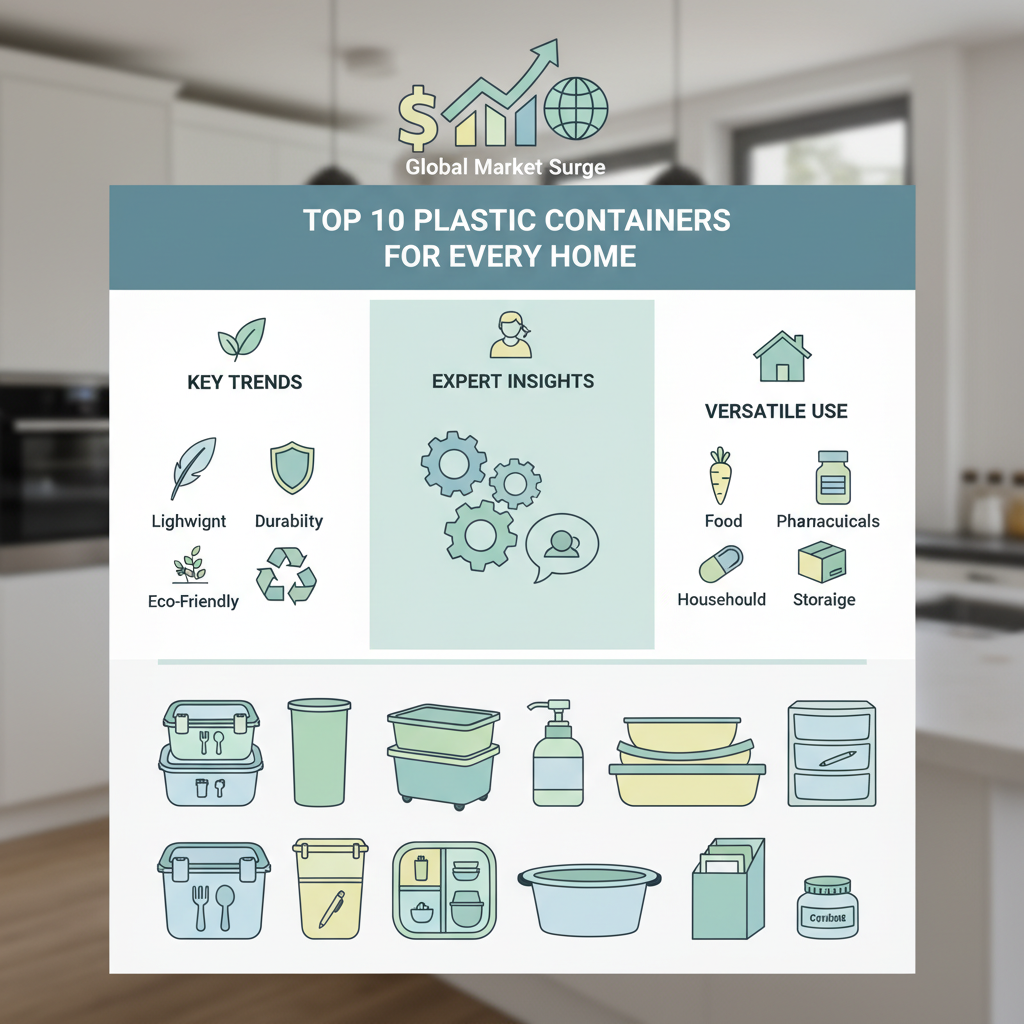
As we explore the top 10 plastic containers for every home, we will delve into key features, benefits, and recommendations that cater to diverse household needs, ensuring that you find the perfect match for your storage challenges. Understanding the variety in plastic container options is essential for making informed decisions that align with personal preferences and lifestyle demands.
Types of Plastic Containers: An Overview of Common Options
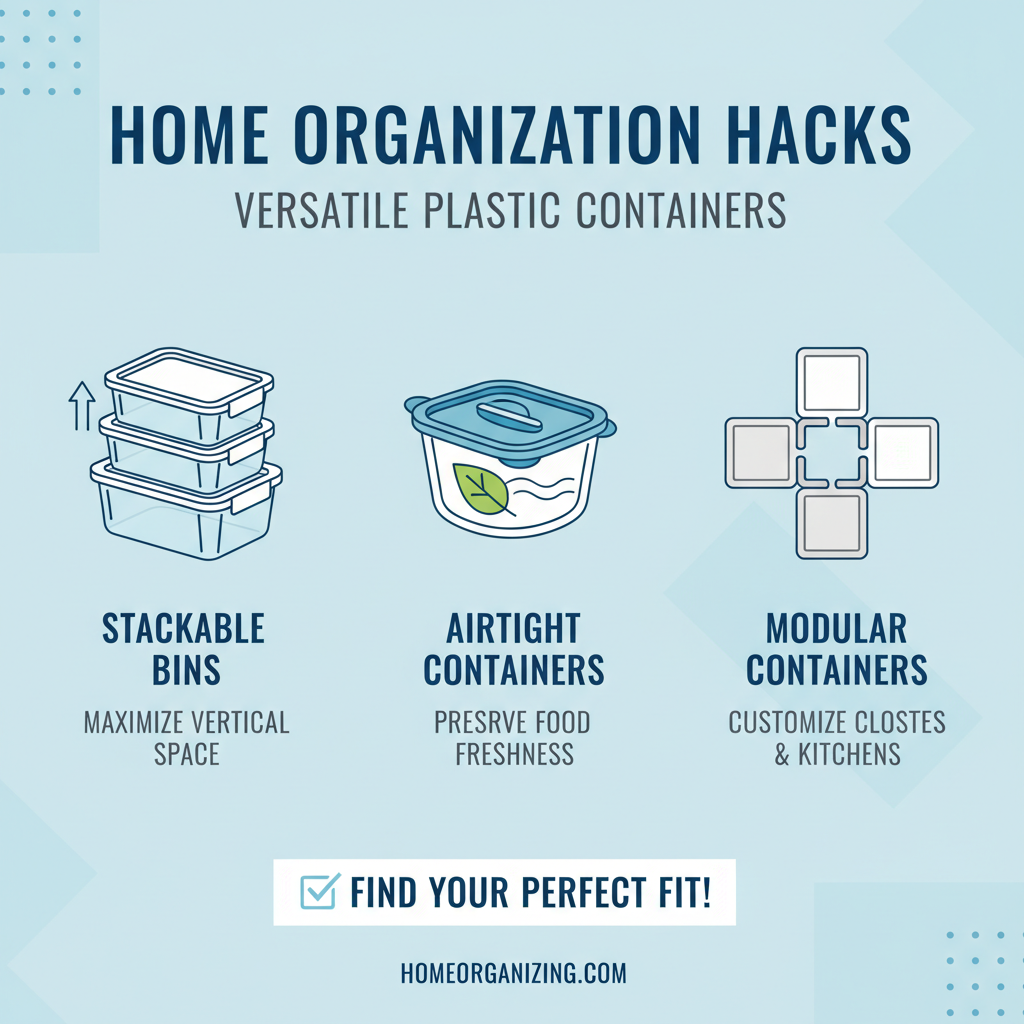
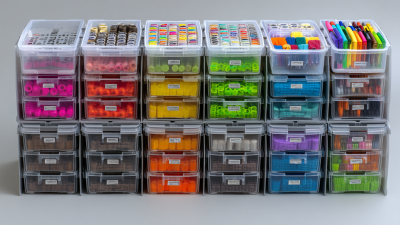
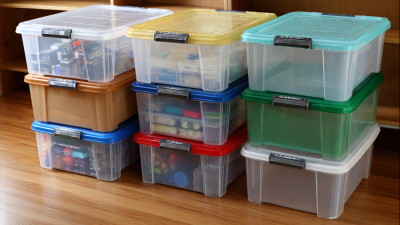
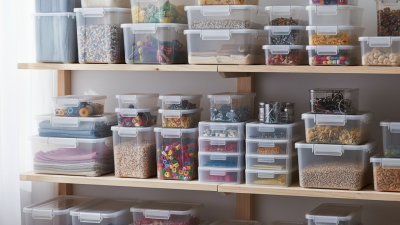
When it comes to organizing your home, plastic containers offer versatile solutions that cater to various needs. There are several types of plastic containers, each designed for specific purposes, ensuring that you can find the right fit for your storage challenges. The most common options include stackable bins, which maximize vertical space, and airtight containers, perfect for preserving food freshness. Additionally, modular containers can be arranged in different configurations, making them ideal for customizing spaces such as closets or kitchens.
Another popular choice is collapsible containers, which provide the added benefit of saving storage space when not in use. These containers are particularly helpful for those who live in smaller homes or apartments. Lastly, drawer organizers come in various shapes and sizes, allowing you to keep smaller items neatly separated, saving you time and hassle when searching for essentials. By understanding the various types of plastic containers available, you can make informed decisions that enhance your home's organization and functionality.
Factors to Consider When Choosing Plastic Containers for Your Needs
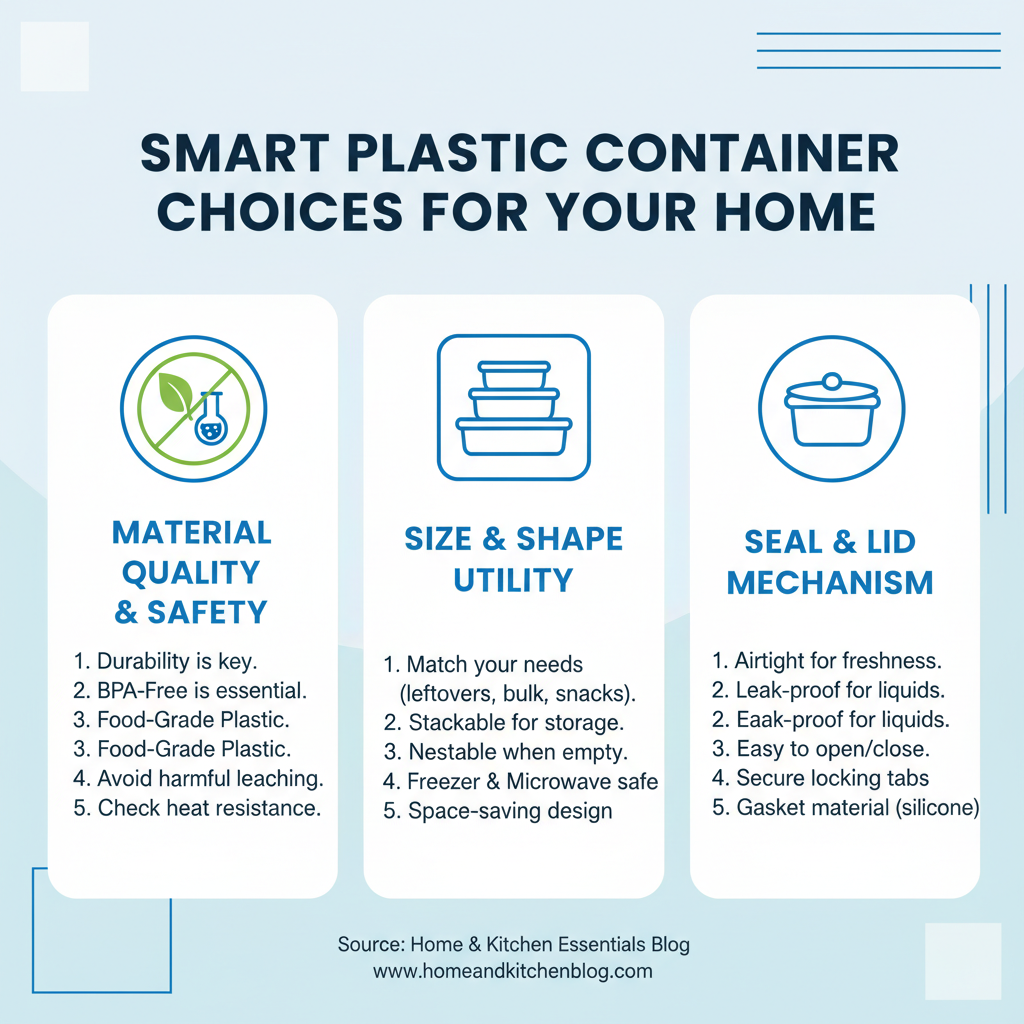
When selecting plastic containers for your home, there are several key factors to consider to ensure they meet your specific needs. First, the material quality plays a crucial role in durability and safety. Not all plastics are created equal; some can leach harmful substances when heated or exposed to certain conditions. It is essential to look for BPA-free options that are specifically designed for food storage to avoid any health risks.
Another important factor is the container's intended use. Different types of containers serve various purposes—some are better suited for leftovers, while others may be ideal for meal prepping or organizing household items. Additionally, consider the size and stackability of the containers, as they should fit well in your kitchen space without creating clutter. The availability of features like airtight seals can also significantly influence freshness and reduce waste, making it an essential aspect of your decision-making process.
Top 10 Plastic Containers: Features and Benefits of Each
When selecting plastic containers for your home, it’s essential to consider their features and benefits to find the perfect match for your needs. First, stackable containers are ideal for maximizing vertical space in your kitchen or pantry. These containers often come with airtight lids, ensuring that your food remains fresh while saving space. Additionally, many of them are made from durable BPA-free materials, making them safe for food storage.
Another popular option is microwave-safe containers, designed for convenience during meal prep and reheating. These containers are not only heat-resistant but also typically feature secure lids that prevent spills and leaks. For those looking to store leftovers or portion control meals, these containers are great for individually packaged servings. Lastly, multi-compartment containers offer versatility, allowing for the separation of different foods, which is perfect for lunch boxes or meal prepping. Each type of plastic container serves a unique purpose, catering to various lifestyle needs while helping to keep your home organized and efficient.
Storage Solutions: How to Optimize Space with Plastic Containers
When it comes to optimizing space in your home, choosing the right plastic containers can make all the difference. A recent report by the Container Store indicates that effective storage solutions can increase usable space by up to 30%. Organizing your belongings not only declutters your home but also enhances efficiency, making it easier to find and access items when needed. When selecting plastic containers, consider options that stack easily and have airtight seals, allowing you to maximize vertical storage in cabinets or closets.
The versatility of plastic containers makes them ideal for various storage needs—from food and pantry items to craft supplies and seasonal clothing. According to a survey by Statista, over 60% of homeowners prefer plastic storage solutions for their lightweight nature and durability. Additionally, using clear containers allows for easy visibility, ensuring you know exactly what is stored where. By fully utilizing plastic containers, you can transform underutilized spaces, such as attics or basements, into functional storage areas, ultimately leading to a more organized and serene living environment.
Top 10 Plastic Containers for Every Home
Best Practices for Maintaining and Cleaning Plastic Containers
When it comes to maintaining and cleaning plastic containers, following a few best practices can significantly extend their lifespan and keep them looking fresh. First, it’s important to wash them immediately after use to prevent food residue from hardening, which can create stubborn stains and odors. Use mild dish soap and warm water, and avoid abrasive scrubbers that can scratch the surface.
Tips: To remove tough stains, create a paste with baking soda and water, apply it to the stained area, let it sit for a while, and then scrub gently with a soft sponge. For plastic containers that have absorbed odors, try placing crumpled newspaper inside overnight to absorb the smell.
Another crucial aspect of maintaining plastic containers is properly drying and storing them. After washing, ensure they are completely dry to prevent mold and mildew growth. Store them with the lids off to allow airflow, or if stacking, ensure the lids are positioned to avoid warping.
Tips: Consider labeling your containers for easy identification, especially if you're storing similar items, which can save you time when looking for specific items. Also, avoid placing them in the dishwasher if they’re not labeled as dishwasher-safe, as high temperatures can warp or discolor plastic over time.
Top 10 Plastic Containers for Every Home: Which One Is Right for You?
| Container Type |
Best for |
Capacity |
Material |
Cleaning Tips |
| Food Storage Container |
Leftovers and meal prep |
0.5 - 5 liters |
BPA-free plastic |
Wash with warm soapy water |
| Storage Bin |
General storage |
5 - 50 liters |
Polypropylene |
Rinse and air dry |
| Water Bottle |
Hydration on the go |
500 ml - 2 liters |
Tritan or polyethylene |
Dishwasher safe |
| Food Prep Container |
Ingredient preparation |
1 - 4 liters |
Polyethene |
Use mild detergent |
| Lunch Box |
Packed meals |
0.5 - 2 liters |
BPA-free plastic |
Hand wash recommended |
| Freezer Container |
Freezing meals and leftovers |
1 - 3 liters |
Polypropylene |
Avoid extreme heat |
| Herb Keeper |
Storing fresh herbs |
Varies |
Food-safe plastic |
Use a damp cloth |
| Microwave Container |
Reheating meals |
0.5 - 2 liters |
Microwave-safe plastic |
Clean with warm soap |
| Pet Food Container |
Storing pet food |
5 - 25 liters |
High-density plastic |
Regular wash and dry |