Top Safety Padlock Options for Your Business Needs?
In today's competitive business landscape, the safety of your operations is paramount. One essential tool for safeguarding your assets is the Safety Padlock. These locks offer reliable protection for various applications, ensuring that only authorized personnel have access to restricted areas. With a wide range of options available, choosing the right Safety Padlock can be challenging.
Selecting a Safety Padlock requires careful consideration. It's not just about picking a lock; it's about understanding your specific needs. Different environments call for different types of locks. Some may require weather-resistant features, while others need advanced security mechanisms. A well-informed choice can prevent potential breaches, yet many companies overlook this crucial aspect.
Take a moment to reflect on your business’s safety protocols. Are your current padlocks sufficient? It’s a question worth pondering. By investing time in evaluating top Safety Padlock options, you can enhance your business's security measures significantly.
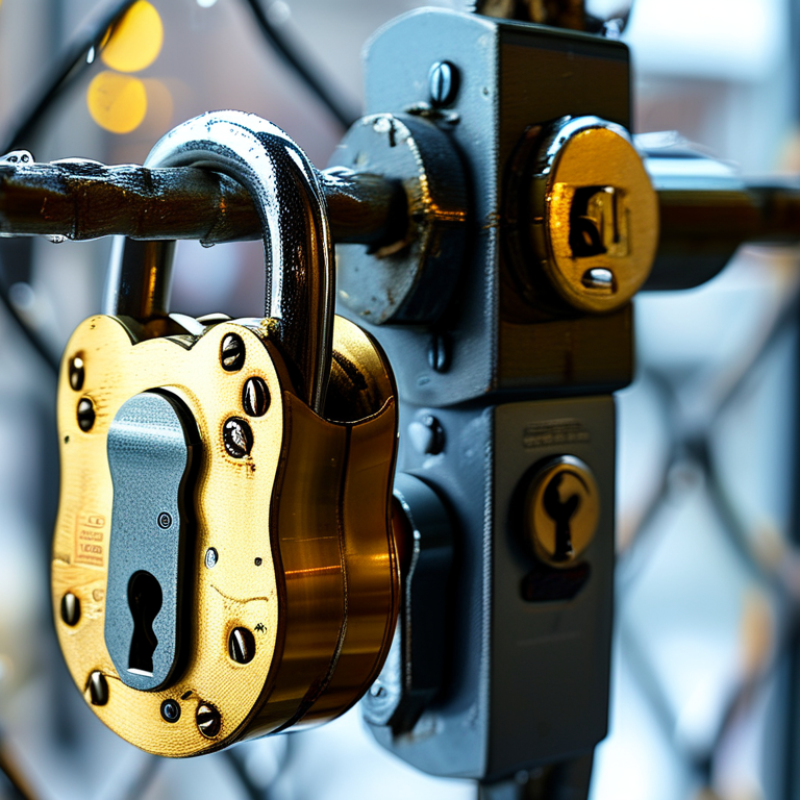
Understanding the Importance of Safety Padlocks for Businesses
Safety padlocks are vital for businesses to protect their assets and ensure safety. Proper use of padlocks can prevent unauthorized access to restricted areas. In fact, according to a recent industry report, around 30% of workplace accidents result from inadequate safety measures. This statistic emphasizes why investing in high-quality safety padlocks is crucial.
Choosing the right padlock involves understanding your specific needs. Look for padlocks that offer strong durability and are resistant to various environmental factors. Corrosion-resistant padlocks can last longer in various working conditions. An estimated 25% of thefts occur due to weak locking systems, making it essential to select locks that meet industry standards.
Tips: Regularly inspect your padlocks for wear and tear. Consider using color-coded locks for different departments to streamline safety measures. Training staff on proper padlock usage can also enhance security. Investing in safety measures today can save your business from future losses.
Types of Safety Padlocks: Which One Suits Your Needs?
When selecting safety padlocks for your business, consider the different types available and their specific features. Padlocks come in various forms, each suited for different situations. Keyed padlocks provide traditional security, while combination locks offer convenience without the need for keys. For hazardous environments, high-security or weather-resistant padlocks are essential.
Tips: Assess your security needs carefully. Understanding the environment where the padlocks will be used is crucial. Consider factors like humidity, temperature, and exposure to chemicals. Choose robust materials that ensure longevity.
Specialized padlocks, such as those with lockout/tagout features, are vital for industries focusing on safety protocols. These ensure machinery is properly secured during maintenance, preventing accidents. Reflect on your operations and identify areas needing enhanced security.
Invest in padlocks that match your daily operations. This may take time and experimentation. Observe how they hold up over weeks or months. Gather feedback from staff on usability to enrich your decision-making process.
Key Features to Consider When Choosing a Safety Padlock
When selecting safety padlocks for your business, several key features warrant careful consideration. Durability is paramount. A padlock's materials need to withstand environmental conditions, such as moisture and corrosion. According to the American National Standards Institute (ANSI), a high-quality padlock should meet at least level 4 out of 6 in durability ratings. Many businesses overlook this aspect, leading to premature replacements and increased costs.
Another critical feature is the locking mechanism. Different mechanisms offer varying levels of security. A dual-keyed system can enhance protection against unauthorized access. Reports indicate that over 30% of security breaches occur due to inadequate locking mechanisms. Engaging a locksmith for expert advice can guide businesses in selecting a suitable option.
Lastly, customization options are important. A padlock that can be keyed alike for multiple locks adds convenience. Companies often underestimate the advantages of a well-designed key system. Research shows that businesses streamline operations and reduce time spent managing keys by 25% with effective padlock systems. Balancing these features might seem challenging, but the right approach enhances security and operational efficiency.
Top Brands and Models for Commercial Safety Padlocks
When choosing a safety padlock for your business, it’s essential to consider the brand and model. Various options cater to different security needs. High-quality padlocks often include features like weather resistance and tamper-proof designs. These characteristics ensure that your locks withstand the test of time and environmental challenges.
Some top models are made from robust materials, like hardened steel. This construction makes them difficult to cut or break. Also, look for padlocks with advanced key designs. These often prevent unauthorized duplication, enhancing overall security. Durability should be a priority in any choice.
While it's easy to get caught up in the latest technology, older models can still serve effective purposes. Reflect on your specific security concerns before selecting a padlock. Not every option fits every situation. Identify the unique vulnerabilities of your business to make a more informed decision.
Top Safety Padlock Options for Your Business Needs
| Model | Material | Shackle Width | Locking Mechanism | Weather Resistance | Safety Rating |
| Model A | Steel | 3/8 inch | Dual Ball Locking | Rain & Dust Resistant | High |
| Model B | Brass | 1/2 inch | Keyed | Waterproof | Medium |
| Model C | Aluminum | 5/16 inch | Combination | Corrosion Resistant | Low |
| Model D | Stainless Steel | 3/4 inch | Smart Lock | All Weather | Very High |
Maintaining and Storing Your Safety Padlocks Effectively
Maintaining and storing safety padlocks effectively is crucial for enhancing workplace security. Regular maintenance can significantly extend the life of your padlocks. According to a report by the National Safety Council, up to 30% of safety equipment failures are linked to improper maintenance. This highlights the importance of developing a routine check for padlocks to ensure they are functioning correctly.
One effective tip is to store padlocks in a dry, clean location. Moisture can lead to rust, while dirt can obstruct locking mechanisms. Keeping them in a designated area not only promotes organization but also ensures quick access when needed. Additionally, lubricating the locks periodically is essential. This small step can prevent jams and deterioration of the locking mechanism.
It's also important to regularly inspect for wear and tear. Look for signs of corrosion or damage. Replace any padlocks that don't meet safety standards. A study from the Occupational Safety and Health Administration (OSHA) shows that companies with well-maintained lockout/tagout systems significantly reduce workplace accidents. Effective padlock management is not just about having the right products. It's about ensuring they are always in optimal working condition.
Top Safety Padlock Options for Your Business Needs