Top Industrial Scrubber Trends to Watch in 2026?
As industries continue to advance, the role of Industrial Scrubbers becomes increasingly vital. Experts are closely monitoring key trends that could reshape this sector by 2026. According to Dr. Emily Chen, a prominent figure in industrial air quality management, "The future of industrial scrubbers lies in their adaptability to new regulations and technologies."
The focus on environmental sustainability drives many innovations in the industrial scrubber market. Companies are exploring ways to reduce emissions and enhance efficiency. Energy efficiency and integration with smart technologies are also critical areas of development. Despite these advancements, some businesses struggle to keep pace with regulations.
Evaluating these trends can help industries prepare for future challenges. It’s essential to gather insights from experts in this field to navigate changes effectively. Understanding both the opportunities and potential pitfalls in the industrial scrubber market is crucial for future success.
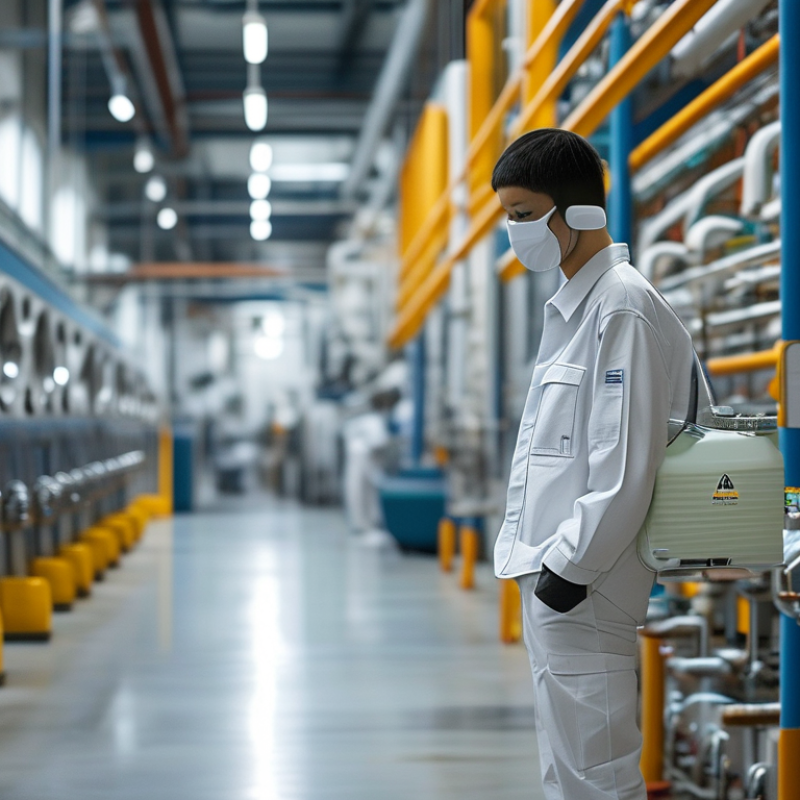
Emerging Technologies in Industrial Scrubber Designs for 2026
Emerging technologies in industrial scrubber designs are transforming the landscape for businesses aiming to enhance air quality. The global market for air scrubbers is projected to grow significantly, with estimated growth rates surpassing 7.5% annually by 2026. This momentum stems from increasing regulatory pressures and a strong push for sustainability.
Innovative designs, such as hybrid scrubbers that combine various filtration methods, are gaining traction. For instance, studies show that these systems can reduce particulate matter by over 90%. Additionally, the incorporation of artificial intelligence into control systems allows for real-time adjustments, enhancing efficiency. AI can predict maintenance needs, minimizing downtime and costs. However, integrating such advanced systems often requires a reassessment of existing infrastructure.
Despite these advancements, challenges persist. Many facilities struggle with the transition to new technologies. Initial costs may deter stakeholders, leading to a slower adoption rate. Moreover, ongoing training is necessary to operate these complex systems effectively. As the industry evolves, addressing these gaps will be crucial for maximizing the benefits of emerging scrubber technologies.
Impact of Stringent Environmental Regulations on Scrubber Demand
The demand for industrial scrubbers is rising due to stringent environmental regulations. Governments worldwide are implementing stricter rules to control air pollution. These regulations often require industries to install advanced scrubber technology. This shift creates growth opportunities for businesses investing in cleaner solutions.
As industries adapt, challenges arise. Meeting regulatory compliance can be costly and complex. Companies may struggle to balance costs while upgrading their systems. Additionally, some technologies may not be suitable for every environment. Continuous innovation is necessary to address these discrepancies and improve efficiency.
The urgency of climate change drives these trends. Businesses face pressure from consumers and stakeholders to adopt sustainable practices. This trend is not just about compliance; it’s about a commitment to a greener future. Industrial scrubbers are at the forefront of this transformation, reinventing how industries operate. The path forward is complex but necessary for a healthier planet.
Advancements in Material Science for Enhanced Scrubber Efficiency
The industrial scrubber landscape is shifting rapidly in 2026, driven by advancements in material science. These developments enhance the efficiency and durability of scrubbers, optimizing their performance in pollution control. New materials, such as advanced ceramics and composites, are showing promising results. They withstand harsh environments while maintaining high filtration capabilities, leading to reduced operational costs.
Tips for selecting materials: Focus on corrosion resistance. This can drastically extend the lifespan of scrubbers. Consider weight as well; lighter materials can simplify installation and maintenance. Additionally, look for innovations in surface coatings that can improve adherence and filtration efficiency.
These advancements do not come without challenges. The industry faces hurdles such as material sourcing and cost implications. Some newer materials may require specialized handling techniques. It’s essential to evaluate the long-term benefits against initial investments. Balancing these factors is key for effective implementation in scrubber technology moving forward.
Integration of Smart Technologies in Industrial Scrubber Operations
The integration of smart technologies into industrial scrubber operations is set to transform the industry by 2026. A recent report from the Environmental Protection Agency indicates that smart scrubbers can achieve a 30% reduction in energy consumption. These technological advancements enable real-time monitoring and data collection, improving operational efficiency. Sensors gather air quality metrics, helping facilities respond promptly to changes.
However, the adoption rate of these technologies presents challenges. Many industries still rely on legacy systems, which struggle to integrate with new smart technologies. The shift requires substantial investment and training. A survey by the International Society for Automation found that 52% of manufacturers view skill gaps as a barrier to implementation.
Despite these issues, the potential benefits are compelling. Automated scrubbers enhance compliance with environmental regulations and reduce operational costs. A well-implemented smart scrubber could provide a return on investment within two years. The future of industrial scrubber operations looks promising, but industry players must address the existing hurdles effectively.
Top Industrial Scrubber Trends to Watch in 2026 - Integration of Smart Technologies in Industrial Scrubber Operations
| Trend | Description | Impact | Implementation Timeline |
| AI-Powered Monitoring Systems | Use of AI for real-time performance monitoring and predictive maintenance. | Improved efficiency and reduced downtime. | 2024-2026 |
| Integration with IoT | Connecting scrubbers to IoT devices for enhanced data collection and remote monitoring. | Better data analytics leading to improved operational decisions. | 2025-2026 |
| Automated Control Systems | Implementation of advanced control systems for automatic adjustments based on environmental data. | Reduction in manual intervention and consistent scrubber performance. | 2024-2025 |
| Real-time Data Analytics | Utilization of big data analytics for operational insights and efficiency improvements. | Enhanced decision-making capabilities. | 2025-2026 |
| Sustainability and Compliance Tracking | Smart technologies to ensure emissions meet regulatory standards. | Avoidance of penalties and improved environmental responsibility. | 2025-2026 |
Market Forecast and Key Players in the Industrial Scrubber Industry 2026
As we look ahead to 2026, the industrial scrubber market is poised for significant growth. Industry analysts project a 6% compound annual growth rate (CAGR) in the scrubber market. This growth is largely driven by stringent environmental regulations regarding air quality. Companies across various sectors are adopting advanced scrubber technology to meet these demands.
Key players in the industry are focusing on innovative technologies. Integrated solutions such as wet scrubbers and dry scrubbers are garnering attention. These technologies promise improved efficiency in removing pollutants. According to a recent market report, the demand for eco-friendly scrubbers is expected to surge. This shift underlines a powerful trend: industries must balance operational efficiency with environmental responsibility.
Nevertheless, challenges persist. The initial costs of advanced scrubbers can deter smaller companies. Maintenance complexities also require skilled personnel. Industry experts recommend ongoing training for operators to maximize scrubber performance. Furthermore, the evolving regulatory landscape may impose additional compliance costs. However, proactive investment in scrubber technology could yield long-term benefits, both environmentally and economically.