
Your Source for Trays!

Top U240B Suspension Glass Isolator Suppliers Worldwide

Choosing a dependable supplier for a U240b Suspension Glass Isolator takes more than comparing catalog prices. Utilities and project buyers need products that match the required electrical and mechanical ratings, along with clear documentation for inspection and installation. The U240B designation is commonly associated with a high-strength glass suspension insulator, but exact dimensions and ratings can vary by specification. Verify the drawing, not just the model name.

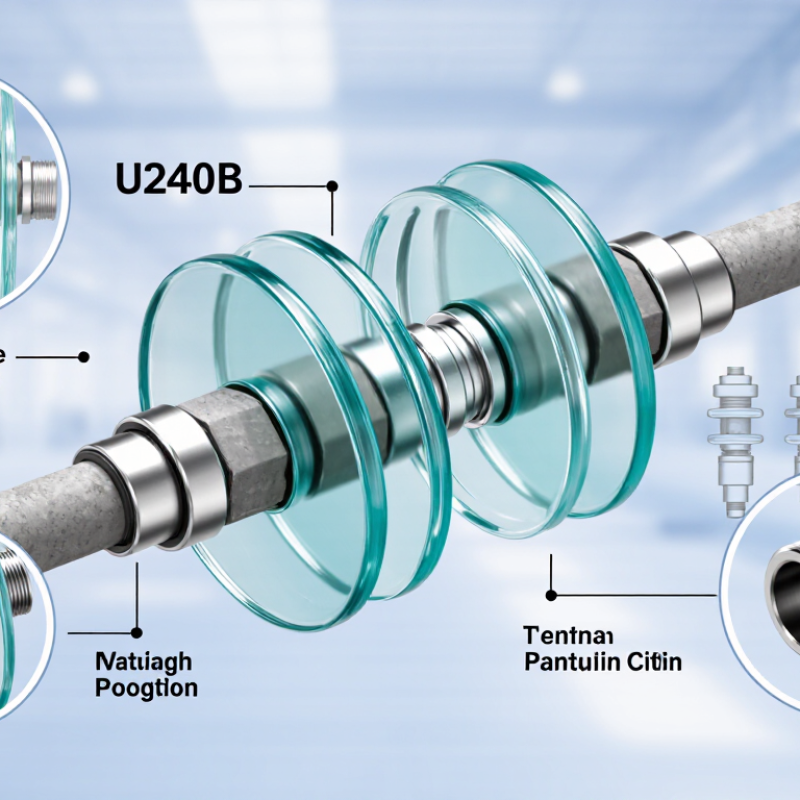
A useful supplier review looks at manufacturing experience, quality controls, test reports, traceability, and the ability to provide consistent batches. Ask for details such as unit dimensions, creepage distance, coupling type, and electromechanical performance. Clear photographs can help reveal the glass profile, metal fittings, and cement assembly, but they cannot replace inspection records. Small differences matter. Confirm that offered products meet the project’s applicable standards and utility requirements, and check how packaging protects units from impact during transport. Buyers may also compare production capacity, lead times, export experience, and after-sales support across suppliers worldwide. A polished brochure is not proof of quality; independent verification and complete technical records are more useful. Even then, supplier claims deserve careful review. This guide introduces key considerations for comparing U240B suspension glass isolator suppliers and identifying questions worth asking before procurement.
Top U240B Suspension Glass Isolator Suppliers Worldwide

U240B Glass Insulators: The 240 kN Mechanical Failing Load

U240B Glass Insulators: The 240 kN Mechanical Failing Load

A U240B suspension glass insulator is identified by a mechanical failing load of 240 kN. This figure describes the load at which the unit fails during a specified mechanical test. It is not a recommended everyday operating load. That distinction matters.

For buyers comparing suppliers worldwide, the rating is a starting point, not a complete specification. Ask for test records that identify the applicable standard, sample condition, and loading method. Check that the reported result applies to the complete insulator unit, including its metal fittings. A clear technical data sheet should also state dimensions, coupling details, and electrical characteristics. Small differences can affect string assembly and compatibility.

In service, conductors move under wind, ice, and changing temperatures. These forces transfer through the hardware and insulator string. The 240 kN figure helps engineers assess mechanical capacity, but it cannot replace line-specific design calculations or inspection. Request traceable quality documentation and confirm how routine production tests are performed. Glass surfaces make damage visible, which helps inspection, though dirt and reflections can hide fine details. A practical review should account for that. One overlooked point is handling: chipped edges or stressed fittings may compromise an otherwise suitable unit.

U240B Glass Insulators: 240 kN Mechanical Failing Load

The chart shows reference load increments leading to the U240B’s specified 240 kN mechanical failing load. These are load levels, not supplier test results or a measured failure curve.

IEC 60305: Dimensions and Characteristics of Cap-and-Pin Insulator Units

Top U240B Suspension Glass Isolator Suppliers Worldwide

IEC 60305: Dimensions and Characteristics of Cap-and-Pin Insulator Units

For a U240B suspension glass unit, IEC 60305 provides a reference for dimensions and characteristics—not a substitute for checking the project specification. Cap-and-pin units connect into strings, so dimensions such as coupling geometry and spacing affect fit with neighboring hardware. Small mismatches matter. They can complicate assembly in the yard or alter the intended string arrangement.

The standard also supports consistent comparison of electrical and mechanical characteristics. When reviewing supplier data, check the stated unit classification, mechanical strength, creepage distance, and drawing dimensions against the required edition and purchase documents. Glass sheds should be free from visible damage, while caps and pins need clear, compatible dimensions. A datasheet alone may not answer every installation question; confirm tolerances and test documentation with the supplier. It is easy to focus on the headline load value and miss a critical interface detail.

Tips: Compare certified drawings, not product photos. Confirm coupling dimensions, marking, and the exact IEC edition before approval. Keep one point open for review: project-specific requirements may add details beyond the standard.

IEC 60383-1: Tests for Glass Insulators on Overhead Lines Above 1 kV

For buyers comparing U240B suspension glass insulators worldwide, IEC 60383-1 provides a practical baseline. It covers test methods and acceptance criteria for glass or ceramic insulator units used on overhead lines above 1 kV. Its checks help buyers assess dimensions, electrical performance, mechanical strength, and manufacturing consistency. The U240B designation is commonly associated with a 240 kN mechanical rating, but confirm the value against the supplier’s product drawings and the applicable IEC 60305 requirements. A familiar label is not proof of a matching design.

Ask suppliers for traceable type-test and routine-test records, with the tested model clearly identified. IEC 60383-1 is the key reference for test requirements; IEC 60305 provides relevant dimensional and characteristic requirements for cap-and-pin insulator units. Compare test conditions, sample identification, and acceptance results, not just certificate logos. A report for a similar unit may not establish performance for the exact U240B assembly. That distinction is easy to miss.

Tips: Check for cracks, chipped sheds, and uneven glass around the metal fittings. Match the drawing, rating, and test report before approving a shipment. One gap remains: test data cannot fully predict service life under every local pollution, weather, and installation condition. Use site conditions when reviewing supplier claims.

Top U240B Suspension Glass Isolator Suppliers Worldwide - IEC 60383-1: Tests for Glass Insulators on Overhead Lines Above 1 kV

Evaluation Dimension Relevant Data or Requirement Supplier Documentation to Request Purchasing Consideration
Product type U240B refers to a suspension-type glass insulator designation used in international product catalogues. Confirm the exact configuration and designation against the applicable drawing and technical specification. Dimensioned product drawing, designation explanation, and bill of materials Do not rely on the type code alone; verify dimensions, fittings, and interface requirements.
Mechanical rating The “240” rating commonly denotes a nominal mechanical failing load of 240 kN for this class. The guaranteed value and test basis must be stated in the product documentation. Guaranteed mechanical failing load, type-test report, and routine-test records Check that the specified load, acceptance criteria, and test results match the project specification.
Applicable product standard IEC 60383-1 applies to ceramic or glass insulator units for a.c. overhead lines with a nominal voltage above 1,000 V. It covers definitions, test methods, and acceptance criteria. Declaration of conformity identifying the standard and edition used Confirm that the cited edition and any additional project or national requirements are acceptable.
Test classification IEC 60383-1 organizes requirements into design, type, sample, and routine tests, as applicable to the insulator unit and its construction. Test plan and reports identifying test category, specimen, method, and result Request traceable evidence rather than a general statement that the product is “IEC compliant.”
Mechanical and electromechanical tests Relevant tests may include mechanical or electromechanical failing-load tests, according to the product design and applicable standard requirements. Test load, loading procedure, results, test date, and laboratory details Verify that reports apply to the offered design and the specified mechanical class.
Electrical performance Electrical test requirements depend on the insulator design and the applicable test category. The required power-frequency and impulse performance should be defined in the project specification. Applicable electrical test reports and declared performance values Compare test conditions and acceptance criteria with the required system voltage and insulation coordination.
Dimensions and fittings Overall dimensions, creepage distance, coupling size, and metal fitting details should be specified for the offered unit; these values are not safely established by the U240B code alone. Approved outline drawing and fitting or coupling details Check compatibility with the string hardware and clearances used on the overhead line.
Glass and metal components Confirm the glass material, cap-and-pin or other fitting configuration, and corrosion-protection requirements stated for the specific product. Material specifications, manufacturing controls, and coating documentation where applicable Evaluate suitability for the installation environment and project service-life requirements.
Quality and traceability Production batches should be identifiable, with inspection and test records linked to the supplied units. Quality-system certificate, inspection plan, batch identification, and inspection records Include document review, inspection, and any witness or acceptance testing in the purchase terms.
Standards and project verification IEC 60383-1 addresses insulator-unit testing; system-level selection also depends on voltage, pollution severity, altitude, and line design. Technical compliance matrix covering IEC requirements and project-specific requirements Have the purchaser or responsible design engineer confirm suitability for the intended network and service conditions.

Note: This table presents supplier-evaluation criteria, not a ranking or certification of individual suppliers. Confirm all ratings, dimensions, test requirements, and compliance claims against the current project specification and the supplier’s product-specific documentation.

Worldwide U240B Suppliers: Manufacturers Across Key Production Regions

Worldwide U240B sourcing spans production bases in East Asia, South Asia, and parts of Europe. These regions differ in glass-forming capacity, steel-cap fitting, export routes, and access to testing laboratories. The IEA’s 2023 report, Electricity Grids and Secure Energy Transitions, says annual grid investment must exceed USD 600 billion by 2030, roughly double today’s level. This points to growing grid needs, but does not prove equal demand for every insulator type.

Buyers should compare verified production capacity, dimensional tolerances, batch traceability, and test records. Ask suppliers to document mechanical and electrical checks against the project specification. A factory audit can reveal details that a catalogue may miss, such as cap fitting consistency or moisture protection inside export crates.

A polished catalogue is not enough. Regional claims need verification; freight times and local testing access can change landed costs. Supplier directories are incomplete, so a tidy map can mislead.

Tips: Request recent routine-test records and confirm the U240B drawing before ordering. Check packing photos, delivery schedules, and replacement-part availability. One overlooked detail: confirm how damaged units are reported and resolved.

How to Compare Suppliers by 240 kN Rating, Testing, and Quality Criteria

For U240B suspension glass insulators, compare the documented 240 kN rating with the actual test record, not just a catalogue line. IEC 60383-1 sets test requirements for glass and ceramic overhead-line insulator units; ask suppliers for type-test reports, sample identification, and calibrated equipment records. A 240 kN figure is a specified mechanical rating, not proof that every production batch performs identically. Check the reported failure load and how the supplier handles results near the acceptance limit. Small details matter.

Review electrical performance separately. IEC 60437 covers radio-interference testing, while IEC 60507 addresses artificial pollution tests for outdoor ceramic and glass insulators. Ask which voltage, pollution, and environmental conditions were used, and whether the report matches the offered U240B design. Compare glass quality, cap-and-pin dimensions, cementing process, and inspection records. Traceability should link each test sample to a production lot. It sounds obvious, but gaps happen.

A useful supplier comparison sheet records test standard and edition, laboratory, test date, sample size, measured results, and deviations. Also request evidence of routine inspection and breakage-rate monitoring, then compare figures using the same period and denominator. Do not treat a polished report as a guarantee. One weak point: test data alone cannot show how consistently a factory controls production over time.