
Your Source for Trays!

Why Choose an Air Actuator Valve for Industrial Control?

In industrial control, small valve decisions can shape an entire production line. An Air Actuator Valve uses compressed air to move a valve reliably, often within seconds. This response suits process plants, water treatment systems, food production, and manufacturing equipment. Operators can control fluid flow from a remote panel, while keeping electrical components away from certain operating areas. That separation can simplify system design.

A practical installation begins with the medium, pressure, temperature, and required flow rate. Engineers must also consider valve size, actuator torque, air quality, and cycling frequency. Clean, dry instrument air protects seals and reduces sticking. A properly sized actuator should move the valve firmly without wasting excessive air. Fast response matters. So does controlled movement. In a steam line, for example, sudden closure may create pressure shocks and mechanical stress. A qualified technician should verify these risks before commissioning.

The benefits are clear, but the choice is not automatically right. Air systems leak. Compressors require energy, maintenance, and backup planning. Poor sizing can produce weak movement, noisy operation, or premature wear. That assumption deserves scrutiny. Site experience shows that a simple pneumatic design may outperform a complex alternative when maintenance teams understand it well. Yet harsh temperatures, limited air supply, or precise positioning may require another actuator type. Reliable selection depends on documented calculations, manufacturer data, and operating evidence. This guide examines why an Air Actuator Valve remains valuable, where it can fail, and how careful engineering improves long-term control.
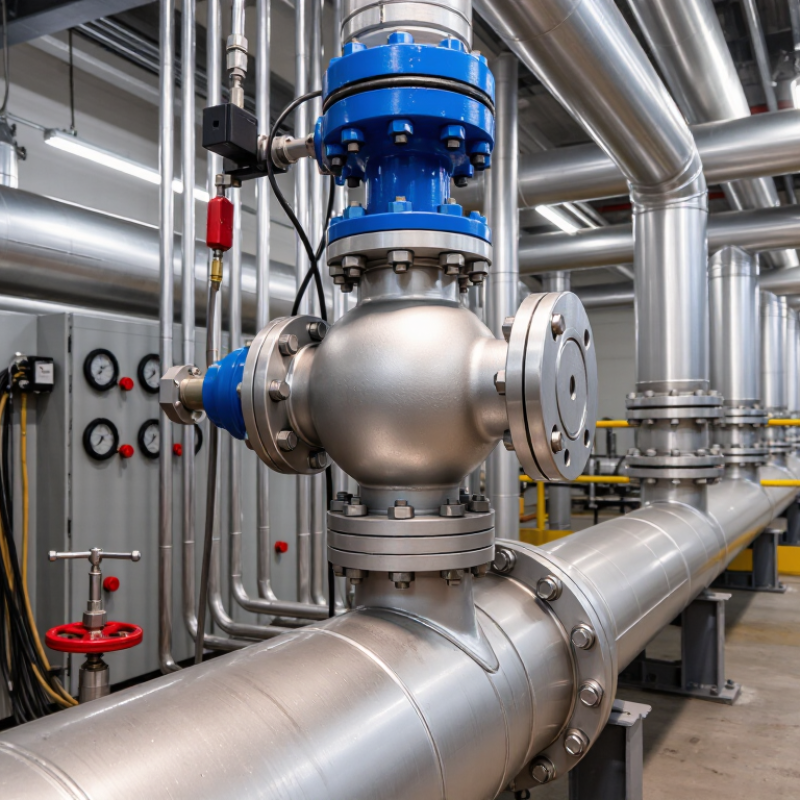
Why Choose an Air Actuator Valve for Industrial Control?

What Is an Air Actuator Valve?

An air actuator valve combines a valve body with a pneumatic actuator. Compressed air moves a piston or diaphragm, which opens or closes the valve. The valve controls liquids, gases, steam, or slurries inside industrial piping. A control signal regulates the air pressure and movement. Simple, fast, and dependable.

Air actuator valves suit facilities that need frequent, responsive flow control. They can operate quickly during process changes or emergency shutdowns. Spring-return designs can move to a safer position when air pressure disappears. This feature matters near hot lines, chemical processes, and pressurized equipment. However, “fail-safe” does not mean failure-proof. Incorrect air pressure, poor tubing, or moisture can still cause trouble. In field maintenance, a small sizing mistake often creates slow movement, noise, or incomplete closure.

Tips: Check the medium, pressure, temperature, and required flow range before selection. Confirm whether the valve should fail open or fail closed. Install clean, dry instrument air with suitable filtration. Inspect seals and connections regularly. A manual stroke test can reveal problems early. Do not choose an actuator by pipe size alone; torque, cycle frequency, and valve design also matter.

How Air Actuator Valves Work in Industrial Systems

Why Choose an Air Actuator Valve for Industrial Control?

An air actuator valve converts compressed-air energy into controlled mechanical movement. A pneumatic signal enters the actuator chamber and moves a diaphragm or piston. This motion turns the valve stem or lifts the valve plug. The valve then regulates water, steam, gas, or process chemicals inside a pipeline.

Spring-return actuators move to a defined position when air pressure fails. Double-acting models use air for both opening and closing. A solenoid valve directs the air supply, while a positioner adjusts movement more accurately. Feedback devices can report the valve position to the control system.

Small details matter. Clean, dry air prevents sticking and corrosion inside the actuator. A clogged filter can create slow or incomplete movement.

In operating plants, technicians usually check tubing, air pressure, fittings, and travel response during routine inspections. A leak may sound like a faint hiss near the connection. It can also reduce force without obvious damage.

Control engineers should match actuator torque, valve type, pressure range, and required failure position. An oversized actuator may waste air and respond poorly. An undersized one may stall under process pressure.

The setup is not flawless. Temperature changes, poor calibration, and neglected seals still cause unexpected behavior. Documented testing and periodic review help expose these weaknesses before they affect production.

Key Benefits for Industrial Flow and Process Control

An air actuator valve gives industrial systems fast, repeatable movement without placing an electric motor at every valve. Compressed air drives the actuator, which opens or closes the valve in seconds. With a suitable positioner, it can also support continuous flow adjustment. Operators can control steam, water, gases, and process chemicals with consistent response. The correct fail position matters. A spring-return design can move the valve open or closed when air pressure disappears.

Field experience shows that reliability depends on more than the valve body. Clean, dry instrument air protects seals and prevents sluggish movement. Air is not free. Compressors, filters, dryers, and leaks add operating costs that engineers should calculate before installation. Correct torque sizing is equally important, especially when fluid temperature, pressure, and valve friction change during production. Too little torque creates unsafe hesitation; too much may accelerate wear.

Pneumatic systems also simplify maintenance in many plants. Technicians can inspect tubing, solenoids, regulators, and actuator travel without replacing a complex motor assembly. In areas requiring carefully controlled electrical equipment, pneumatic actuation may reduce certain ignition concerns, but the complete installation still needs proper assessment and certification. That assumption fails. Control engineers should review cycle frequency, emergency behavior, air quality, and manual override needs before selecting an actuator valve.

Why Choose an Air Actuator Valve for Industrial Control?

Air-actuated valves are commonly selected for fast, repeatable control and reliable operation in demanding industrial environments. The chart compares representative response-time ranges for common valve actuation technologies.

Key takeaway: Pneumatic actuation typically provides faster valve movement than electric actuation, while also supporting fail-safe configurations when instrument air is available. Actual performance depends on valve size, actuator torque, air pressure, control accessories, and installation conditions.

How to Select the Right Air Actuator Valve

Selecting the right air actuator valve starts with the process, not the catalog. Define valve type, media, pressure, temperature, and required flow rate. Then calculate actuator torque, including breakaway torque and a safety margin. A butterfly valve may need less torque than a severe-service ball valve. The difference matters.

Check the control signal and operating air pressure. A valve designed for 5 bar air may respond poorly at 3 bar. Confirm the fail-open or fail-closed position, especially where cooling, isolation, or pressure relief is critical. ISO 5211 provides dimensional guidance for actuator-to-valve mounting, but compatibility still requires physical verification. A drawing is not enough.

Air quality deserves more attention. ISO 8573-1 classifies compressed air by particles, water, and oil. Contaminated air can damage seals and create sluggish movement. The U.S. Department of Energy reports that compressed-air leaks may waste 20–30% of compressor output in poorly maintained systems. That loss can quietly reduce valve response and increase operating cost.

Keep the tubing short. Test the actual cycle time.

Do not oversize the actuator automatically. It may increase cost, air consumption, and control instability. A first selection is rarely perfect. Recheck torque after installation, because friction, temperature, and seat wear can change performance. Document the test results, even when they look ordinary.

Common Industrial Applications and Maintenance Needs

Air actuator valves suit industrial control because compressed air delivers fast, repeatable movement without placing electrical equipment near wet or hazardous process areas. Common installations include water treatment, packaging lines, food processing, chemical dosing, and pneumatic isolation points. A valve may open hundreds of times daily, so response speed and fail-safe behavior matter. Air quality matters too.

The U.S. Department of Energy reports that compressed air can consume about 10% of industrial electricity. Its compressed-air guidance also estimates leakage may waste 20–30% of compressor output. These figures make maintenance part of valve selection, not an afterthought. Inspect tubing, fittings, solenoid connections, and actuator seals during routine rounds. A faint hiss near a manifold often signals hidden cost. Filters and water separators need regular draining, especially in humid plants.

ISO 8573-1 helps engineers define compressed-air purity requirements. Clean, dry air protects seals and reduces sticking. Technicians should also verify cycle time, supply pressure, manual override condition, and position feedback. Keep records. They reveal gradual drift before production stops. A perfect schedule is unrealistic; dusty environments may require shorter intervals. One commonly missed issue is over-lubrication, which can attract debris and damage sensitive components. Practical maintenance still depends on observing the actual valve, not only following a checklist.

Why Choose an Air Actuator Valve for Industrial Control? - Common Industrial Applications and Maintenance Needs
Industrial Application Typical Media Common Valve Arrangement Why Use an Air Actuator Typical Control Function Main Maintenance Needs Inspection Focus
Chemical Processing Liquids, solvents, corrosive chemicals, and process gases Ball, butterfly, diaphragm, or lined control valves Fast operation, remote control, and suitability for hazardous areas when correctly configured Isolation, on/off dosing, emergency shutdown, and flow regulation Check actuator seals, tubing, air quality, valve-seat leakage, and corrosion on wetted parts Chemical compatibility, fail-safe position, leakage, and correct actuator torque
Water and Wastewater Treatment Raw water, treated water, sludge, air, and disinfecting chemicals Butterfly, ball, plug, or pinch valves Reliable remote operation and quick cycling across distributed treatment systems Flow isolation, backwash control, aeration control, and chemical injection Drain moisture from air lines, inspect filters, test limit switches, and check for shaft or seat wear Water ingress, sediment buildup, cycling frequency, and actuator response
Oil and Gas Processing Hydrocarbons, natural gas, produced water, and process chemicals Ball, gate, globe, and emergency shutdown valves High power-to-weight ratio, rapid emergency action, and compatibility with centralized control systems Pipeline isolation, pressure control, blowdown, and emergency shutdown Perform functional testing, inspect air supply, verify fail position, and check external and internal leakage Safety integrity requirements, hazardous-area installation, corrosion, and partial-stroke test results
Food and Beverage Processing Water, syrups, oils, dairy products, cleaning chemicals, and compressed air Sanitary butterfly, ball, seat, and diaphragm valves Clean, repeatable automation with no electric motor installed directly at every valve Product routing, batching, filling, mixing, and clean-in-place sequencing Inspect hygienic seals, confirm clean-in-place operation, check air cleanliness, and replace worn gaskets Dead spaces, seal condition, contamination risk, and correct cleaning-cycle performance
Pharmaceutical Manufacturing Purified water, process fluids, gases, powders, and cleaning solutions Diaphragm, sanitary ball, seat, and pinch valves Accurate repeatability, remote operation, and suitability for validated automated processes Batch control, sterile-fluid routing, sampling, and process isolation Document calibration, verify actuator travel, inspect diaphragms, and maintain clean instrument air Cleanability, material compatibility, aseptic integrity, and validation records
Power Generation Steam, cooling water, boiler feedwater, fuel gas, and combustion air Globe, butterfly, ball, and control valves High cycling capability and dependable operation in automated utility systems Steam control, cooling regulation, fuel isolation, and combustion-air adjustment Check packing, actuator linkage, position feedback, air pressure, and valve-seat condition High temperature, vibration, flashing, cavitation, and fail-safe response
HVAC and Building Services Chilled water, hot water, steam, and ventilation air Butterfly, ball, globe, and damper assemblies Centralized control and dependable operation for large air-handling and utility systems Temperature control, zone isolation, ventilation adjustment, and fire or smoke damper operation Inspect linkage, confirm full travel, check air leaks, and test automatic safety positions Noise, vibration, accessibility, seasonal cycling, and damper or valve alignment
Pulp and Paper Manufacturing Water, pulp slurry, chemicals, steam, and process liquor Butterfly, knife gate, pinch, ball, and diaphragm valves Suitable for frequent remote cycling and harsh, wet production environments Stock flow control, chemical dosing, steam isolation, and process-line switching Flush deposits, inspect seats and packing, check actuator torque, and remove moisture from air preparation units Abrasive wear, plugging, slurry buildup, corrosion, and incomplete valve travel
Maintenance note: Inspection frequency should be based on valve criticality, cycling frequency, operating temperature and pressure, media properties, environmental conditions, and applicable plant procedures. Always isolate and depressurize the system before servicing.