How to Choose the Right Drip Tray for Your Business
Choosing the right drip tray can improve cleanliness, protect work surfaces, and make daily service easier. But the best option depends on where it will be used. A compact café counter has different needs from a busy bar, brewery, or food-service station. Start with the space: measure the available width and depth, and check where staff need room to work. A tray that looks right online may still crowd a real counter.
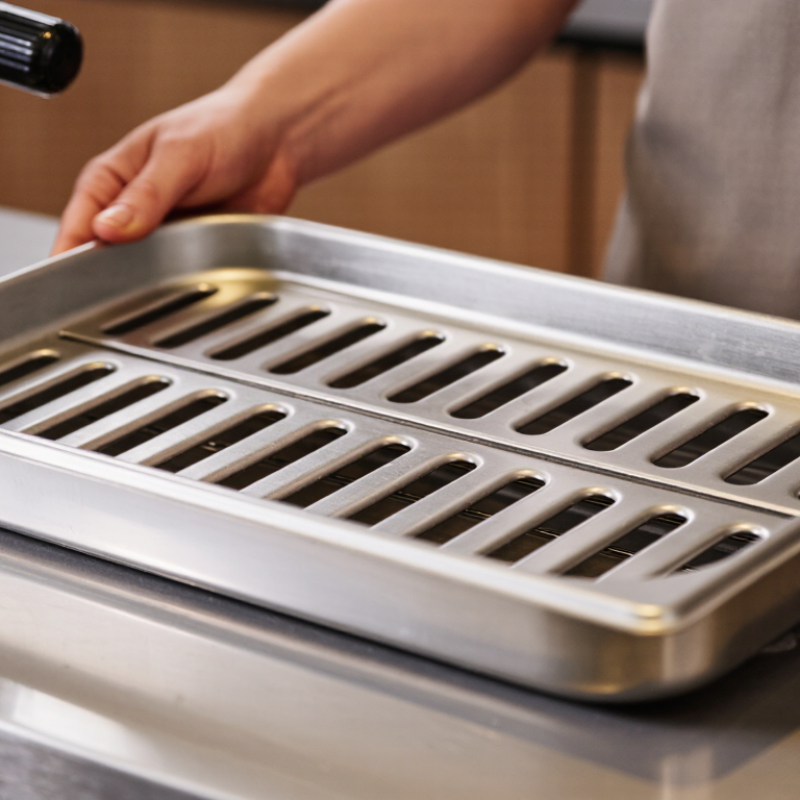
Capacity and construction matter, too. Consider how much liquid the tray may collect during a typical shift, and how often staff can empty it. Stainless steel is often chosen for its durable, easy-to-clean surface, while removable grates can make routine cleaning simpler. Check the product’s stated dimensions, materials, and care instructions rather than relying on appearance alone. Small details matter. A drain connection may help in some setups, but it must fit the location and installation plan.
Think about everyday handling before you buy. Can employees lift and clean the tray without disrupting service? Will its edges contain splashes, and does its shape suit the equipment above it? These practical checks help narrow the choices and reduce avoidable replacements. There is no universal best drip tray. The right fit may take a little testing, and a specification sheet cannot show every real-world constraint. Compare options against your workflow, available space, and cleaning routine to make a more informed decision.
Identify Your Business’s Drip Tray Requirements
Identify Your Business’s Drip Tray Requirements
Start by mapping where liquid collects: beneath beverage taps, coffee equipment, dish stations, or production lines. Note the liquid type, spill frequency, available footprint, and who empties the tray.
A café with steady drink service may need a wide, removable tray; a compact counter may need a narrow unit that fits without blocking work. Measure the space, including clearance for lifting and cleaning. Small details matter.
Estimate actual peak use, not just average traffic. The National Restaurant Association’s 2024 State of the Restaurant Industry projected $1.1 trillion in U.S. restaurant sales and 15.7 million industry jobs, underscoring the range of operating scales.
The figures do not specify spill volumes, so they cannot size a tray for you. Check a busy shift and record how often liquid accumulates.
A useful reality check. The U.S. Bureau of Labor Statistics reported 2.6 million nonfatal workplace injury and illness cases in private industry for 2023; that broad figure is not tray-specific, but supports taking routine workplace conditions seriously.
Choose a tray with adequate capacity, stable placement, and surfaces your staff can clean easily. I would still revisit the choice after a week; estimates can miss the rush.
Compare Drip Tray Materials and Designs
A drip tray’s material affects how it handles spills, cleaning, and daily wear. Stainless steel resists corrosion and tolerates frequent washing, making it useful near sinks or beverage stations. It can be noisy when cups or tools are set down, though. A brushed finish hides scratches better than a mirror polish, which quickly shows fingerprints. Small details matter.
Plastic trays are lighter and often easier to move between counters. They may suit lower-heat areas, but some can stain from coffee, tea, or brightly colored syrups. Check the product’s temperature guidance and whether its surface resists common cleaning agents. Silicone inserts can soften impacts and catch small drips, yet their edges may hold residue if they are not lifted during cleaning. That part is easy to overlook.
Design matters as much as material. A removable grate keeps glassware above pooled liquid and makes rinsing simpler. A solid tray is easier to wipe, while a sloped base or drain outlet can direct liquid toward a container. Measure the counter space and consider how staff will empty the tray; a large model can become awkward when full. I used to favor glossy finishes for a neat look, but visible water spots changed my mind. Check corners and seams, where sticky deposits often linger.
Choose the Right Size and Liquid Capacity
Measure the drip tray during a real service period, not just from the equipment drawing. Count the taps, estimate how often staff empty the tray, and note where splashes actually land. A narrow tray may fit neatly beneath a counter but miss drips from forward-facing spouts. Leave room for a glass to sit without blocking the drain.
Size capacity for the liquid collected between checks, then add a practical buffer. For example, if a half-hour observation produces about 250 milliliters, a tray holding at least 500 milliliters gives staff more breathing room during a rush. These figures are a starting point; record your own peak-period volume because foam, rinsing, and staff habits change the result. Small matters. A tray that is too deep can also be awkward to lift when full.
Placement matters, too. The U.S. Bureau of Labor Statistics reported 885 fatal workplace injuries from falls, slips, and trips in 2023. That figure covers workplaces broadly, not drip-tray incidents, but it reinforces why overflow should be prevented and spills cleaned promptly. Choose a capacity that matches your checking routine, and test it through a busy shift. I would still recheck after changing the menu or service setup; estimates can miss.
Check Compatibility With Your Equipment and Workspace
A drip tray should fit the equipment and the way people move around it. Measure the full footprint, including raised edges, drain fittings, and any space needed to lift or remove the tray. Measure twice. A tray that fits beneath a machine may still block a cabinet door or crowd a narrow work surface.
Check how liquid leaves the tray. If the equipment has a drain outlet, confirm its position and height before choosing a tray with a matching opening. For a tray without direct drainage, consider its capacity and how easily staff can remove it for emptying. Small details matter. A lip that catches splashes can help, but an awkward edge may make cleaning slower.
Think about daily use, not only the product dimensions. Leave enough clearance for hands, cleaning tools, and routine maintenance. A removable tray may be more practical in a tight workspace, while a fixed installation can suit a dedicated station. The surface should tolerate frequent washing and resist the kinds of spills expected in your operation. Check the manufacturer’s equipment specifications when available, then test the fit before relying on it during busy service. Sometimes a tray looks right on paper but feels awkward once staff start working around it; that is worth reconsidering.
Assess Cleaning, Durability, and Long-Term Cost
A drip tray should fit the equipment and the way staff clean it. Measure the available space, then check whether the tray lifts out without moving nearby appliances. Smooth corners and a removable grate make daily rinsing easier. Small details matter. Coffee grounds, milk residue, and standing water can collect around seams, so inspect joints for narrow gaps that are hard to reach. A tray that looks simple on a product sheet may still take extra scrubbing during a busy shift.
Durability affects more than how often the tray needs replacing. Stainless steel can resist corrosion and frequent washing, while some plastic trays are lighter and less costly upfront. Check the material thickness, edge finish, and whether the tray flexes when loaded. A weak grate may sag under heavy mugs. That adds up. Compare purchase price with cleaning time, replacement frequency, and the cost of downtime if a tray cracks. A cheaper option may be sensible for light use, but not beside a high-volume espresso machine. One judgment call remains: heavier construction is not automatically better if staff struggle to lift it safely. Test the tray with water and typical waste before committing.