
585.204.6770
sale@sanblueplastics.com
Your Source for Trays!
What Is a Drip Tray Used For?
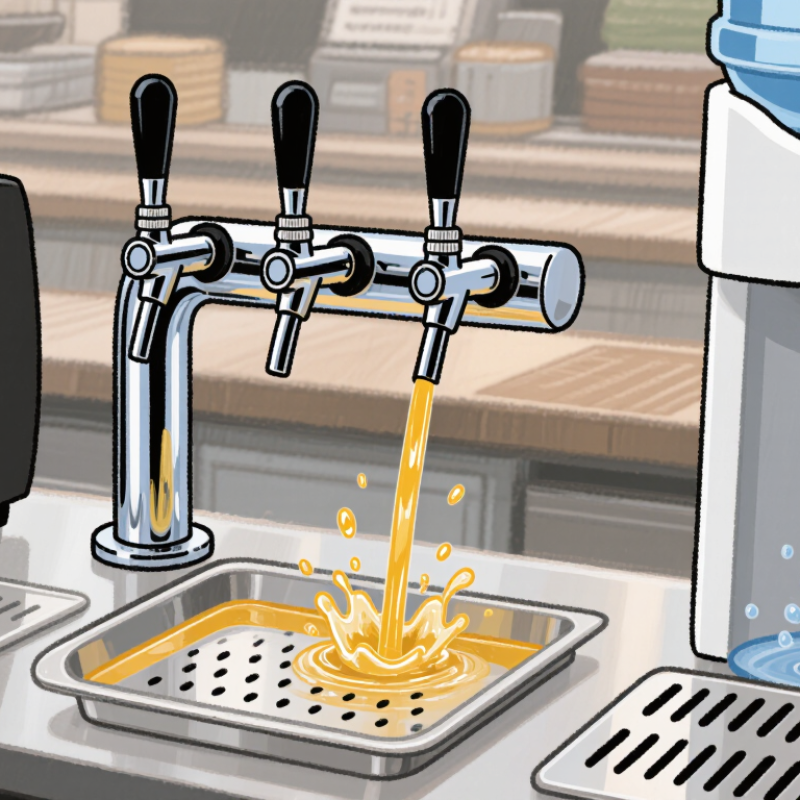
A drip tray looks simple: a shallow grate beneath a beer tap, espresso machine, water dispenser, or production outlet. Its job is to catch drips, splashes, and small spills before they reach counters or floors. That modest barrier can reduce sticky work surfaces and slippery patches. It also gives staff a clear place to spot leaks. Small detail. Real impact.
The National Restaurant Association’s 2024 State of the Restaurant Industry projected U.S. restaurant and foodservice sales at $1.1 trillion. That figure describes a vast service sector, not drip-tray performance. Still, it highlights why everyday equipment and cleaning routines matter across busy operations. A tray cannot prevent every spill, and it does not replace sanitation. It needs regular emptying, washing, and inspection, especially when residue collects around the grate or drain.
The Brewers Association’s Draught Beer Quality Manual provides operational guidance for maintaining clean beverage-dispensing systems. A drip tray supports that work by containing runoff near the tap, but clean lines and faucets remain essential. Design also matters: removable trays simplify cleaning, while drain connections can help manage frequent use. The right choice depends on the equipment, volume, and available cleaning routine. This guide explains what a drip tray is used for, where it helps, and what it cannot do. One point deserves a second look: a tray may hide a recurring leak if staff only empty it.
What a Drip Tray Is and How It Works
A drip tray is a shallow basin positioned beneath a machine’s outlet. It catches drops, splashes, and small overflows before they reach a counter or floor. A raised grate supports the cup while liquid passes through openings into the basin. Simple. The tray may be removable for emptying, or connected to a drain in larger equipment.
In a coffee machine or beverage dispenser, gravity does most of the work: liquid falls through the grate and collects below. The tray’s capacity varies, so a small countertop model may need frequent emptying during busy use. The National Coffee Association’s 2024 National Coffee Data Trends report found that 67% of U.S. adults drank coffee daily. That figure does not measure spills, but it shows why a modest catch basin gets regular use.
A tray only works well when it stays level, unobstructed, and clean. Grounds, syrup, or standing water can block drainage and create odors. Easy to overlook. I have seen people assume a grate means the basin cannot overflow; it can. Check the fill level, lift out the tray carefully, and wash it according to the equipment maker’s care instructions. A cracked tray may also leak, even when the basin looks empty.
What Is a Drip Tray Used For? — What a Drip Tray Is and How It Works
| Use or Setting | What the Tray Catches | How It Works | Care and Practical Notes |
|---|---|---|---|
| Coffee and beverage equipment | Small spills, drips, and liquid from a removable drip area | A shallow, usually removable tray sits beneath the dispensing area and collects liquid before it reaches the counter. | Empty and wash it regularly. A tray may fill quickly during frequent use and is not a substitute for fixing a leak. |
| Refrigerators and air-conditioning equipment | Condensate or water produced during normal operation, where the appliance design directs it to a tray | The tray receives water routed from a drain or collection point. Some systems allow the water to evaporate; others require drainage or periodic emptying. | Follow the appliance instructions. Standing water, overflow, or repeated pooling can indicate a blocked drain or another fault. |
| Potted plants | Water draining through the pot’s drainage holes | A saucer or tray beneath the pot catches runoff and helps protect the surface below. | Remove excess water after watering when appropriate for the plant; prolonged standing water can harm some plants. |
| Vehicles and machinery | Small amounts of oil, coolant, water, or other fluid that may drip from equipment | A pan placed beneath the equipment provides a contained collection area for drips during inspection, maintenance, or storage. | Choose a tray compatible with the liquid and large enough for the task. Dispose of collected fluids according to local requirements. |
| General purpose and indoor use | Incidental drips or runoff from items placed above the tray | Raised edges help keep collected liquid within the tray, while the base directs it toward the lowest area. | A drip tray is a secondary containment aid, not a guarantee against spills. Check it for cracks, corrosion, and overflow. |
Related Posts
-
How to Choose the Right Drip Tray for Your Business
-

Top 10 Reasons Why Custom Foam Packaging is Essential for Your Product Safety and Presentation
-

7 Best Ways Plastic Stackable Bins Can Transform Your Storage Solutions
-

Ultimate Guide to Choosing the Best Totes with Lids for Your Storage Needs
-
10 Best Plastic Trays for Every Home and Kitchen Needs?
-

How to Choose the Best Large Plastic Tray for Your Business Needs